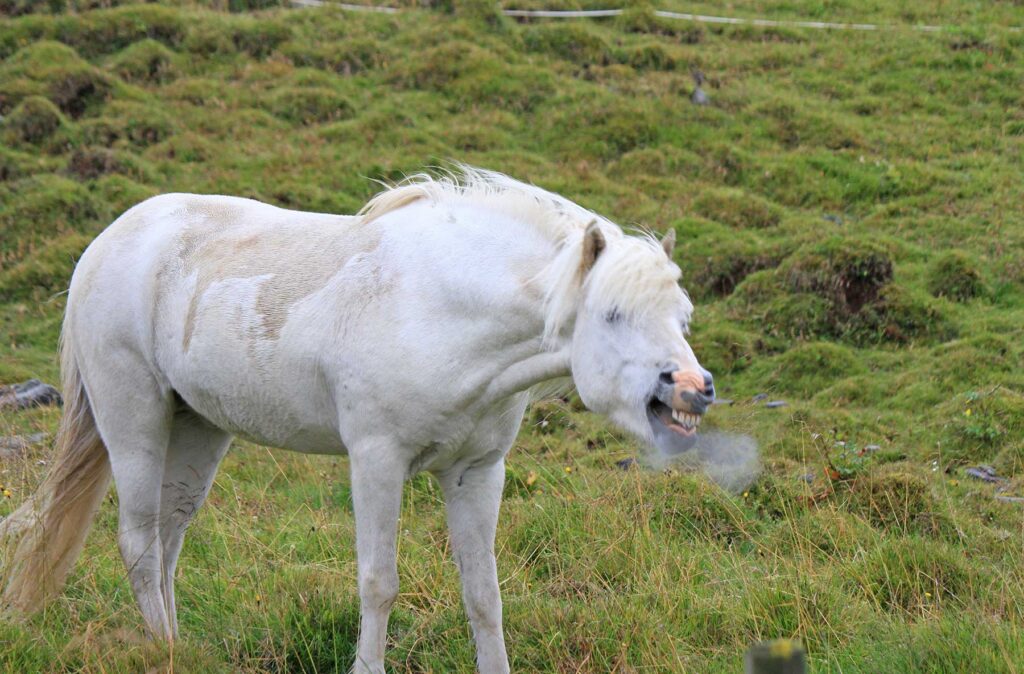
Signs of Respiratory Disease in Horses
Nasal discharge, coughing, and changes in breathing rate or effort can point to equine respiratory disease. Learn how to spot early warning signs.

Nasal discharge, coughing, and changes in breathing rate or effort can point to equine respiratory disease. Learn how to spot early warning signs.

Good barn ventilation means air exchange, not just airflow. Open, airy stalls and well-timed chores help reduce dust and improve air quality.
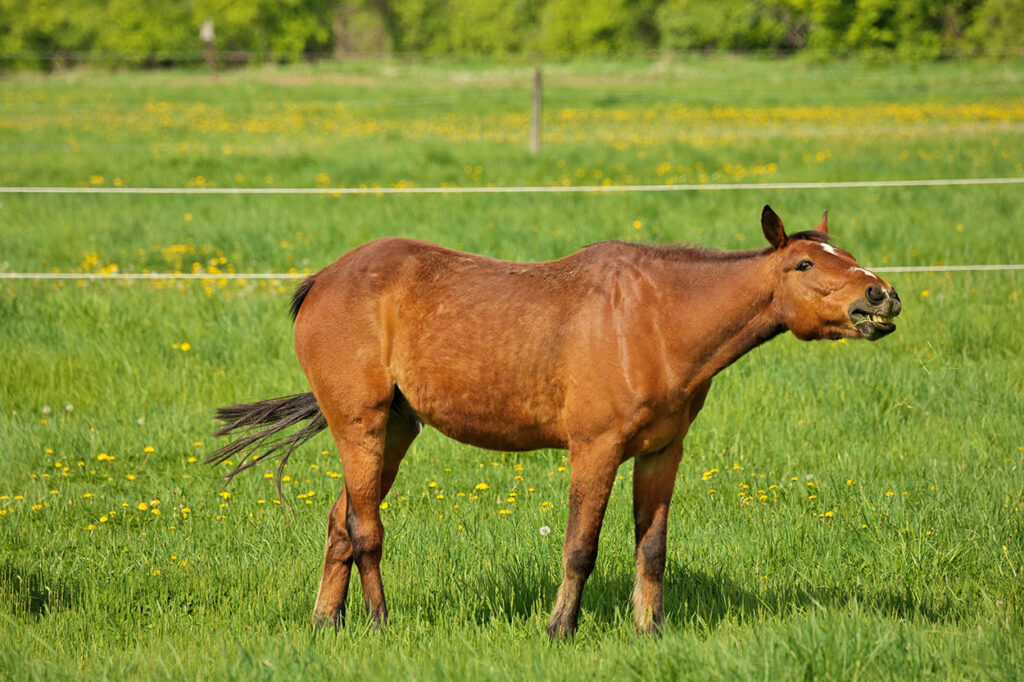
Vaccination, biosecurity, and sound barn management practices reduce the risk of equine respiratory disease and support faster recovery.

Biosecurity measures remain a critical component to combating ‘strep throat for horses.’

Antimicrobial-resistant infections continue to challenge veterinarians and compromise horse health. Here’s what practitioners are doing to curb it and how you can help.

Infectious diseases such as equine herpesvirus can be spread via exposed horses and on equipment. Here are the best ways to avoid this and keep your horses healthy.

Horse shows and events can act as petri dishes for infectious agents. Learn about the common pathogens horses encounter and how to protect your horse from them.
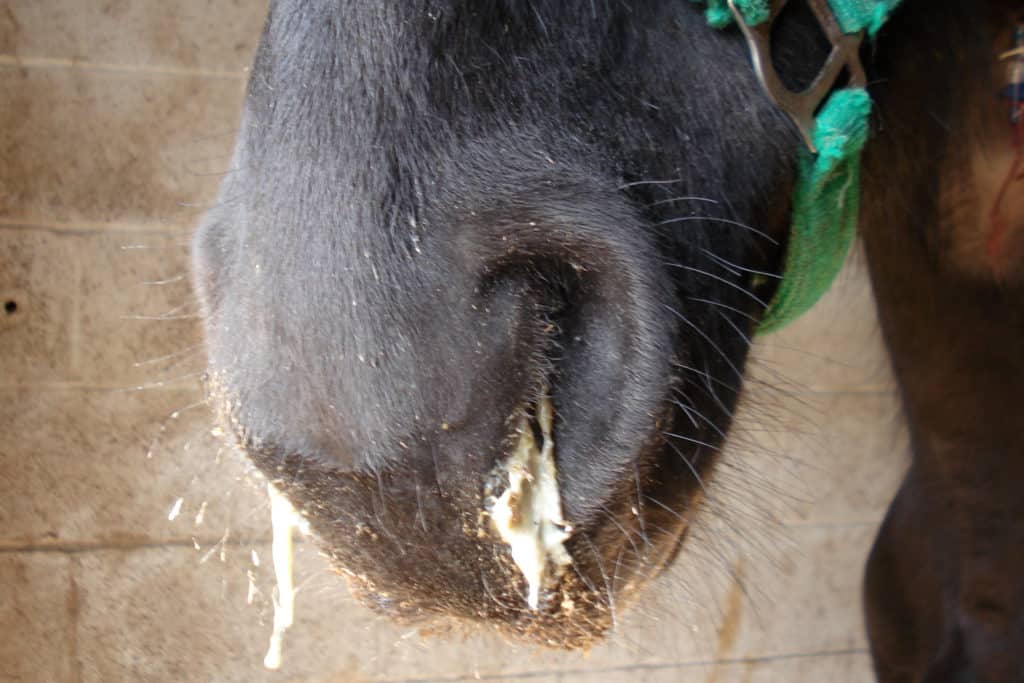
Here’s how to handle a strangles outbreak in your barn and prevent the disease in the future.

Regular, strategic vaccination is a safe, effective method to greatly minimize the chances of deadly diseases impacting your herd.
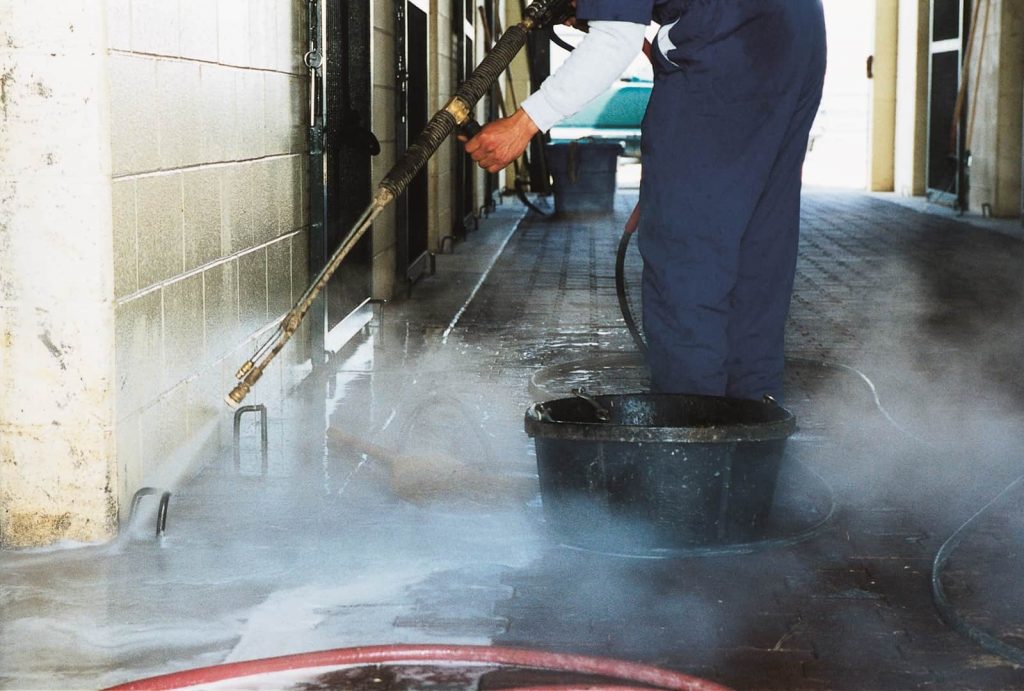
Taking these steps can help rid your barn of the strangles-causing pathogen.

Determining exactly which vaccines a horse needs can be confusing. Here are some basic do’s and don’ts to make sure you’re providing the disease protection your horse needs.

This common and highly contagious respiratory disease affects horses worldwide.

Regular, strategic vaccination is a safe, effective method to greatly minimize the chances of deadly diseases impacting your herd.

In horses, guttural pouches can be the source of various bacterial and fungal infections. A veterinarian explains how empyema, chondroids, mycosis, and other conditions can afflict these structures.

The funding will help veterinary scientists improve these large animals’ well-being by preventing and treating health challenges such as equine herpesvirus, strangles, and fungal infection.