Using Gram Stains to Guide Endometritis Treatment in Broodmares
Combining Gram staining and cytology gives veterinarians faster insight into uterine infections and helps reduce unnecessary antibiotic use.

Combining Gram staining and cytology gives veterinarians faster insight into uterine infections and helps reduce unnecessary antibiotic use.
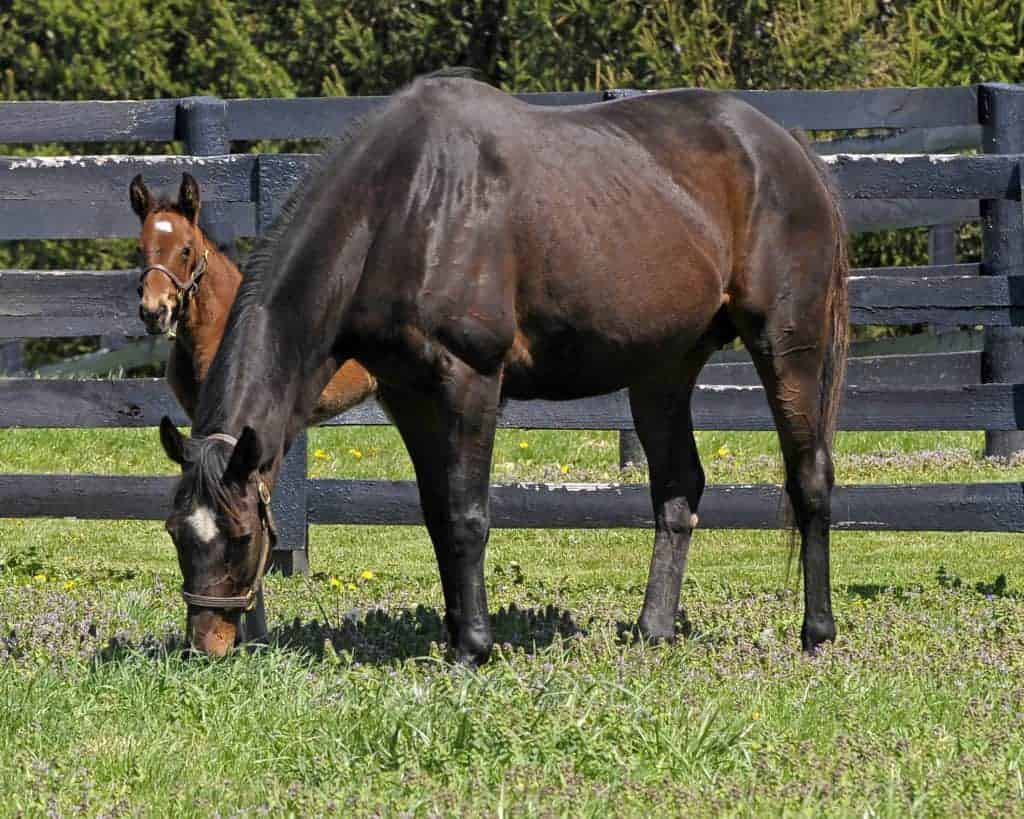
Learn how two experts treat endometritis—an inflammation of the uterine lining and the leading cause of infertility in broodmares—in this Ask TheHorse Live excerpt.

Dr. Jena Ward describes how veterinarians determine if a mare is fit for breeding.

Dr. Carleigh Fedorka explains why veterinarians might have trouble getting a mare pregnant.

Learn how veterinarians diagnose, treat, and manage mare reproductive problems in this Ask TheHorse podcast episode. Sponsored by Equithrive.
Reserve antibiotics in equine reproduction for proven infections, not routine use. Vets should utilize alternative treatments to reduce AMR risk when possible.

Learn about new applications for biologic therapies to treat horses’ infertility, wounds, ligament injuries, and eye issues.

Are you thinking about breeding an older mare? There are steps—some simple, some cutting-edge—breeders can take to obtain foals from mares with waning fertility.

Research shows platelet-rich plasma and stem cell therapy can help treat post-breeding inflammation in mares.

One veterinarian calls for cultures, cytology, and antibiotics when indicated.

Most mares get pregnant without major problems, but some encounter difficulties along the way. Here’s how to work with your veterinarian to resolve the most common issues.

Serious complications are uncommon in equine pregnancies, but when they occur the consequences can be devastating. Here are 6 high-risk scenarios to watch for.
Researchers found that this selective NSAID reduces uterine inflammation while protecting follicular and gastrointestinal function in mares with persistent mating-induced endometritis.
Dr. Regina Turner shares the results of studies on antimicrobial options for metritis, treating blocked oviducts, estrus lengths and pregnancy rates, colic surgery in broodmares, and more.
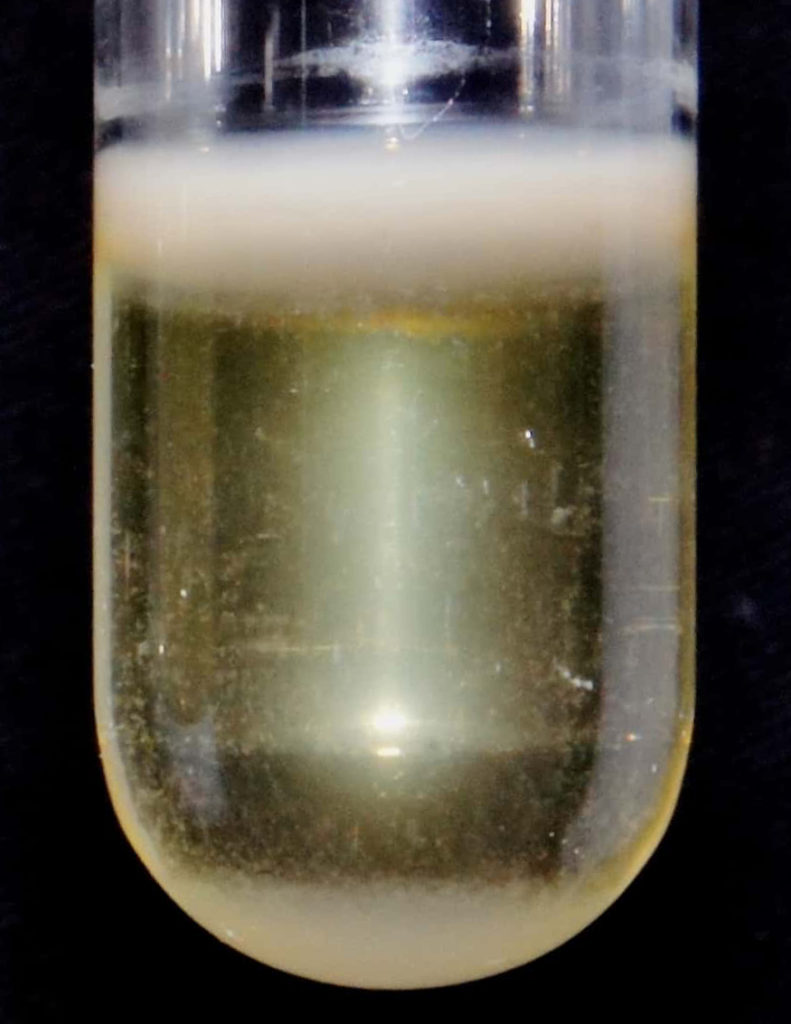
One veterinarian has confirmed that a combination of drugs can disrupt biofilms in mares with endometritis, potentially making the uterus a happier place for embryo attachment and pregnancy.
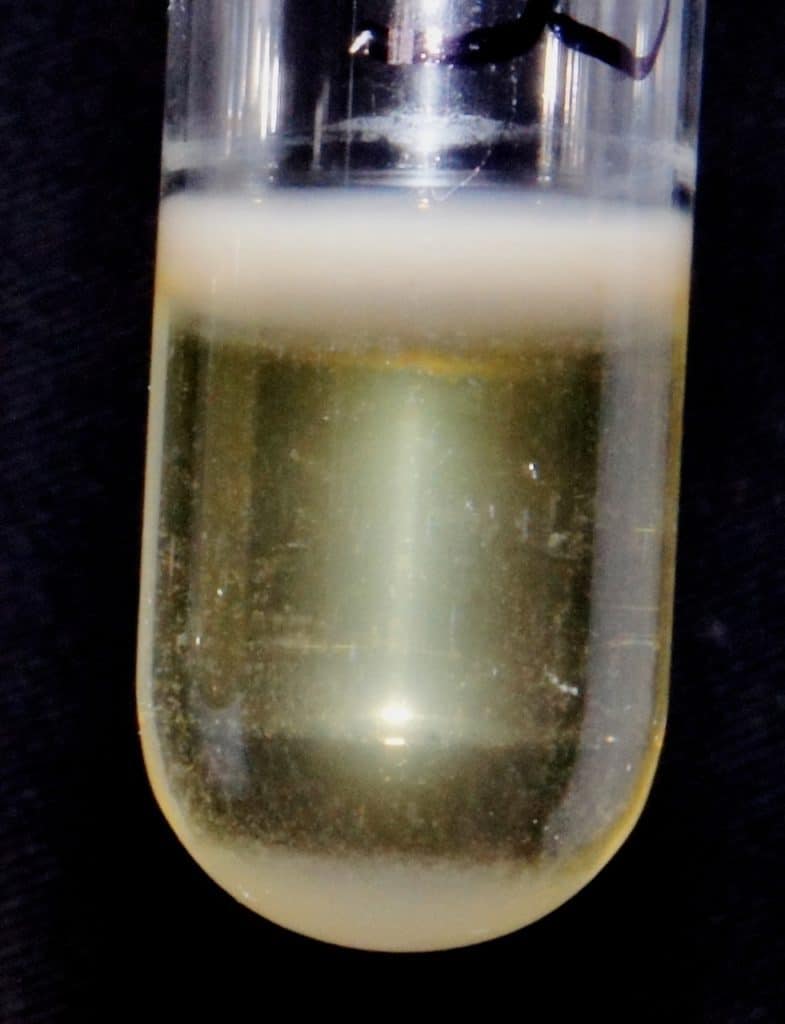
Bacterial endometritis that is refractory to traditional antimicrobial treatment is a significant challenge to the equine breeding industry. Fortunately, several therapeutic options are currently available to clinicians for the treatment of biofilm-associated endometritis in horses.