Diagnosing Respiratory Infection
Could your horse have a respiratory disease? Here’s how your vet will find out.

Could your horse have a respiratory disease? Here’s how your vet will find out.
The products available to control ammonia buildup in barns boast a variety of forms and ingredients.
The recording of our Ask the Vet LIVE Q&A event on Avoiding Respiratory Problems in the Barn is now online!

A number of air quality factors in barns can make it harder for your horse to breathe, compromising his health and performance.
Tune in on September 1 for an Ask the Vet LIVE online Q&A about Avoiding Respiratory Problems in the Barn.

Mapping airborne particles in horse barns could help minimize the risk and/or prevalence of airway disease.
Most equestrians know firsthand the dangers that accompany their passion for horses: bumps and bruises
Researchers have made strides in understanding airway diseases and what helps (or does not help) control them.
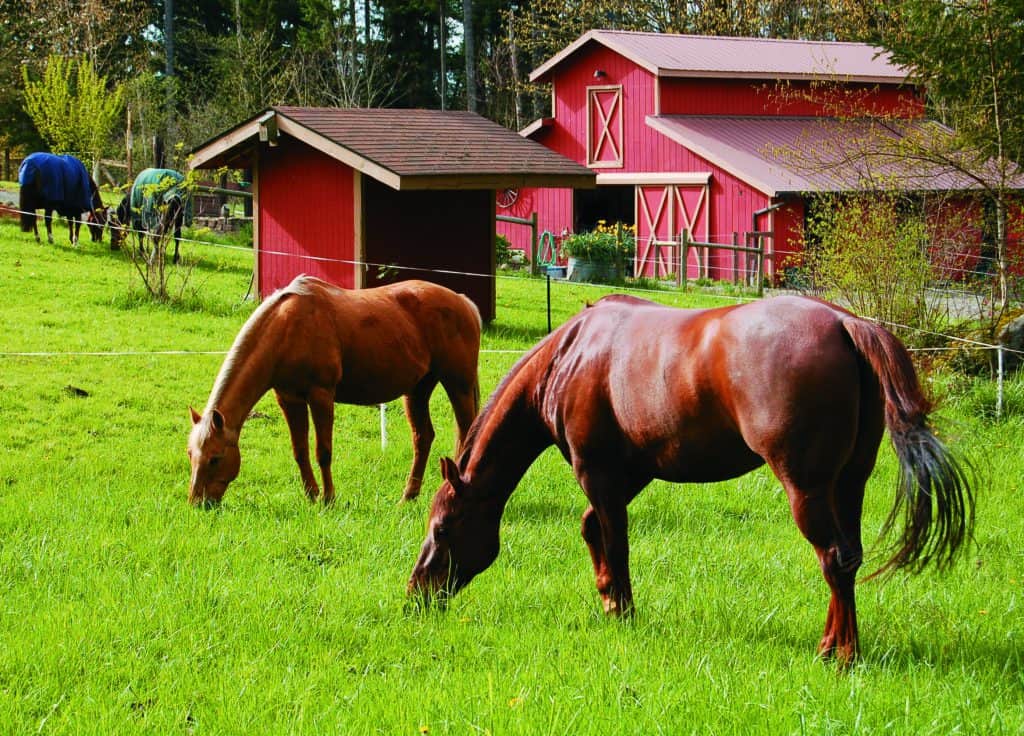
What environmentally friendly management practices might work for you and your farm?
While it may seem a little early to be thinking about dust, mud in the winter becomes dust in the summer. If you had muddy
Lasko Products Inc., manufacturer of home appliances such as fans and heaters, is recalling approximately 4.8 million box fans (similar to those frequently used in barns by horse owners) after an electrical problem in the fan’s motor has caused some
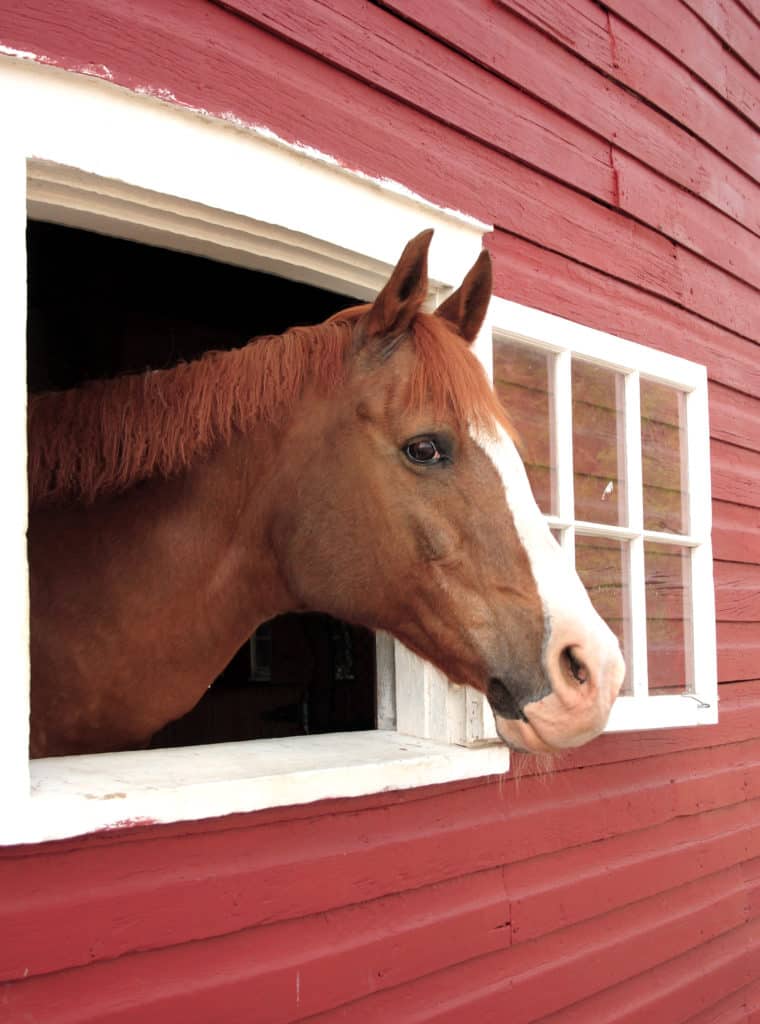
What hidden dangers lurk in your barn? Learn how to maximize air quality and improve safety in the stable.
Researchers have shown that significant amounts of mucus in a racehorse’s airway can negatively affect his performance, and they’ve theorized that dust in the horse’s environment contributes to that mucus. Therefore, the logical nex
The estimated 4.6 million Americans involved in the equine industry might be at risk of developing respiratory symptoms due to poor air quality in horse barns, according to a questionnaire study undertaken earlier this year by investigators at Tufts University’s Cummings School of Veterinary Medicine.
In addition to the risks viruses and bacteria pose to the horse, environmental exposure to particulates dispersed from feed, bedding, footing materials, and other sources (such as diesel exhaust) all can lead to IAD. Even small increases in aerodynam
All horse owners wish they had more time with their horses. For those who keep horses at home it is always a struggle to keep up with regular farm and barn maintenance and have enough time left to enjoy the horses. Performing proper building