Heat Advisory for Horses
Veterinarians from UC Davis offer 10 important tips to prevent heat-related problems in horses.

Veterinarians from UC Davis offer 10 important tips to prevent heat-related problems in horses.

Find out how to prevent equine upper respiratory tract infections from spreading throughout your barn.

Is your horse’s annual wellness exam comprehensive? Learn about common wellness steps and how your veterinarian can help you address and correct problems you might encounter.

Learn about your horse’s health, behavior, and personality as you acclimate him to a new home, diet, and herd.
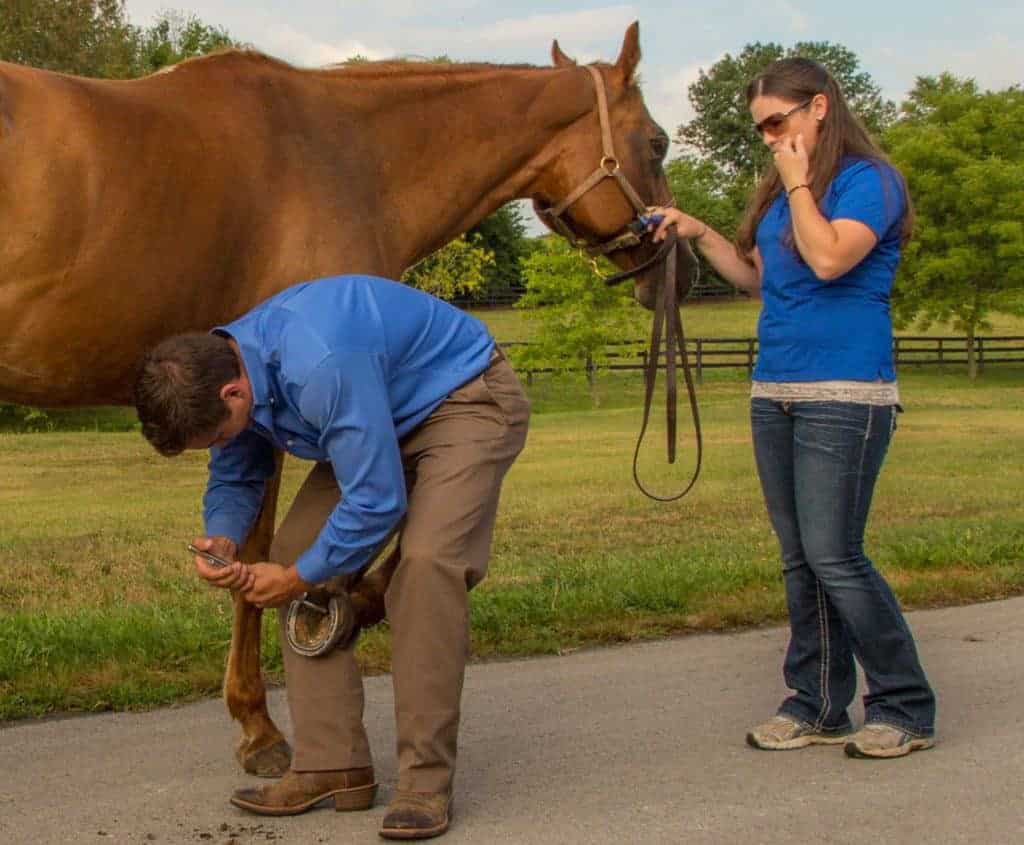
Find out what hoof problems you can safely manage yourself and when to call in your farrier and/or veterinarian.

Being prepared for an equine emergency can help make the situation less stressful and result in a more positive outcome.

Find out what items should be in your horse’s first-aid kit, what they’re used for, and how to store them.

Here’s what you need to know about holistic veterinary medicine and how vets can integrate it into everyday practice.

We asked two mobile equine veterinarians how clients can prepare both themselves and their horses for veterinary visits. Here are 10 ways you can help your vet maximize time, cut costs, and ensure you get the service you want—and, perhaps, go the extra mile when you need it most.

The FDA recently approved dipyrone to address fever in horses with respiratory infections.

Arrival exams will include an assessment of body condition score and vital signs, examination for lameness at the walk, and a scan for a microchip.

Find out how to keep your middle-aged horse’s teeth, feet, joints, and more healthy.

Discover useful information about an eventing horse’s fitness and ability by looking at these three measurements.

French researchers tested a quicker, easier, and potentially more accurate method of monitoring horses’ temperatures.

Only about 50% of horses complete the 100-mile endurance race; the rest must be brought safely back to civilization.

An SAA test can identify illness in horses, and it can also ensure they’re healthy enough for other procedures, such as surgery. Here’s a look into how some vets use SAA in their practices.