Ridden Horse Pain Ethogram for Assessing Lameness, Saddle Fit
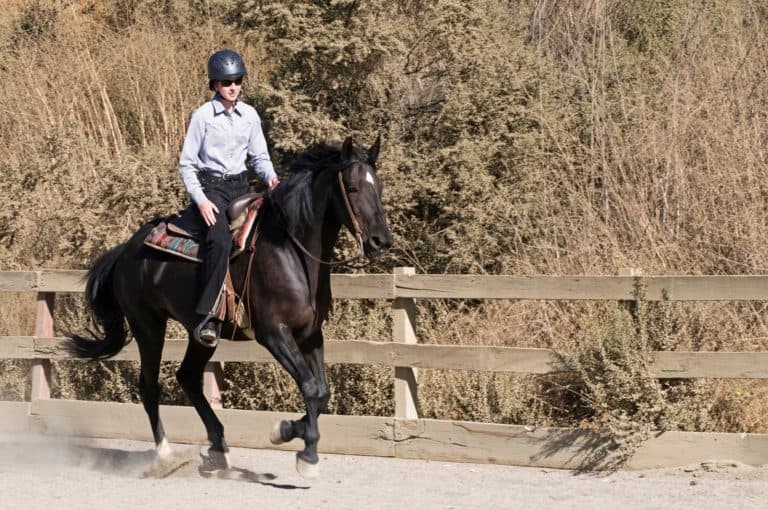
The RHpE can be used to help detect musculoskeletal pain in horses caused by limb lameness and poor saddle fit.

The RHpE can be used to help detect musculoskeletal pain in horses caused by limb lameness and poor saddle fit.

These therapies can be beneficial in treating pathologies of the cartilage and synovium in horse joints.

Tying-up is a painful muscle condition in horses. An equine nutritionist offers advice on how to balance your horse’s diet to decrease the likelihood of an episode.

How can you best support your competitive show horse? Start with what fuels the fire. Sponsored by Vitalize.
Find out how your horse can hurt his neck, risks for injury and disease, and associated therapies, so you can give your horse the best chance for a strong neck and an athletic future.
Orthobiologics are emerging tools in veterinary medicine that use the body’s natural defense mechanisms to treat a variety of musculoskeletal problems.
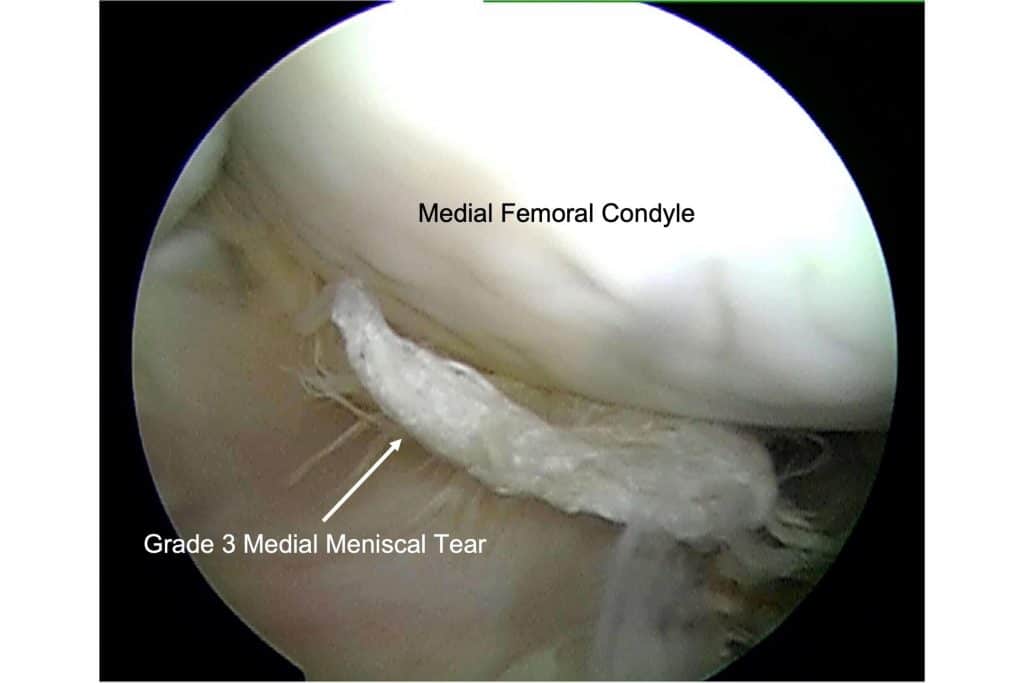
Equine meniscal injuries can cause severe pain and lameness, but if diagnosed and treated properly many horses can return to work.

While prohibited in competition horses, this anabolic steroid might help vets manage joint disease such as osteochondrosis lesions in young horses.

Conventional and easy-to-use joint therapies such as corticosteroids and hyaluronic acid continue to have their place in equine practice.

Veterinarians might consider addressing axial skeleton adaptations when rehabbing horses with limb injuries.

A veterinarian describes some subtle signs to watch for that might point toward your horse having joint discomfort.

Find out how to keep your horse’s joints feeling and moving their best in our podcast. Sponsored by Boehringer Ingelheim.

Find out how to get athletic horses with injuries to the large, complex stifle joint on the road to recovery.

Controlled exercise, as discussed with your veterinarian, can be part of a successful rehabilitation program.

Researchers are redefining the muscular diseases long called “tying-up.” While they seem similar, the causes are different, and each requires specific management.

Reduce sporadic episodes of exertional rhabdomyolysis by providing plenty of forage and meeting these unique equine athletes’ nutrient requirements.