Managing ‘Broken’ Horses in Emergency Situations
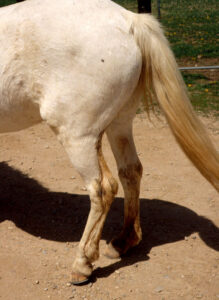
Sedation and bandaging can help buy time for a thorough exam and to make a thoughtful decision about the horse’s future.

Sedation and bandaging can help buy time for a thorough exam and to make a thoughtful decision about the horse’s future.

Researchers confirmed that footing properties could impact dressage horses’ risk for suspensory ligament injury.

Scientists are highlighting early 20th century studies and Japanese researchers who were well ahead of their time.

The fatal injury rate in Thoroughbred racehorses declined for a fourth consecutive year and has dropped 23% since 2009.


PET scans revealed lesions in bony and soft tissue, some of which weren’t visible on other imaging modalities.
Panelists discussed the potential impact on equine trade, identification, biosecurity, competition travel, and more.
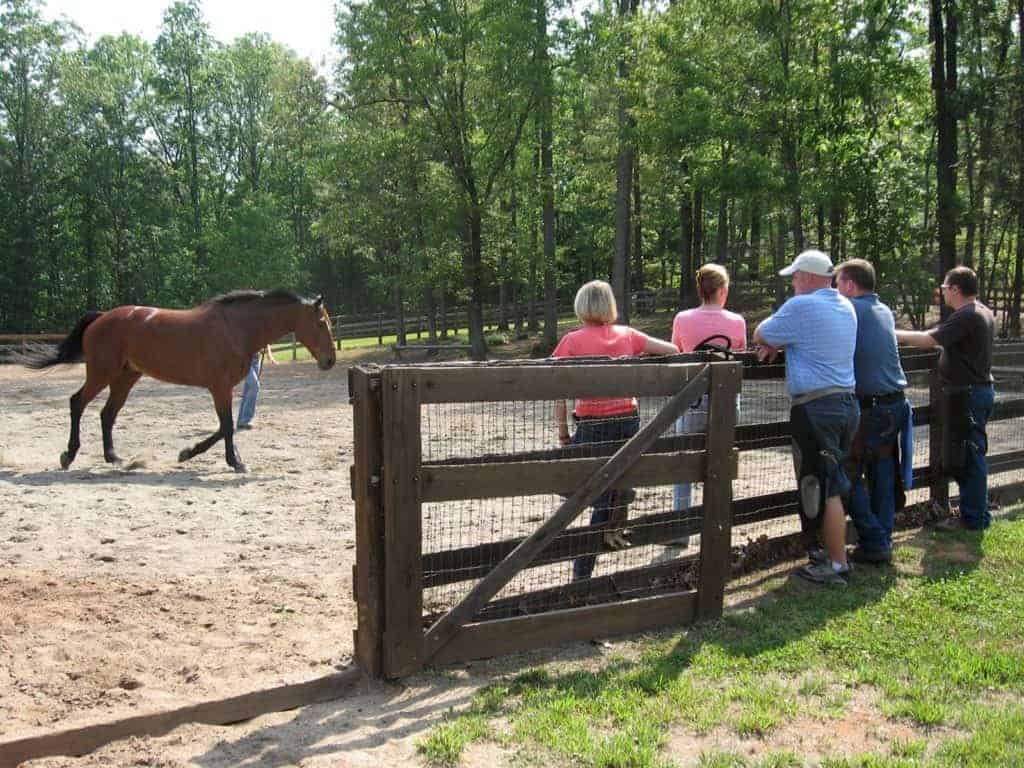
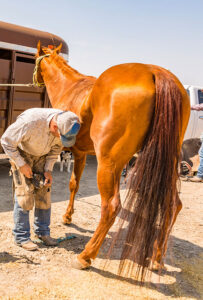
Farriers need to observe a horse thoroughly, head to tail, to determine how to best trim and shoe him.

What kind of diet should a horse with HYPP consume to help keep clinical signs at bay?

Early diagnosis could allow vets to implement management strategies, such as restricted exercise, that promote healing.
Loos is studying muscle protein metabolism and how factors like exercise, diet, and disease impact muscle development.

Tailored rehab plans and frequent veterinary checks are just two pieces of the rehabilitation puzzle.

Anti-nerve growth factor has been shown to have significant pain-relieving effects in other species.

Of the 665 respondents, 220 (33%) said their horses receive chiropractic care on a routine basis.

The gene appears to affect horses’ muscular ability to carry out specific gaits, such as the tolt in Icelandics.

Many navicular horses have benefited from bisphosphonate treatment, but some questions remain about these medications.