UK Graduate Student Spotlight: Parvathy Thampi
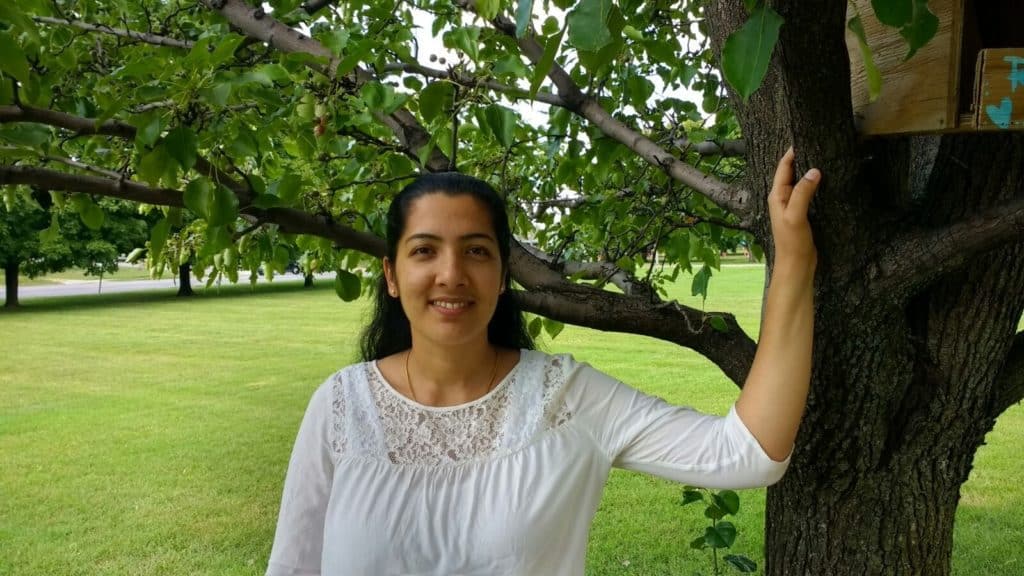
Parvathy Thampi is investigating the mechanisms that limit joint cartilage’s ability to repair.

Parvathy Thampi is investigating the mechanisms that limit joint cartilage’s ability to repair.
Topics will include the horse’s upper airways, lameness diagnosis, and preventing injuries in equine athletes.

Findings from a recent study show that 70% of injuries recorded over a 14-year period were minor and not career-ending.

Drs. Liz Arbittier and Jessica Morgan will provide tips to help owners improve their lameness identification skills.
Dr. Kathryn Wulster will use advanced imaging systems, including MRI, CT, and robotics-controlled imaging.

The team tested how much pressure compression and standing wraps exert–and with what consistency–on horses’ legs.

Researchers believe they’re honing in on why these horses are more likely to finish races than those in other countries.
Top take-homes from presentations on regenerative medicine, eye issues, racing performance and injuries, and more.

Researchers stressed the importance of postoperative diet, hygiene, and medications for a successful outcome.

Only enlarged proximal sesamoid bones were identified as being a risk for delaying a 2-year-old’s first start.

The degree of hypertension some study horses developed could possibly result in serious complications, scientists found.

Your veterinarian will decide which NSAID is best for your horse. Always adhere to his or her administration guidelines.

Researchers could not identify a positive relationship between inflammation and obesity or insulin resistance in horses.

Researchers hope to reduce the risk of racehorse fatalities on the track.

Hot topics include digestion, metabolism, soft tissue injuries, and inflamm-aging.
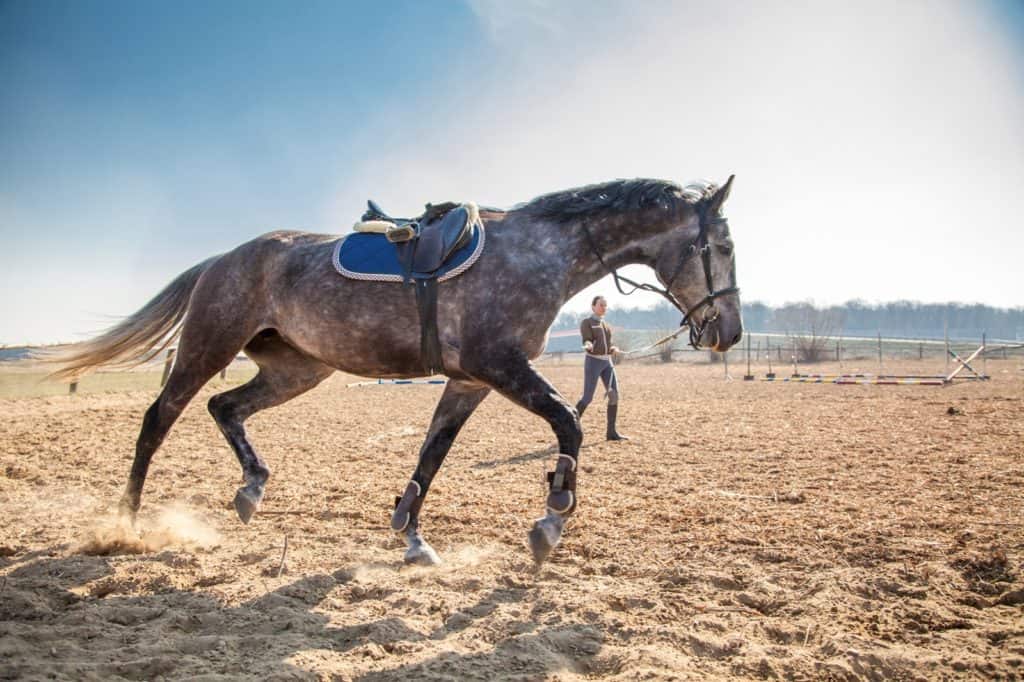
I’m worried about putting too much stress on my 3-year-old’s body. When is it safe to ride her on a regular basis?