2015 AAEP Focus on Poor Performance Meeting Tweets
Highlights and take-homes from the 2015 AAEP Focus on Poor Performance meeting in Lexington, Kentucky.

Highlights and take-homes from the 2015 AAEP Focus on Poor Performance meeting in Lexington, Kentucky.

The Hippolia Foundation unites equine research groups for better progress, improved funding opportunities, and more.
The two veterinarians and one clinical technician are developing sports medicine and rehab services at NC State.

Risk factors for equine nosebleeds appear to include age at first start, running on firm ground, and more.
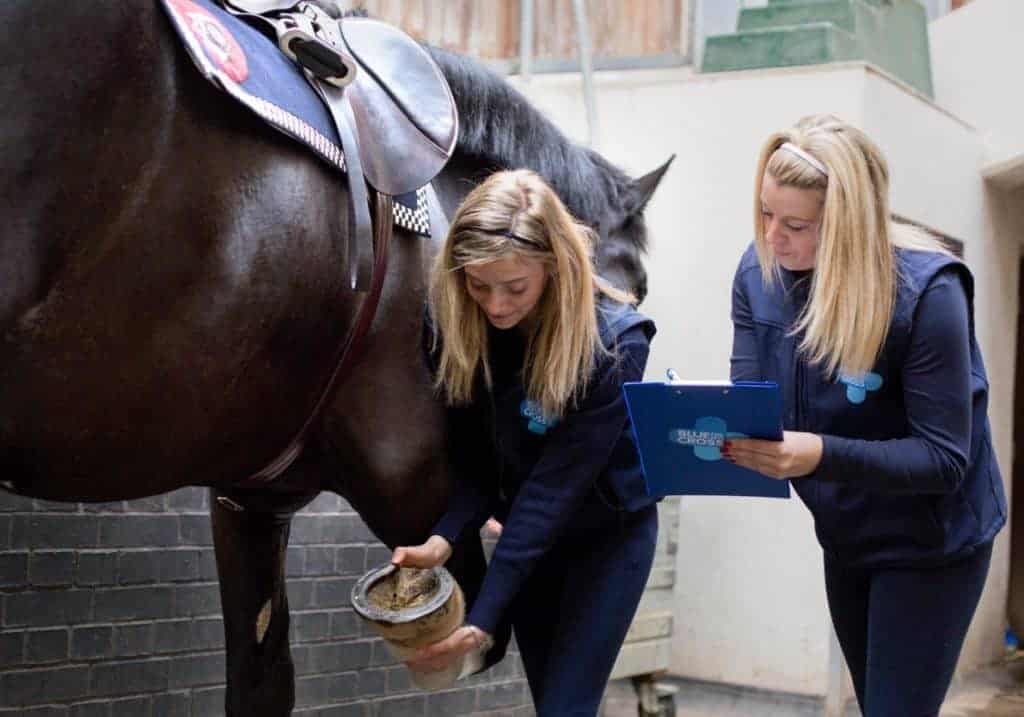
A British survey revealed that lameness is three times more likely to be caused by limb conditions than hoof problems.
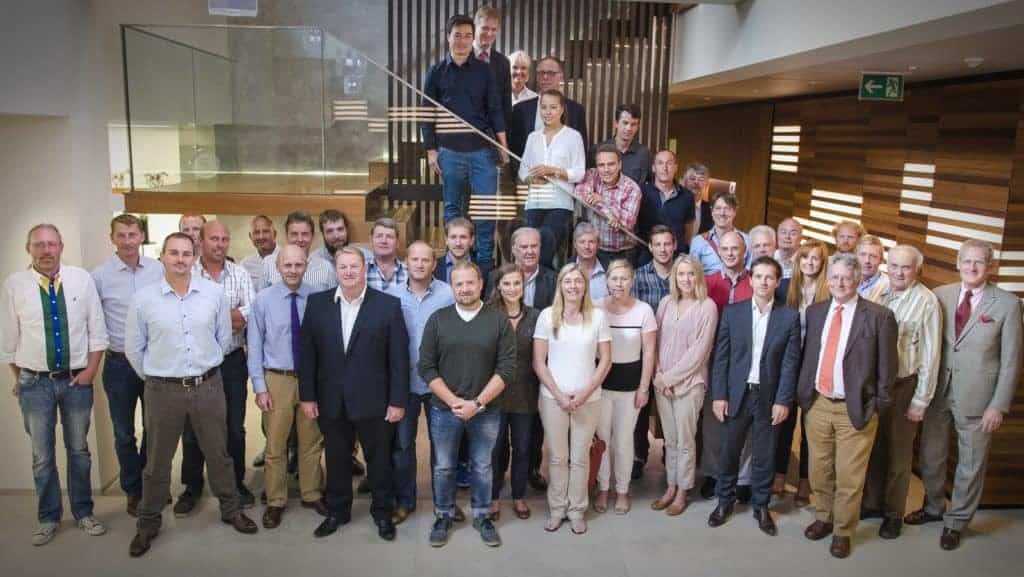
The experts agree that research results could evolve into standards that can help protect horses and riders.

Equine veterinarians confirm motion capture could be useful for objective measurements of ataxia, or incoordination.

Dr. Brian MacNamara has special interests in lameness and the causes of poor performance in the equine athlete.

Horses could be more sustainable athletes if riders condition them better and monitor their health and fitness often.

While Western saddles had uneven pressure distribution, study horses showed no signs of saddle-related discomfort.
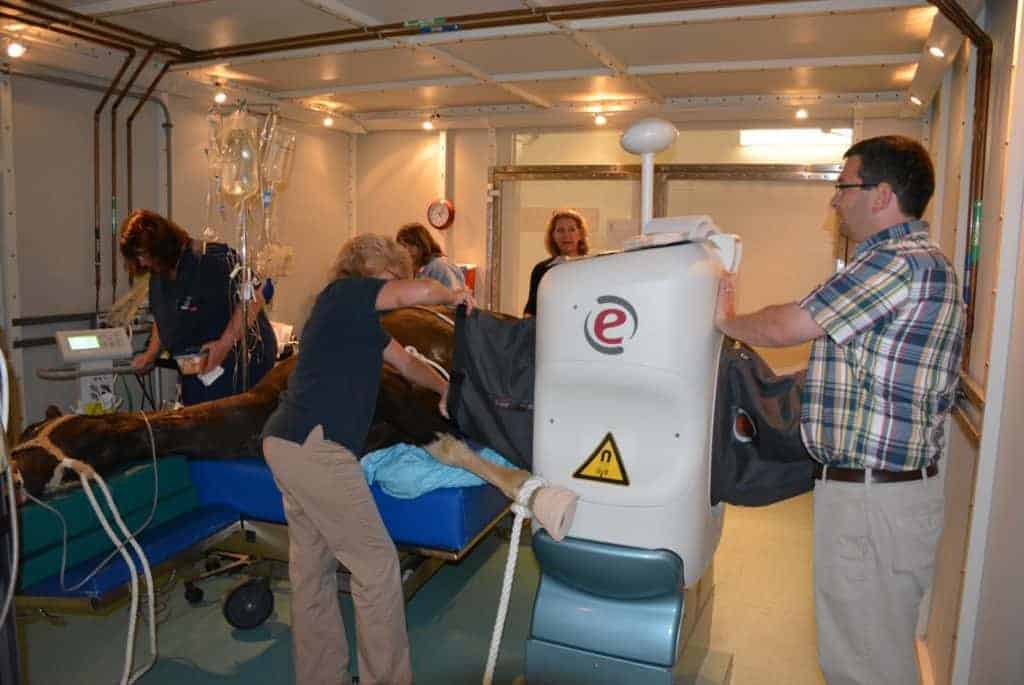
The new MRI replaces a previous system at New Bolton Center, installed in 2005 and used until recently.

Watch for these telltale signs of poor saddle fit in your horse’s body, behavior, and movement.
The symposium featured research on equine nutrition, exercise physiology, reproduction, management, and more.
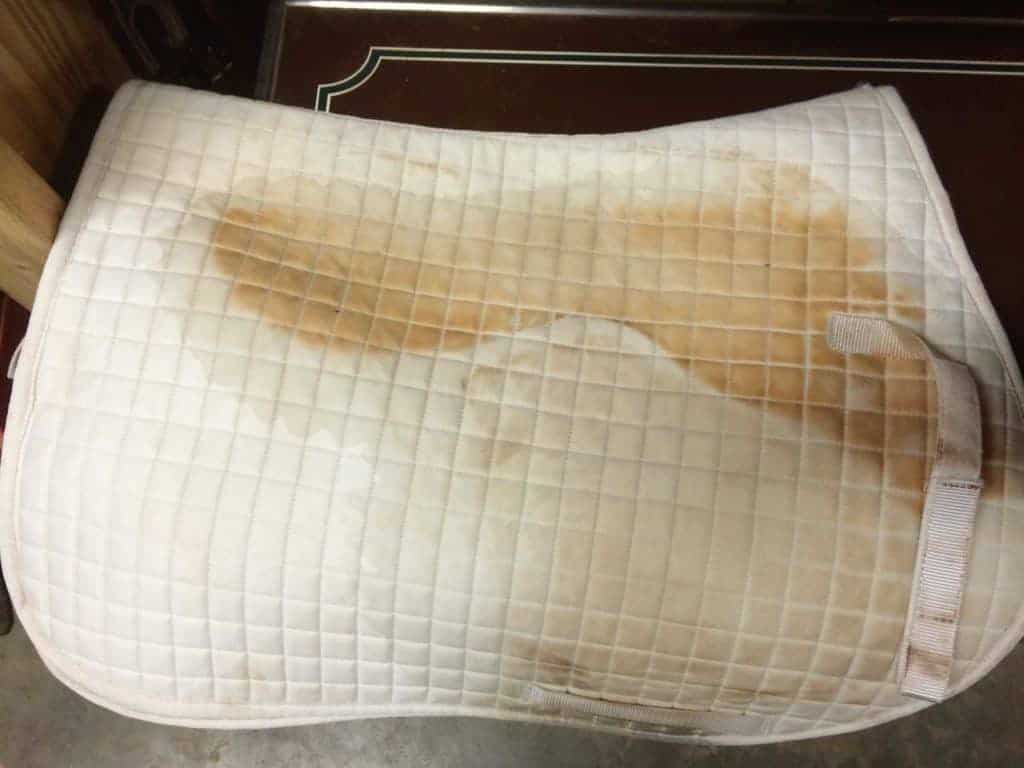
From excessive dirt accumulation to dry spots, here’s what the sweat patterns under your saddle are really telling you.
The racehorse welfare and safety summit also covered racetrack surfaces, continuing education, and more.

The event is designed to help vets assess, diagnose, and treat a range of performance-limiting diseases and conditions.