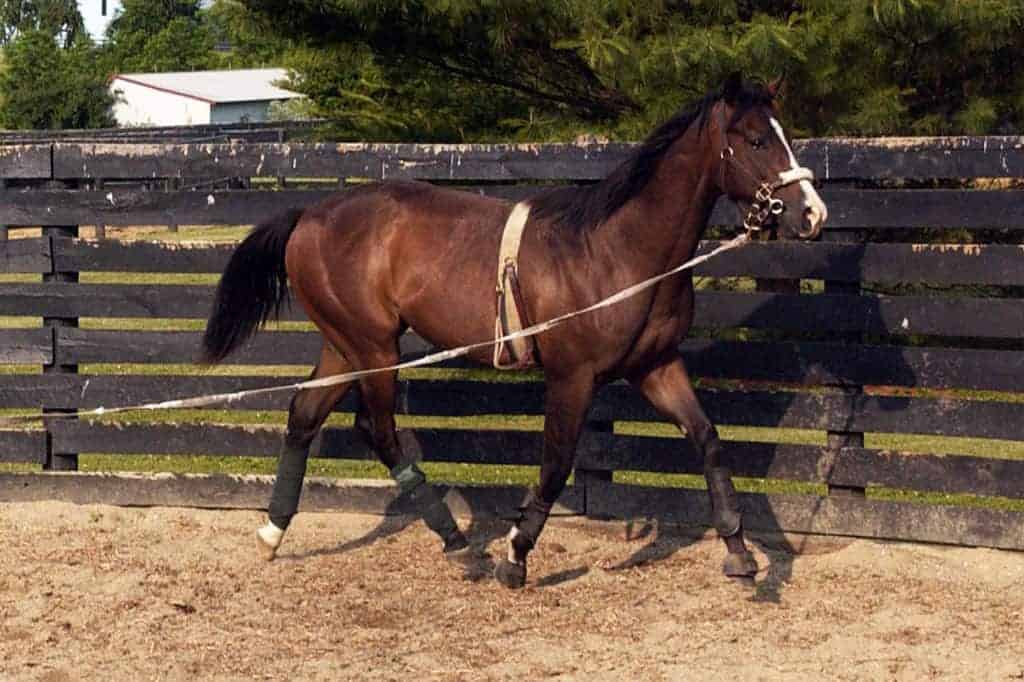
Study Evaluates Exercise During Yearling Sales Preparation
Researchers collected information about health problems experienced by young horses being prepped for sale.

Researchers collected information about health problems experienced by young horses being prepped for sale.
Eighteen cases identified in France, four in Great Britain, and one in New Zealand.

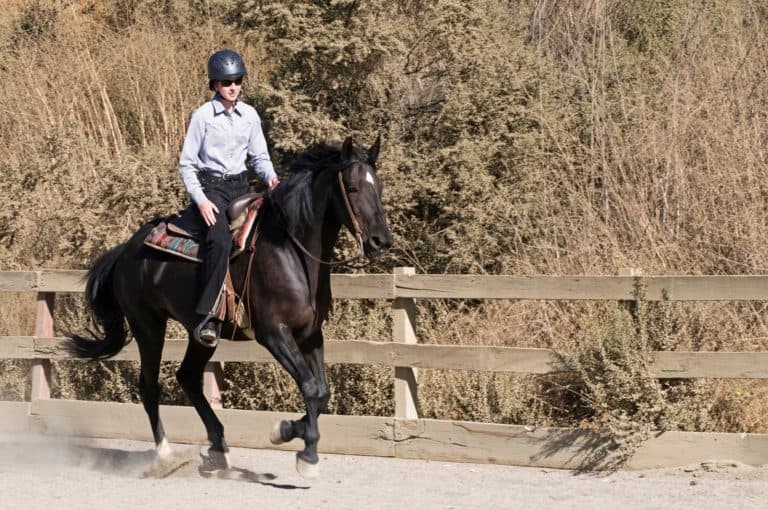
Research indicates that most sound horses’ movements differ depending on direction of travel on a circle.
Researchers have discovered a mutation in the New Forest pony’s DNA that can cause this muscular disease.

Researchers and veterinarians are still working to better understand both the etiology and the disease itself.
The 2012 program kicks off on Feb. 23 with “Managing Angular Limb Deformities in the Young Horse.”
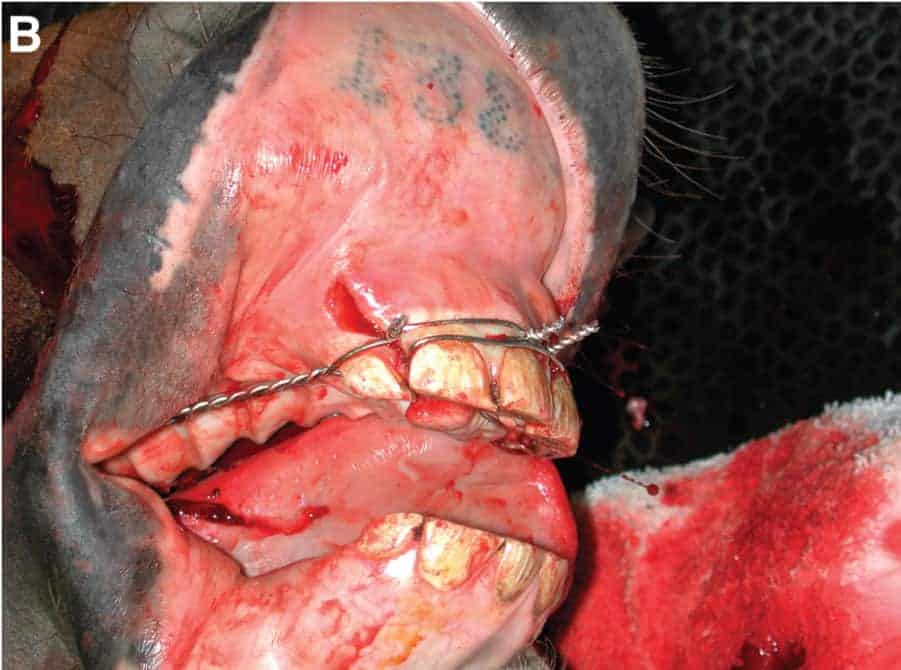
Despite their ghastly appearance most jaw fractures can be repaired relatively easily in a field setting.
A researcher is examining how age-related and geriatric disases affect protein metabolism.
Mixed study results indicate more research is needed to determine dosing frequency and therapeutic window.
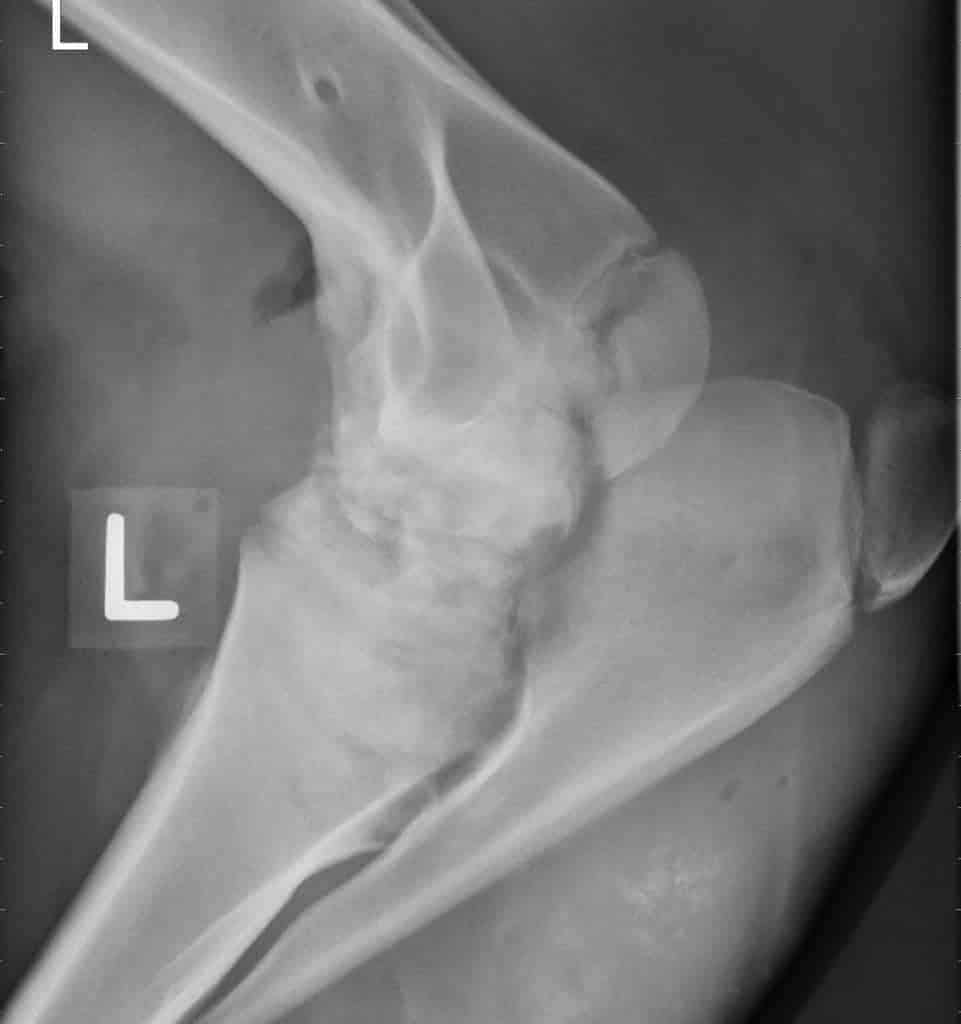
Treatment goals should be to aid in performance without eliminating the joint’s natural response to injury.

Kissing spines are more likely to cause clinical problems in certain breeds, disciplines, and age groups.

Topical anti-inflammatories, hyaluronic acid, and shock wave therapy are among the popular treatment options.

A thorough physical examination and tailored therapeutic approach can help relieve equine neck and back pain.

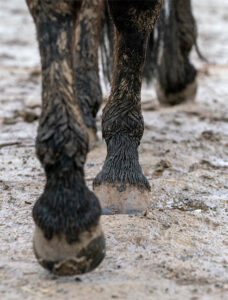
Certain hoof characteristics can be associated with chronic lameness, while others point to a sound horse.
Topics discussed included diagnostic methods, types of back pain, kissing spines, and treatment methods.
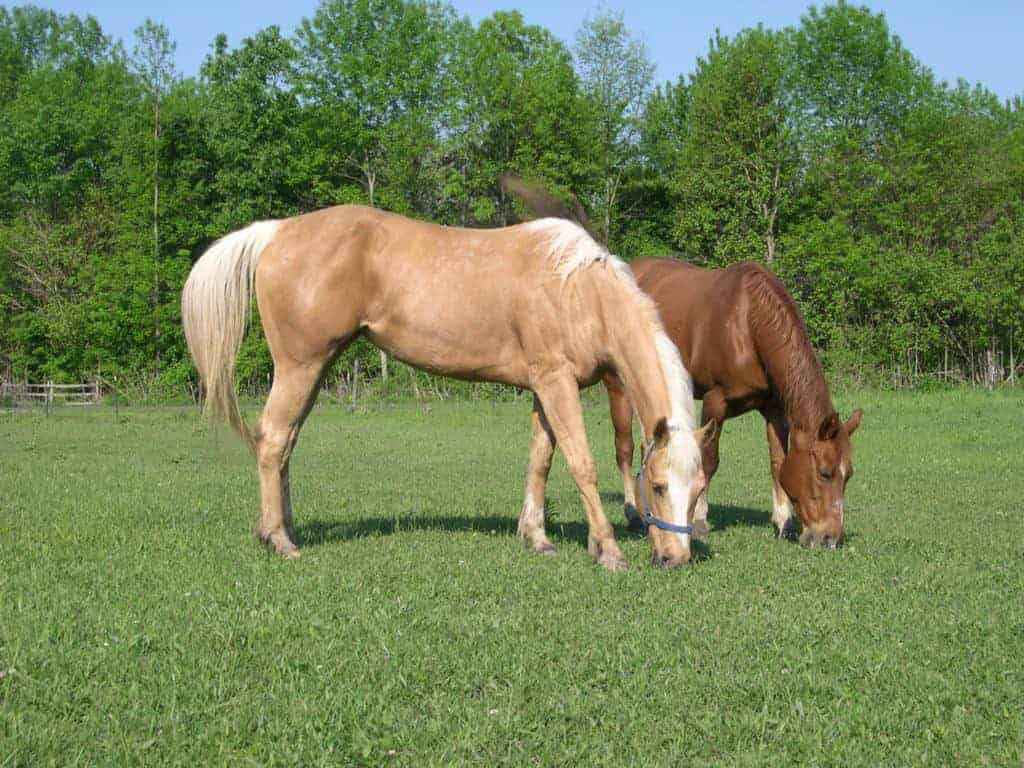
Atypical myopathy–a sudden onset of acute muscle pain and damage–is related to pasture rather than exercise.