Feeding Weanling Horses: Tips to Remember
Weanlings should grow steadily and moderately as rapid weight gain could put them at risk for developmental orthopedic diseases. Three experts share their tips for achieving appropriate growth via nutrition.

Weanlings should grow steadily and moderately as rapid weight gain could put them at risk for developmental orthopedic diseases. Three experts share their tips for achieving appropriate growth via nutrition.

What kind of physical damage can be done when a horse pulls back violently? A sports medicine practitioner weighs in.

Researchers found that, in a pony with nutritional secondary hyperparathyroidism (NSH), which causes bone to deform as it loses calcium, a bisphosphonate combined with a balanced diet seemed to alleviate clinical signs of disease.

Find information on stress in horses, antibiotic use, scratches, conditioning, equine allergies, and more.

When veterinarians applied a compression bandage to the horse’s pastern before administering a palmar digital nerve block, the drugs remained localized to the hoof rather than spreading further up into the leg.

Dr. Stephanie Valberg explains how five major advancements in veterinary technology have helped her and others learn more about and discover new equine muscle disorders.

Researchers have discovered the inner workings of a known “speed gene” in Thoroughbred racehorses, which directly affects skeletal muscle growth and, in turn, race distance aptitude.

Safe and smart groundwork can help build the foundation for a confident, well-behaved horse.

Phosphorus is the second most abundant mineral in the horse’s body; about 80% of it is found in horses’ teeth and skeleton.

In the first of this two-part series, we’ll explore full-body rehabilitation options, from the horse’s head to tail.
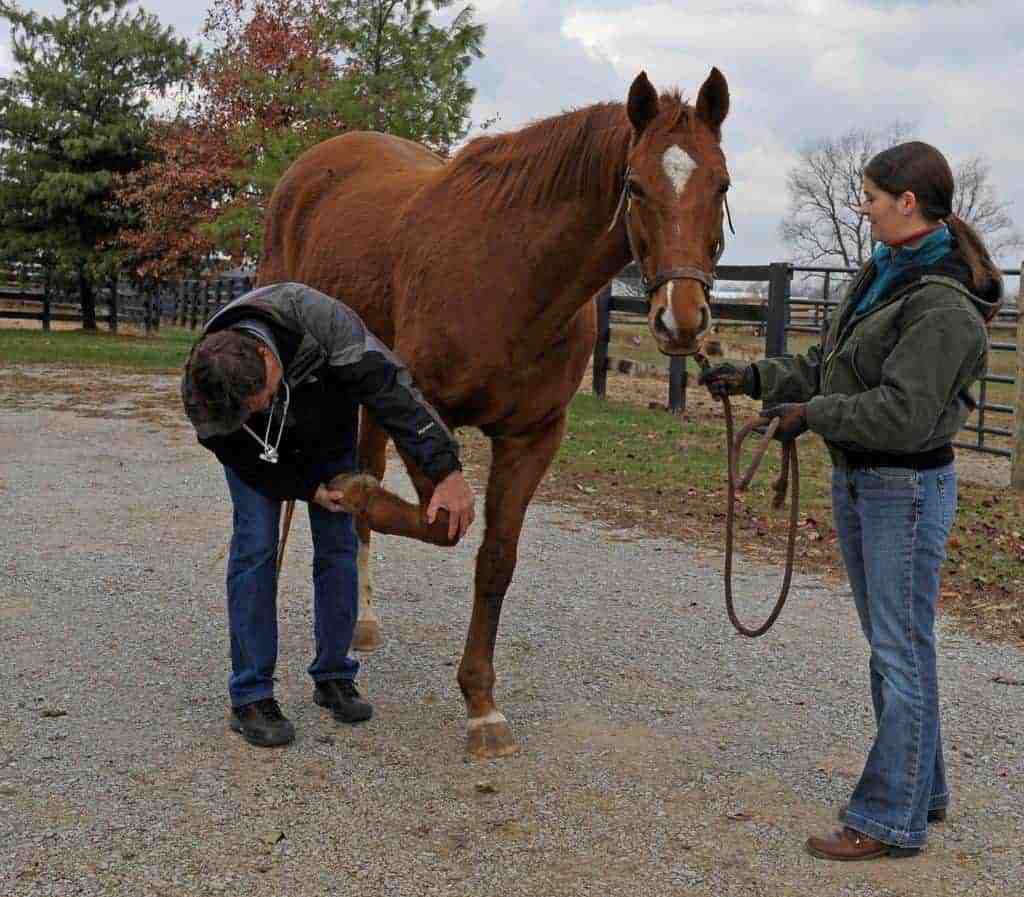
A vet weighs in on what might cause a well-conformed senior mare to become over at the knee and fall during a ride.
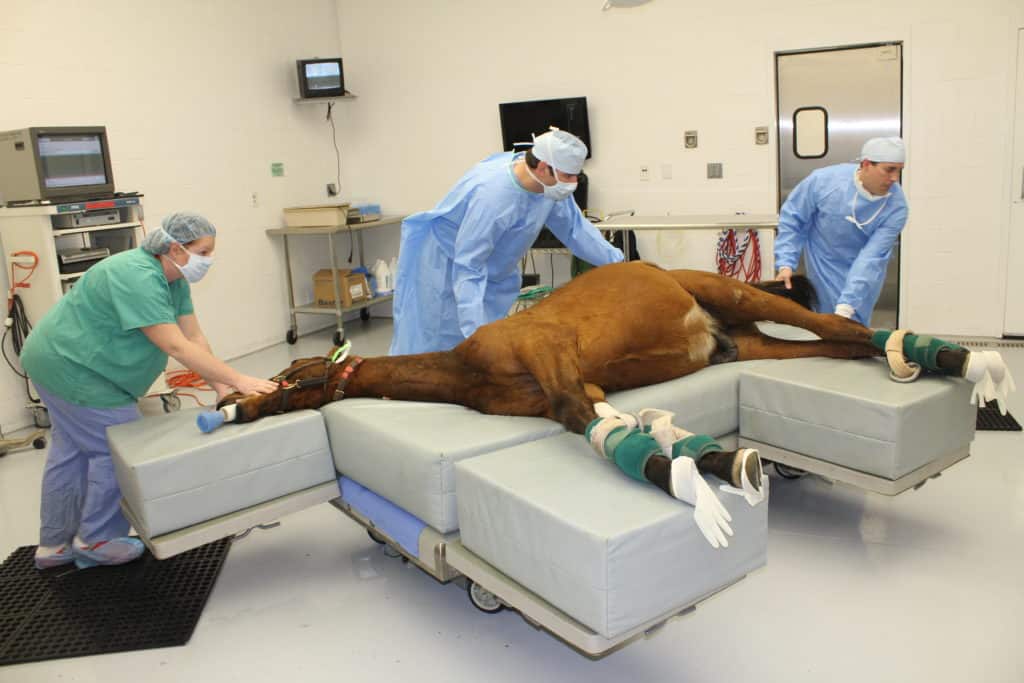
Irish scientists recently tested a new OCD repair method that’s based on the idea of replacing the damaged tissue with healthy tissue.

There’s not one particular approach for rehabilitating injured joints. Here are a few of the options vets have to use.

Equine researchers have begun studying the concept of whole-body inflammation because of its links to a variety of health problems, including “leaky gut syndrome”; musculoskeletal injury risk; and equine metabolic syndrome, insulin resistance, and laminitis.

Bare pastures and potential hay shortages, coupled with winds blowing seeds from laden sycamore trees, have created the “perfect storm” to increase the risk of atypical myopathy in grazing horses in Britain, BEVA warns.

Certain muscular disorders, such as HYPP and PSSM, are common in horses because breeders have selected for specific traits, including enhanced muscle mass and metabolism economy.