HA Blend Improves Horses’ Joint Lubrication, Reduces Damage
Researchers injected horses’ injured joints with a combination of hyaluronan, sodium chondroitin sulfate, and N-acetyl-d-glucosamine (HCSG).

Researchers injected horses’ injured joints with a combination of hyaluronan, sodium chondroitin sulfate, and N-acetyl-d-glucosamine (HCSG).
Regenerative medicine is giving us new options for treating horses with joint disease and other injuries. Learn more and get your questions answered during the live recording of our podcast. Sponsored by Zoetis.
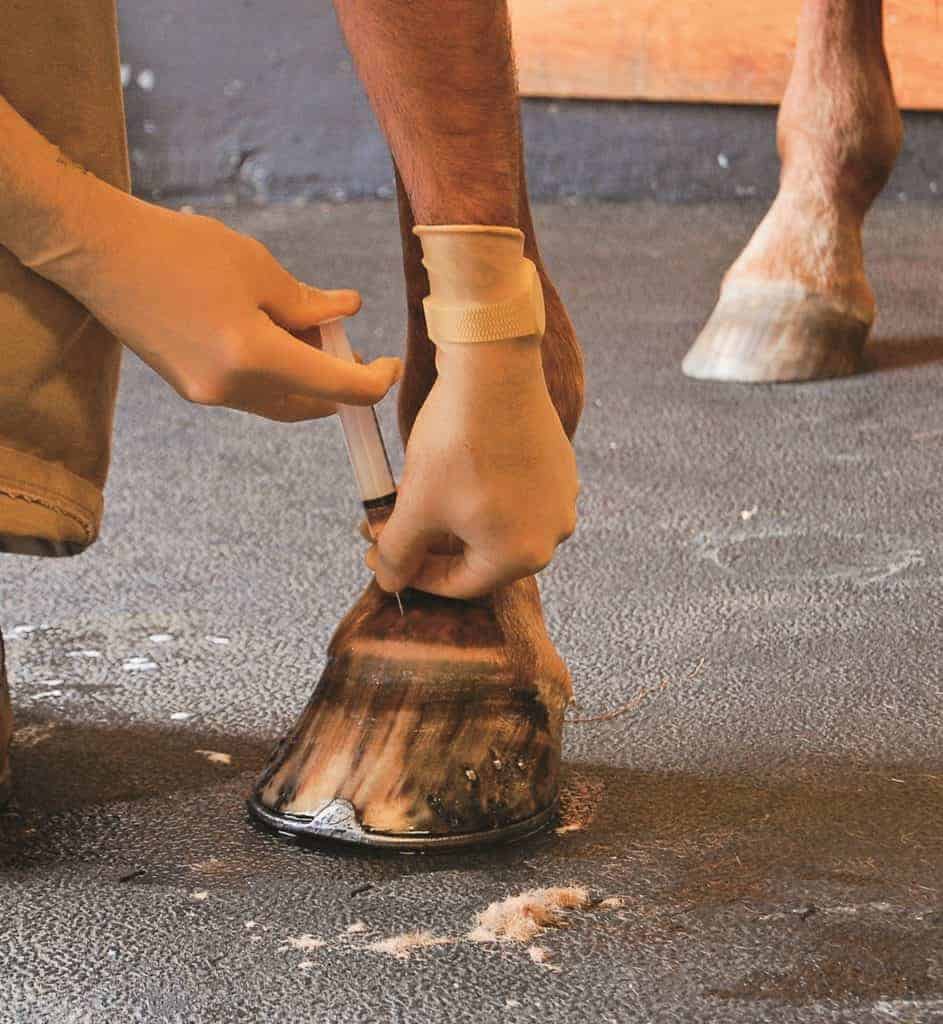
One researcher assessed the impact of environment and antibiotic administration on synovial sepsis rate.

Biologics offer an alternative to steroid joint injections for horses with osteoarthritis. Learn how they are derived and work in our veterinarian-approved visual guide. Sponsored by Zoetis.

Veterinarians share their thoughts on stem cells, IRAP, and platelet-rich plasma.

A survey found most veterinarians who specialize in horses and primarily deal with lameness issues use nonsteroidal intra-articular joint therapies in their patients.

Osteoarthritis is one of the most common equine joint disorders, affecting an estimated one in five horses. Learn about specific strategies for supporting joint health in this free fact sheet. Sponsored by Hyaluronex Joint.

Dr. Marty Adams shares his thoughts on the best joint supplement ingredients for performance horses.

Researchers studied the effects of clodronate disodium on normal and inflamed equine cartilage in laboratory samples.

Researchers at Oregon State University looked at 14 case studies involving lameness related to muscle tears. Here’s what they found.

Researchers used PRP-L to treat joint infections caused by the common bacterium Staphylococcus aureus, with encouraging results.

A Norwegian and Swedish study shows that autologous conditioned serum with higher levels of certain biological anti-inflammatories and growth factors is more likely to reduce lameness in treated horses.

Biomechanics expert: The wrong rehab program for a horse can be counterproductive.

Read about the existing science behind acupuncture and what you should know before scheduling an appointment for your horse.

With a custom-made splint holding the bent knee in place and partially supporting the horse’s weight, equine surgeons can now perform needle arthroscopy in standing, sedated horses.

Veterinarians need to assess horses, diagnose the cause of pain, and start medical management early for the best prognosis.