The Conformationally Challenged Equine Athlete
No horse is perfect, and many with conformational flaws go on to compete successfully. What can you live with and how?

No horse is perfect, and many with conformational flaws go on to compete successfully. What can you live with and how?

New research shows sport horses had increased hock angles when the hind hooves were shod and might show reduced lameness.

Researchers discussed the complications 212 veterinarians experienced after performing sacroiliac joint region injections.

MRI imaging of the stifle joint has shown evidence of injuries to a variety of soft and hard tissues.

Horses with injured stifles have the best chance of returning to full work following a scientifically planned rehabilitation process.

Find out how to get athletic horses with injuries to the large, complex stifle joint on the road to recovery.
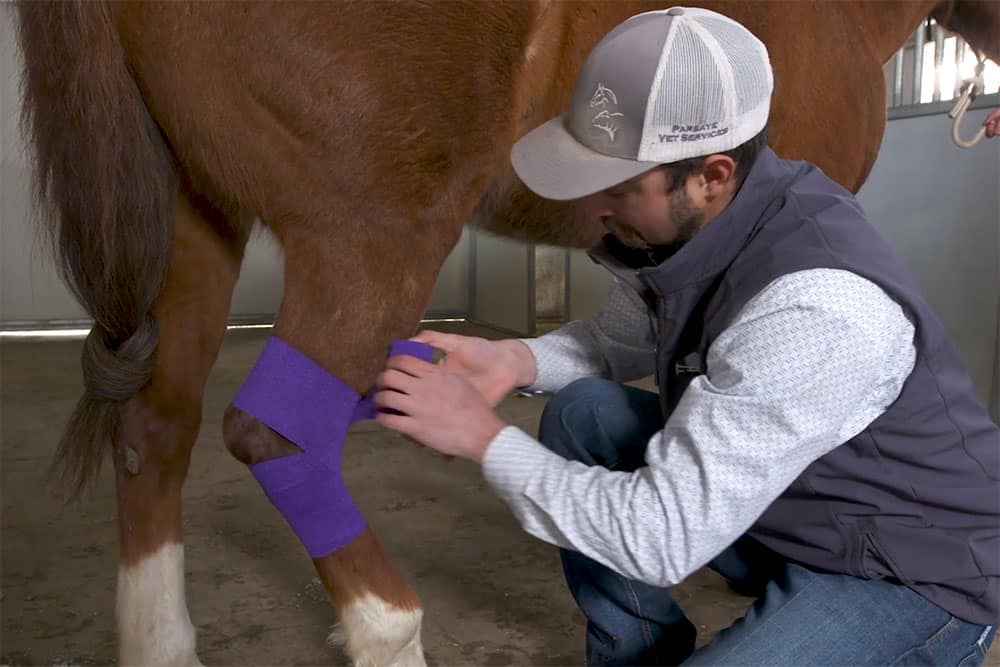
Wrapping a hock can be difficult, but these tips from a veterinarian can help.

Pinpointing an injury’s location is important for not only an accurate diagnosis but also a proper treatment and successful outcome.
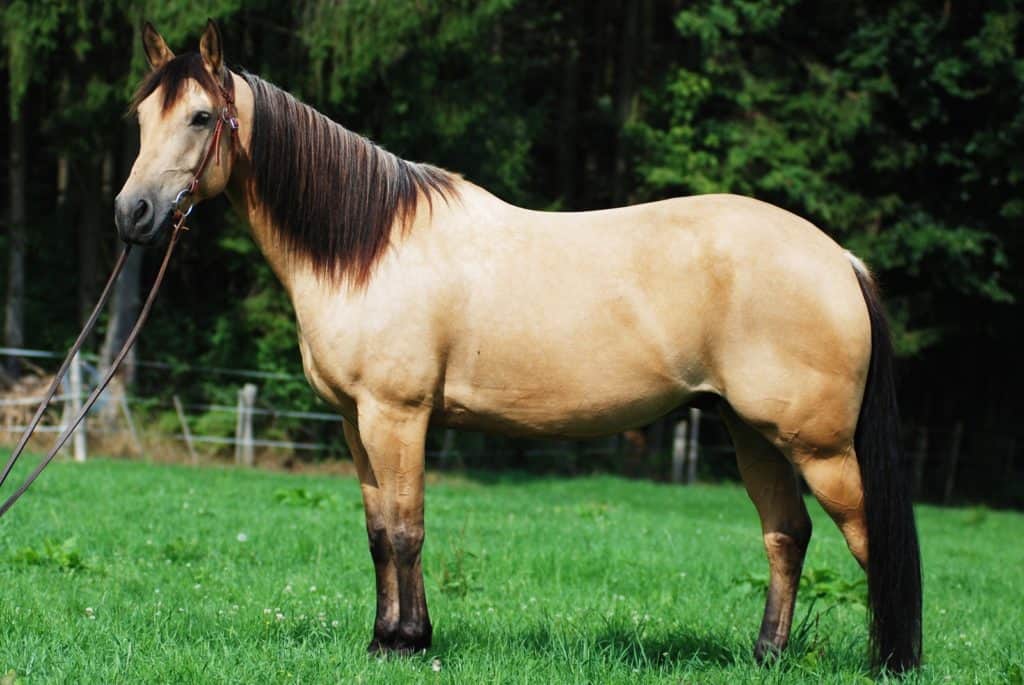
What impact do structural deviations really have on your horse’s soundness and performance? Here’s what you should know.

Horses waking up from general anesthesia can injure themselves trying to stand. But those receiving epidural opioids beforehand generally make fewer efforts to stand and do so more calmly.

Researchers investigated how the novel surgical technique improved lameness and radiographic appearance in subchondral cystic lesions of the medial femoral condyle.

Prevailing wisdom has been that Western disciplines are too physically demanding to allow athletes to return to work after arthroscopic stifle surgery. A study presented at the 2019 AAEP Convention found this isn’t necessarily the case.

What’s the long-term prognosis for a horse diagnosed with a fractured pelvis?

Learn about this stifle problem that can cause the hind limb to become locked in extension.

Researchers recently identified a link between hind-limb lameness and coffin bone angles, which they said has not been previously described in horses.

The more data vets have on the injuries Western horses experience, the more they can do to try to rehabilitate or prevent them, one practitioner says.