Equine Dental Care
Get your questions answered and learn about the latest advances in horse dental care in this live event.

Get your questions answered and learn about the latest advances in horse dental care in this live event.

Horse owners can take simple steps to help keep their animals’ GI systems functioning optimally.

Researchers compared the digestibility of a high-forage diet when fed to weanling versus mature horses.

Our experts answer your questions about ulcers, GI tract problems, and general “tummy troubles” in horses.
My two horses’ urine output is very different in smell and color. What could be causing this?

A research team is examining how infectious disease and inflammation impact cells in the horse’s gut.
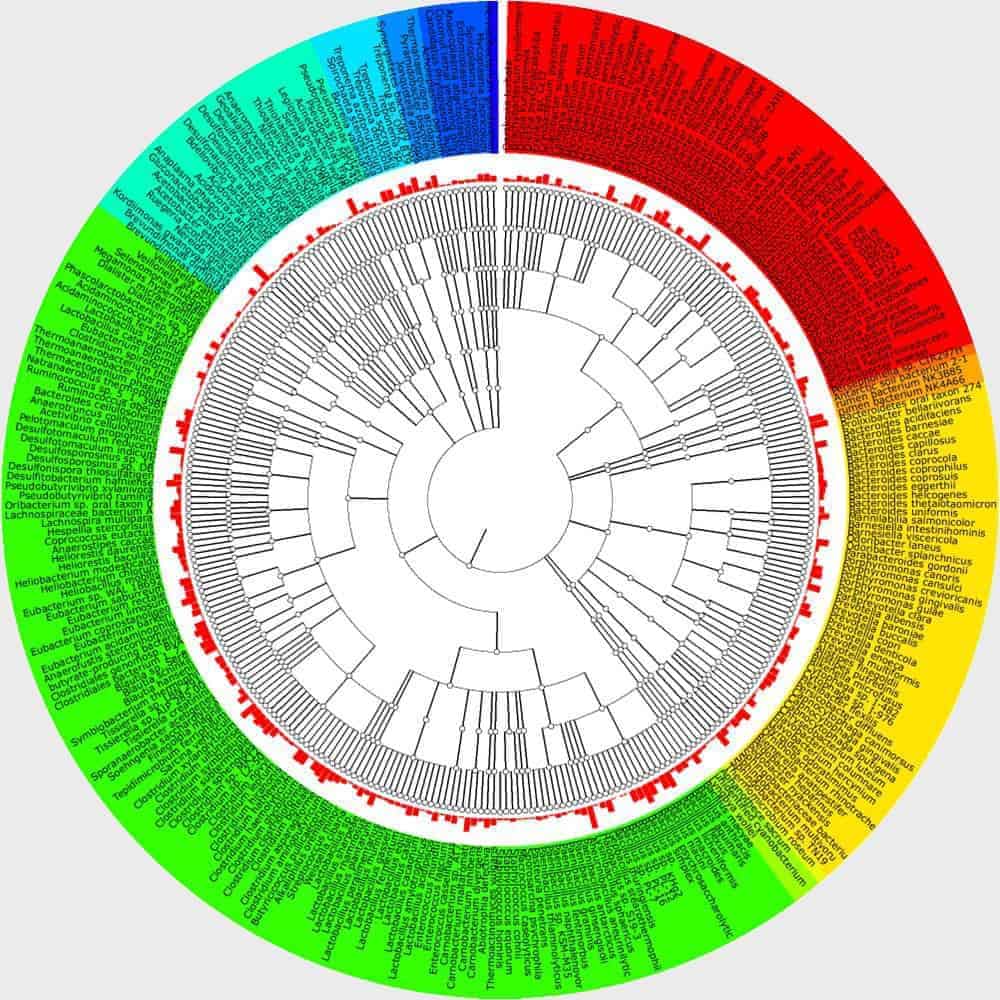
Veterinarians are starting to understand the complexity and diversity of equine microbiome.

Providing pre- and probiotics, coupled with proper nutrition, can have positive effects on horses’ health.

Dr. Scott Weese of the University of Guelph defines microbiomes and their role in equine digestion and immunity at the 2012 International Conference on Equine Infectious Diseases in Lexington, Ky.

Researchers pinpointed a definitive cause of weight loss in 60% of evaluated cases.
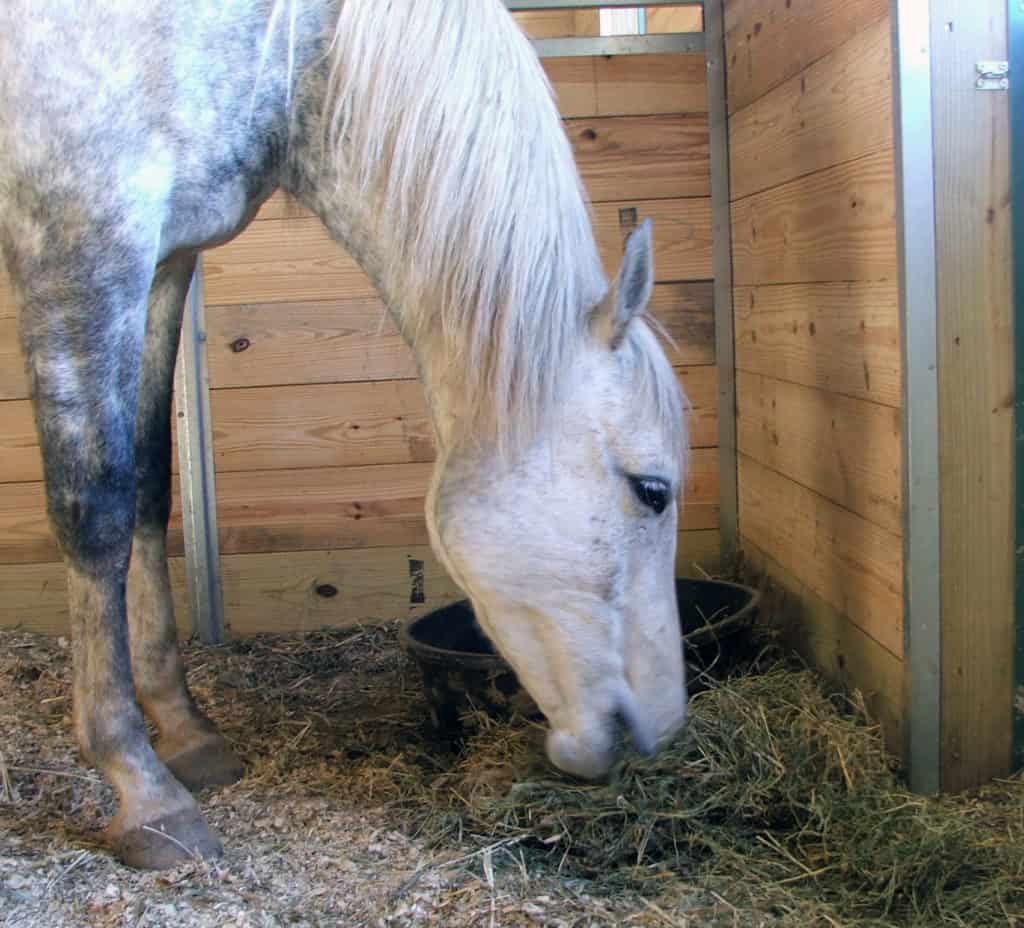
Forage-only diets provide horses with more physically effective fiber than hay-and-concentrate diets.

Researchers now believe the microflora residing in the hindgut could contribute to equine obesity.
Eighteen cases identified in France, four in Great Britain, and one in New Zealand.

Researchers found that some horses with inflammatory small bowel disease could have a gluten intolerance.

Research finds withholding a horse’s feed reduced heart rate and increased atrioventricular block frequency.
A recent study suggests that with supportive care affected foals can lead healthy and productive lives.