Feeding the Ulcer-Prone Horse
Learn how to craft a diet for the horse with painful lesions in his stomach.

Learn how to craft a diet for the horse with painful lesions in his stomach.

Researchers developed a way to study equine infectious disease that might accelerate progress in disease modeling, vaccine development, and understanding these infections.

Horses can consume hay pellets or cubes rapidly. How can we slow them down to increase their time spent chewing?
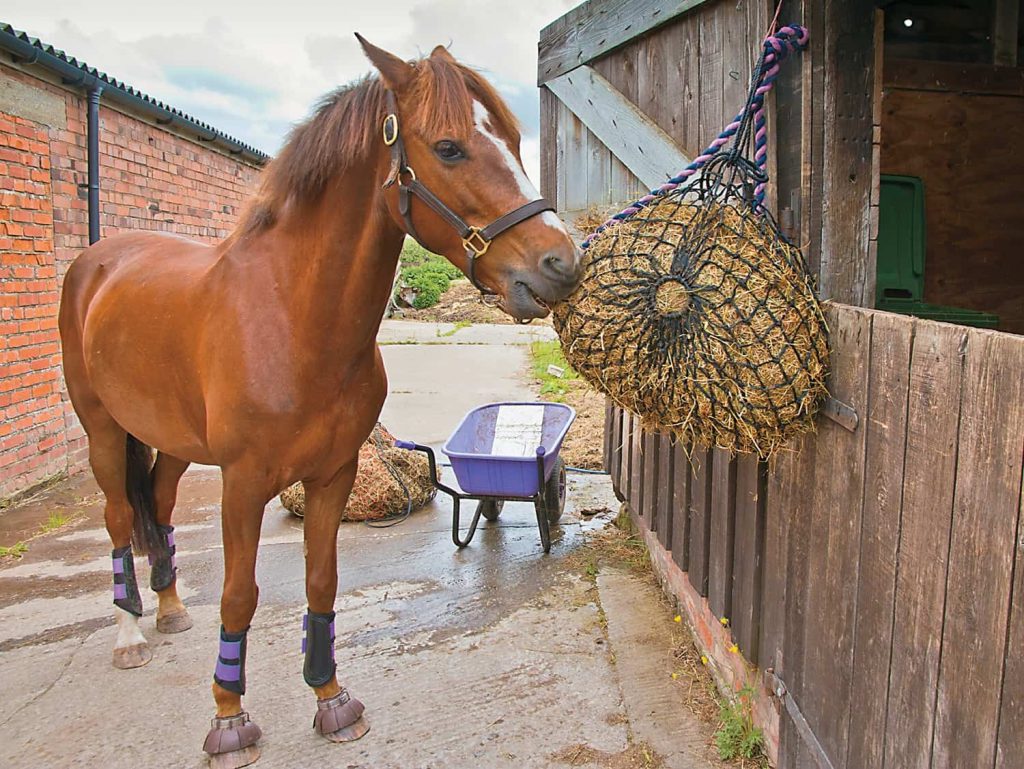
What can you do to protect your horse’s sensitive stomach against gastric disease?

Dr. Frank Andrews describes how you can reduce your horse’s risk of hindgut ulcers while helping him safely lose weight.

Dr. Mary Beth Gordon describes common treatment protocols for hindgut ulcers in horses and the role horse owners play in treatment.

Dr. Frank Andrews describes signs that might indicate hindgut problems in horses, from lethargy and colic to diarrhea and weight loss, in this Ask TheHorse excerpt.

Dr. Mary Beth Gordon outlines the essential role of the hindgut in horse digestion.

Find out whether a horse diagnosed with ulcers should be on a special diet.

Learn to read the vast and varied signs of equine gastric ulcer syndrome.
Researchers examined the relationship between gastric ulcers and the microbiome in the lower portion of the horse’s stomach.

Research shows slight shifts in the horse’s intestinal microbiome can have far-reaching effects.
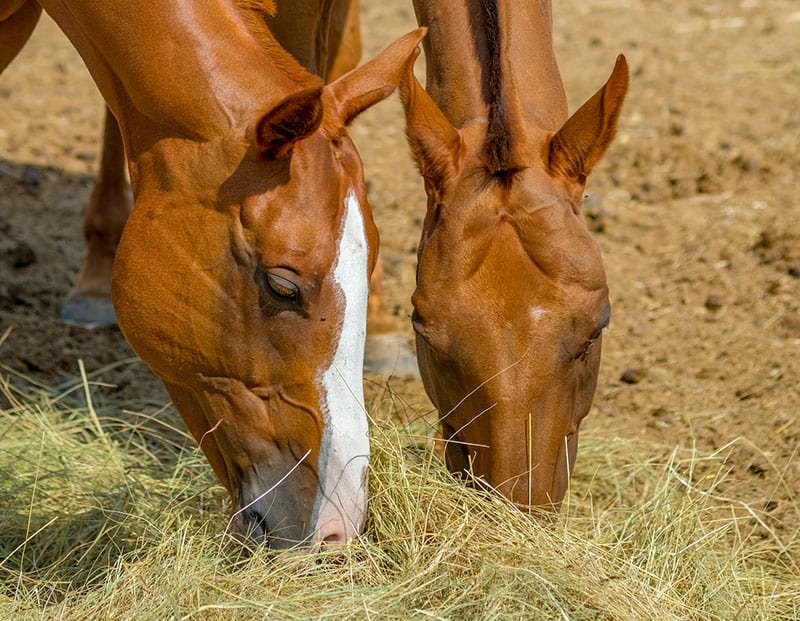
Getting back to basics and simplifying meals might be the key to keeping the horse’s hindgut healthy and functioning properly.

Ditch traditional bran mashes (and the issues they can cause) for forage feeding to keep horses warm.

Understanding how your growing foal’s digestive system works can help you recognize and avoid potential problems.

Madeline Boast explains why you might need to provide supplements for horses on a forage-only diet to maintain a healthy equine gut microbiome.