Study: Fecal Transplants Improve Old Horse Gut Health
Hospitalized geriatric horses that recovered from severe colitis showed positive changes in their gut microbiota after receiving diluted feces from healthy horse donors.

Hospitalized geriatric horses that recovered from severe colitis showed positive changes in their gut microbiota after receiving diluted feces from healthy horse donors.

Researchers say progressive changes in diets lead to healthier microbiomes and fewer digestive issues, such as diarrhea and colic.
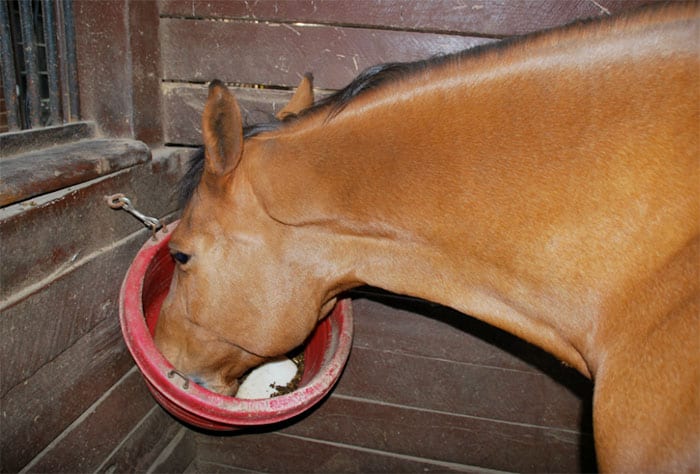
Showing, training, traveling, or even lifestyle changes can put your horse under stress that risks his health. The right nutritional choices can support his immune system, GI tract, and overall well-being. Learn how.

British researchers reviewed more than 150 equine microbiome studies. From colic to laminitis to pregnancy, here’s what they found.

Both NSAIDs induced GI tract inflammation, but phenylbutazone might result in more severe inflammation in the lower GI tract.

One is prescribed by your veterinarian, the other is available over the counter. Find out more in our Q&A.

While any colic episode can be frightening, being prepared in advance can help you navigate such issues with your veterinarian’s assistance.

Find out why horse feed labels don’t simply list calorie content.
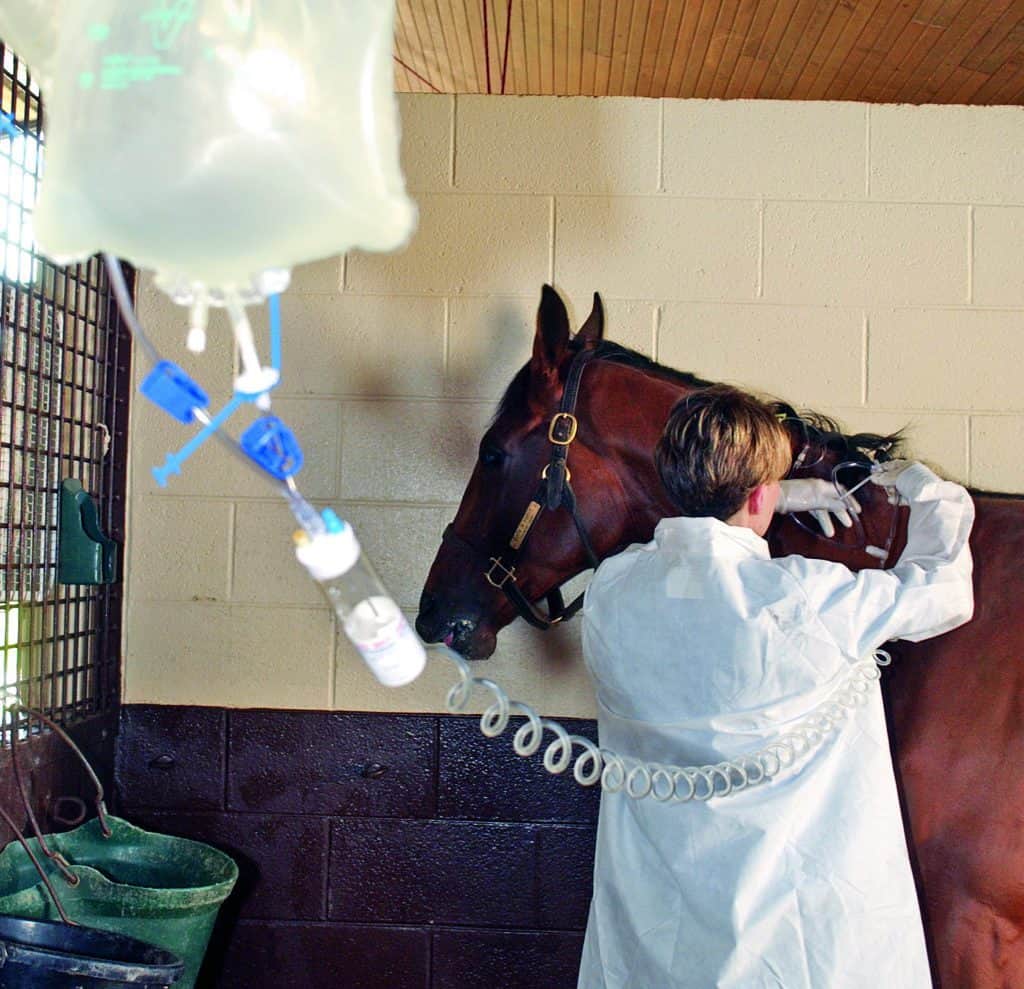
A Texas A&M-led study sought to describe “normal” equine microbiomes and compare those results to horses with colitis related to both antibiotic administration and Salmonella infection.

Blister beetles in alfalfa can be deadly. Here’s what to watch for and how to keep your horses healthy.
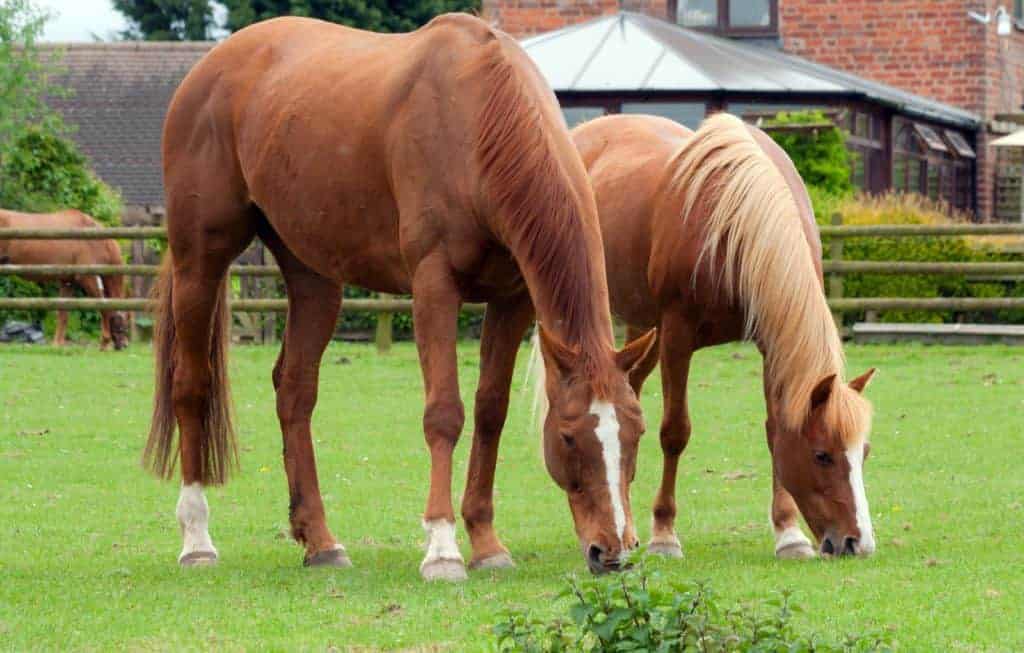
Researchers investigated whether microbiome composition could be breed-specific and, therefore, influence horse health and behavior.

Stress not only leads to stereotypical behaviors and high cortisol (stress hormone) levels but also disrupts the horse’s gastrointestinal (GI) system and microbiome.

What do we actually know? Dr. Hoyt Cheramie covers anatomy, epidemiology, pathophysiology, and management of horses with glandular gastric ulcers.

Tips include ensuring constant forage access, providing pasture turnout, and limiting concentrate intake, among others.

Equine glandular gastric disease has a distinct pathology, risk factors, diagnostics, and treatment approaches.

Are your feeding practices doing more harm than good? Experts share four ways to improve your horse’s digestive health.