Equine Immunity From Birth to Old Age
Many factors affect your horse’s ability to mount an effective immune response, one of which is his age. Learn more about the horse’s immune system and how it functions at every stage of his life.

Many factors affect your horse’s ability to mount an effective immune response, one of which is his age. Learn more about the horse’s immune system and how it functions at every stage of his life.
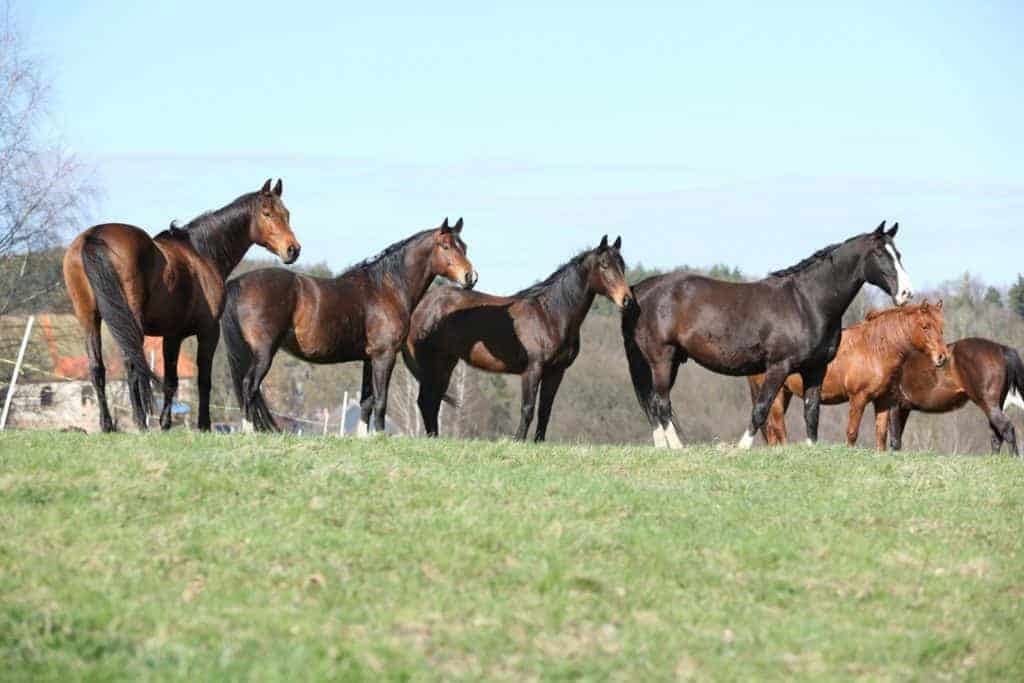
Findings from a recent study could afford a better understanding of how parasites choose their hosts within a herd and lead to the identification of biomarkers that could help pinpoint which horses are more likely to be wormy, researchers said.
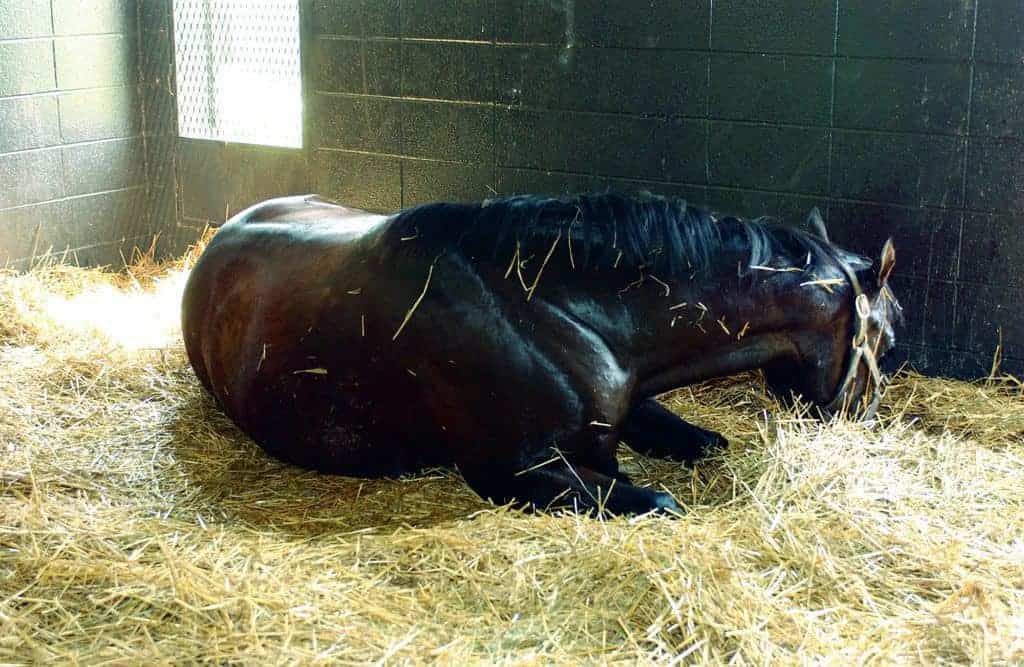
Carolyn Arnold, DVM, Dipl. ACVS, of Texas A&M University offers a better understanding of the gut microbiome’s role in colic and colitis.

Equine researchers have begun studying the concept of whole-body inflammation because of its links to a variety of health problems, including “leaky gut syndrome”; musculoskeletal injury risk; and equine metabolic syndrome, insulin resistance, and laminitis.

Take steps to manage your horse’s weight and behavior while he’s cooped up.
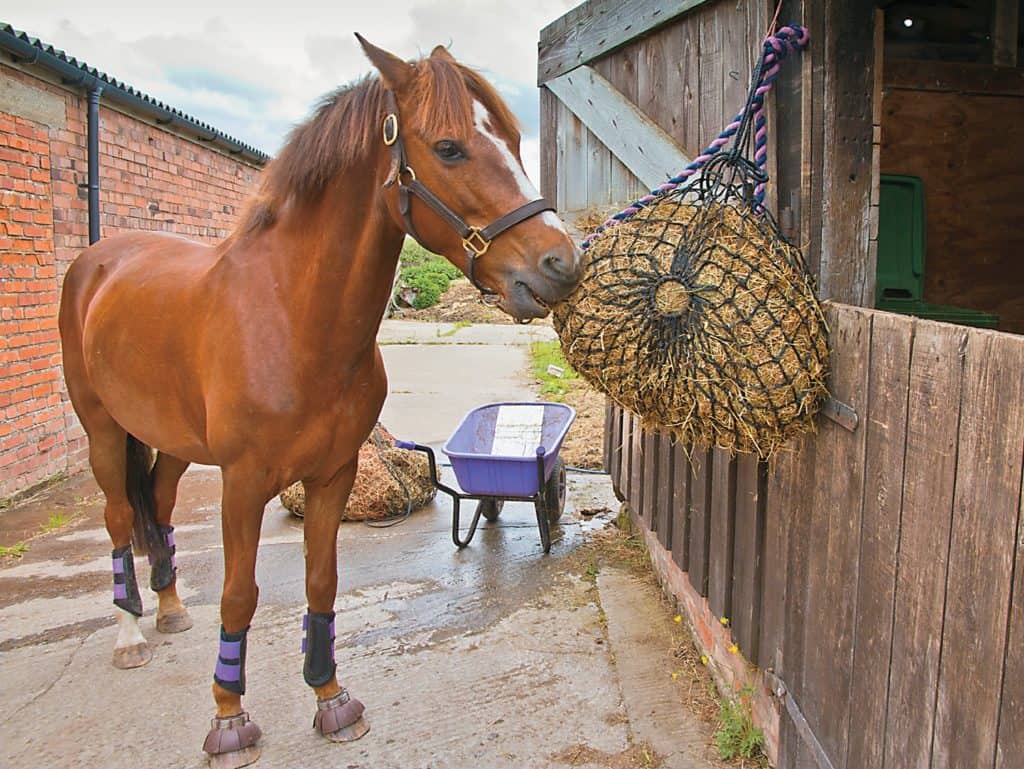
Common feeding practices could be causing your horse’s stomach acid levels to rise.
Horses that don’t compete aren’t immune to gastric ulcer formation. Here’s what to watch for.
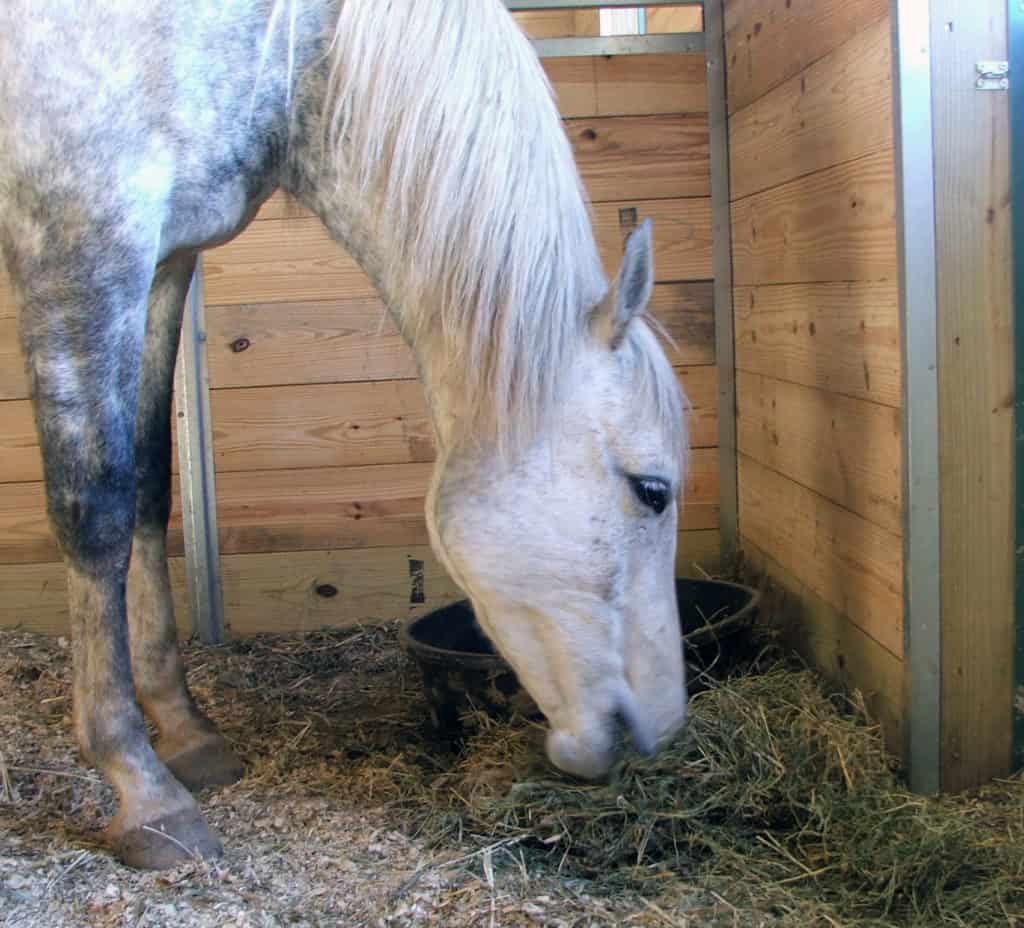
A brief period of fasting prior to omeprazole administration could help maximize drug absorption and, thus, efficacy.
What do probiotics and their counterparts–prebiotics–do for horses? Here’s what the current research says.

Learn about special characteristics of each part of the horse’s digestive tract and different medical conditions that can develop there.
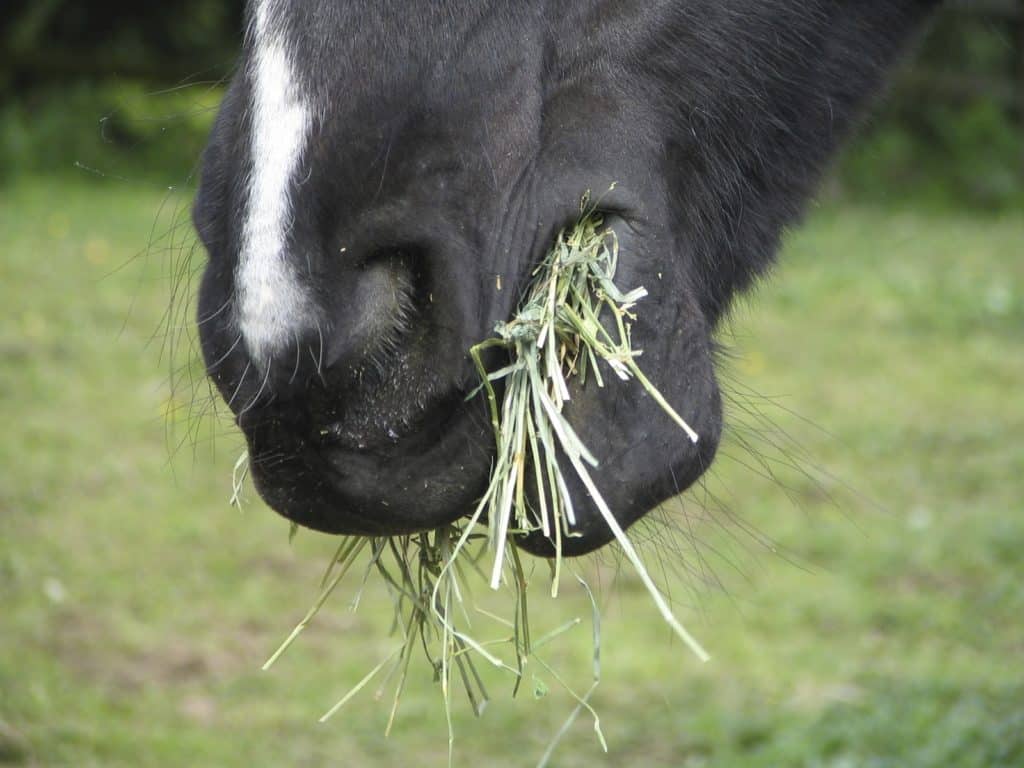
These findings help us better understand how and why horses’ teeth wear as they do, researchers said.
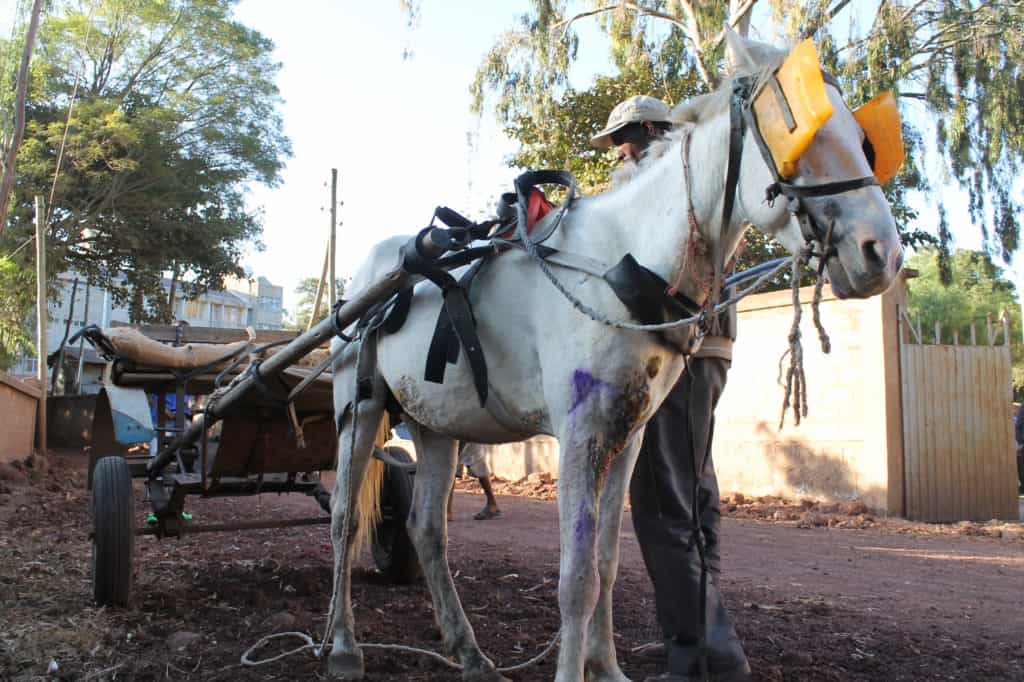
Colic incidence is relatively low, affecting only about 3% of the Kenyan equine population each year. But researchers say that figure doesn’t include many cases not reported to vets and treated with home remedies.

Special maintenance and nutrition can help your horse get back to (and stay in) good health after a colic episode.

Many gastric-support supplements include pectin and lecithins. Find out how they might help horses with EGUS.
Our nutritionist explains how horses break down dietary fat despite not having a gallbladder for bile storage.

Both medical and surgical management resulted in more than 94% of treated horses surviving to discharge from one hospital, researchers found.