Study: Most Horses Go Back to Work After Colic Surgery
In a long-term study, researchers showed that 92.5% of horses discharged had returned to work four to eight years after surgery.

In a long-term study, researchers showed that 92.5% of horses discharged had returned to work four to eight years after surgery.

Digestive system and cardiovascular system problems were the most common causes of death in the study population.
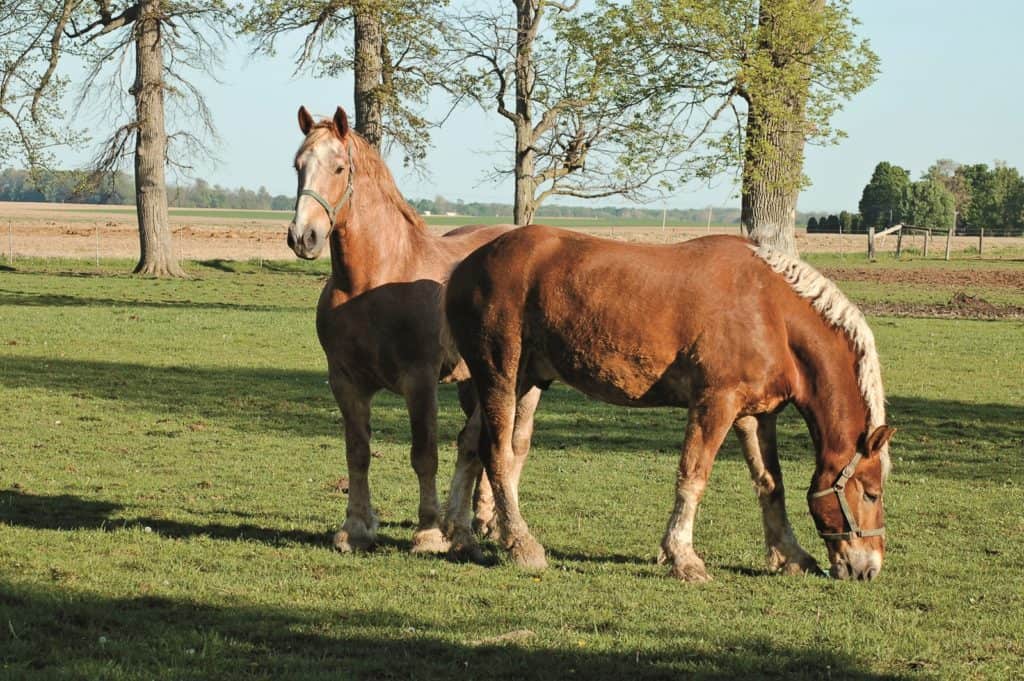
Our equine nutritionist shares tips for keeping your horse healthy and your pastures in good shape this spring.

Carbohydrates are the main source of dietary energy for horses and are important for fast, quick-burning power.

Scientists hope biomarkers in gut microbiota could be used as diagnostic or prognostic indicators in the future.

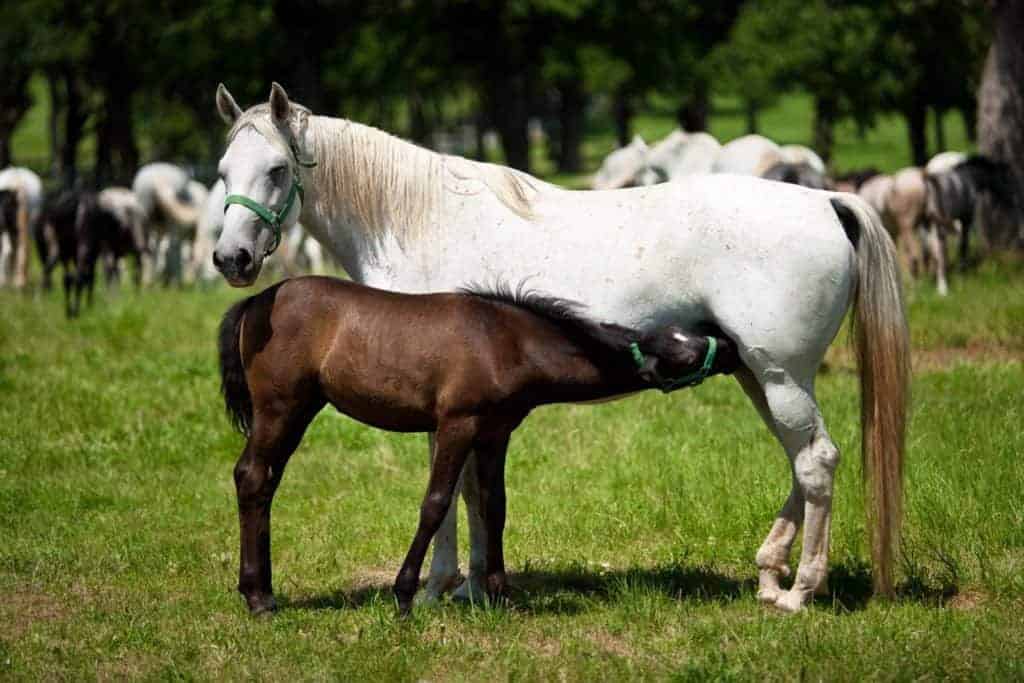
Researchers recently conducted a study on the effects of starch source on mare and foal hindgut bacteria.
Equine lecture topics will include feeding endocrine-challenged horses, allergies, equine aging, supplements, and more.

Dr. Rob MacKay recaps studies on heparin for EHM prevention, liver failure caused by supplements, headshaking, and more.

Watch for these conditions that impact nutrient absorption and lead to weight loss in horses.

Researchers investigated oral esomeprazole and a long-acting injectable omeprazole formulation.

Top tweets and take-homes from sessions on PSSM, laminitis studies, equine tongue tumors, and more!
Dr. Canaan Whitfield-Cargile is examining the role of microbiota in equine gastrointestinal healing.
The AVC used the funds for equipment to diagnose and treat equine lameness, cardiovascular, and gastrointestinal issues.

Several new studies were published as a free special collection in the Equine Veterinary Journal this month.

Many elements must remain within a normal range for a horse’s mouth to stay healthy.