Handle Senior Horse Dental Care With Diligence
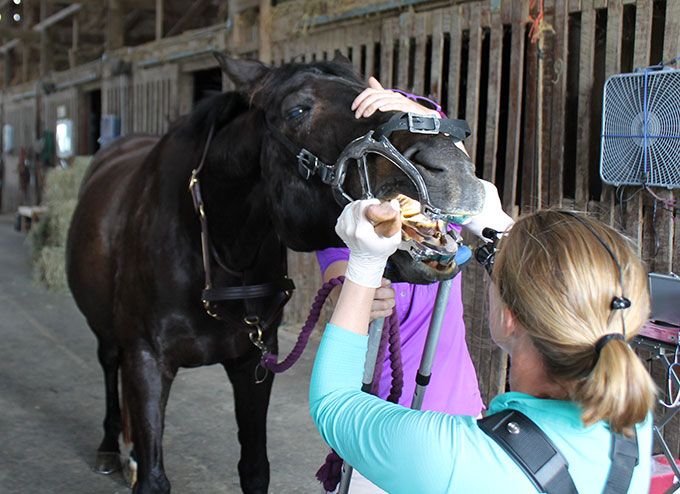
With an estimated 88% of horses over 20 years of age diagnosed with dental disease, veterinarians must be sure to maintain these patients differently than their younger counterparts.

With an estimated 88% of horses over 20 years of age diagnosed with dental disease, veterinarians must be sure to maintain these patients differently than their younger counterparts.
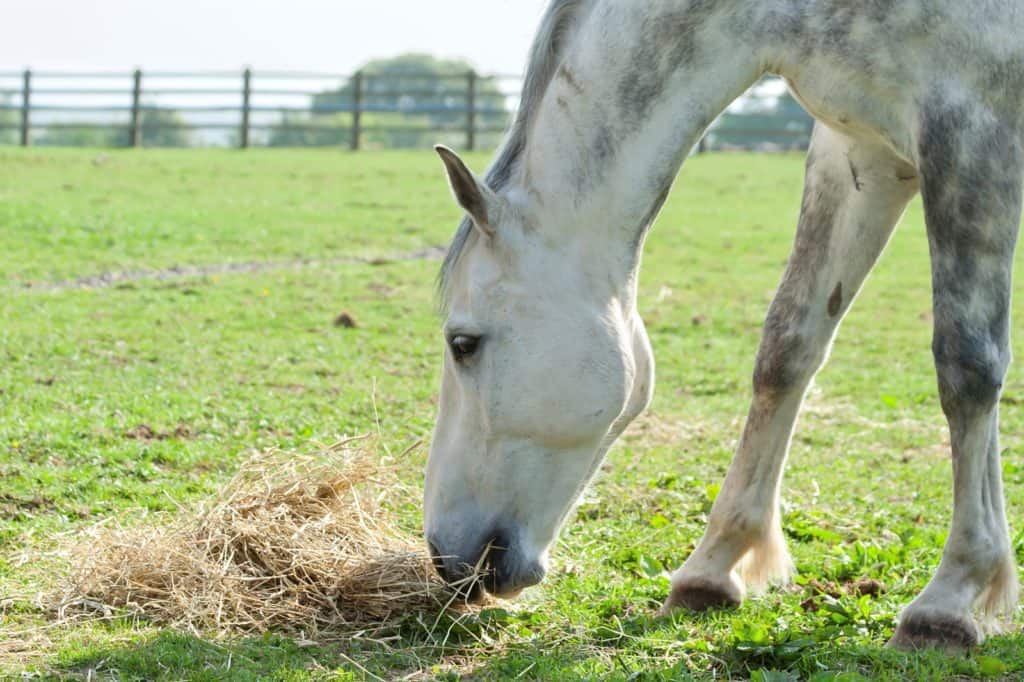
Your old horse’s rations might not need to change just because he’s got a few more gray hairs around his eyes. Still, owners should consider some key points when feeding their seniors.

Veterinarians have only recently described this dental disorder, which primarily affects older horses’ incisors and canines. Because EOTRH comes on slowly and insidiously, many owners and their vets don’t pick up on it until it’s in its late—and painful—stages, one equine dental specialist says.

If your senior horse has few to no teeth, he might not be chewing and digesting the nutrients he needs to maintain his health.

Dr. Liz Arbittier encourages owners and caretakers of senior horses to call their vet if they notice any changes in health or behavior, even when it seems minor, to identify issues and begin treatment early. Here’s what to watch for.

The condition of your horse’s teeth can have a big impact on how he’s fed. Here’s what to know.

Horses consuming a particular supplement had higher high-molecular-weight adiponectin blood concentrations and lower insulin concentrations than when they didn’t consume it. And this, researchers say, could help reduce laminitis risk. Here’s why.
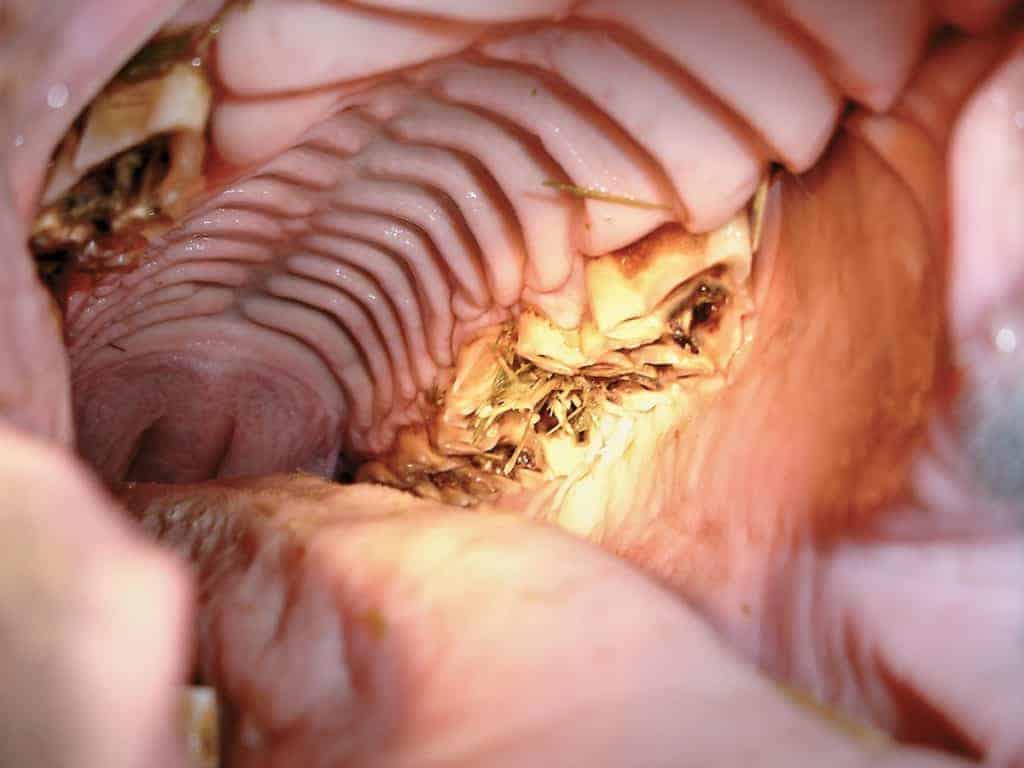
Are your horse’s teeth bothering him? Here are some common signs to watch for.

Researchers found that many old horses are in good body condition. And, at least in certain countries, those that don’t have ideal condition are more likely to be overweight than underweight.
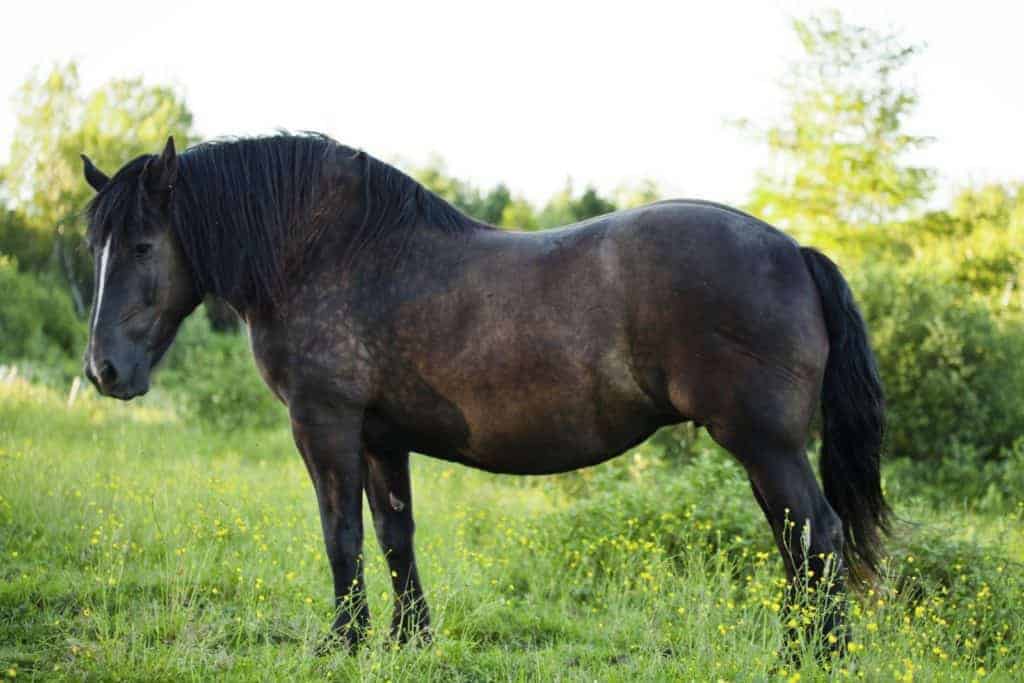
Studies suggest that more than half of certain horse populations in the U.K. are overweight or obese. As such, BEVA urges owners to act now to reduce the risk of their horses suffering weight-related health and welfare risks come spring.

Download free reports on laminitis, senior horse care, medication administration tips, kissing spines, regenerative medicine, OCD lesions, and more.
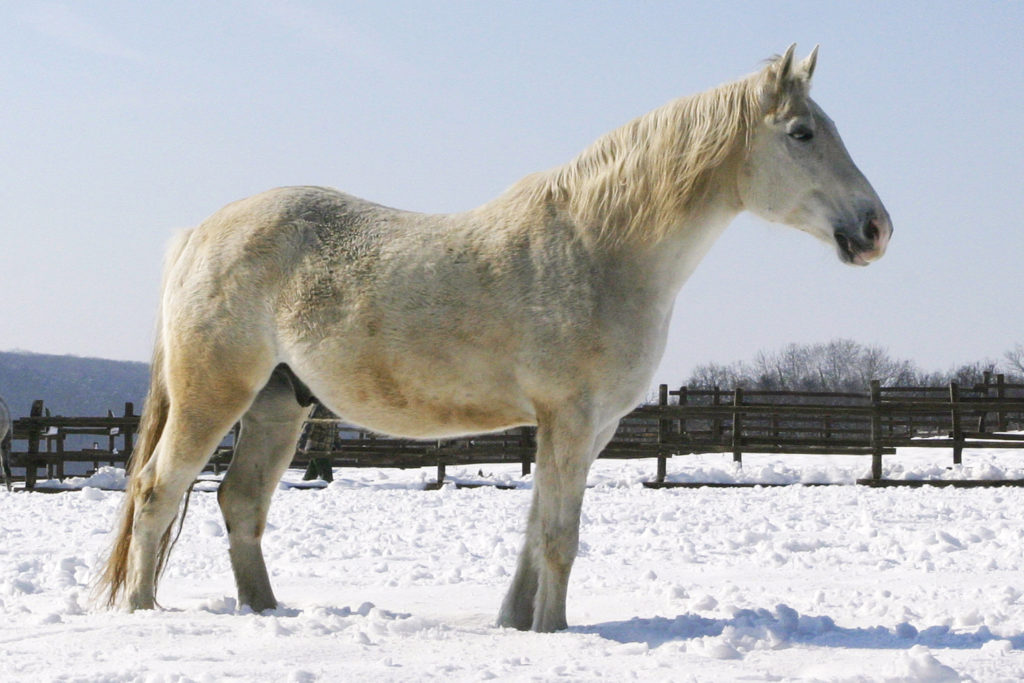
With proper care, senior horses can prosper. Here are a few points to consider.

Fats serve many important functions for horses, from increasing calorie consumption to reducing gastric ulcer severity.
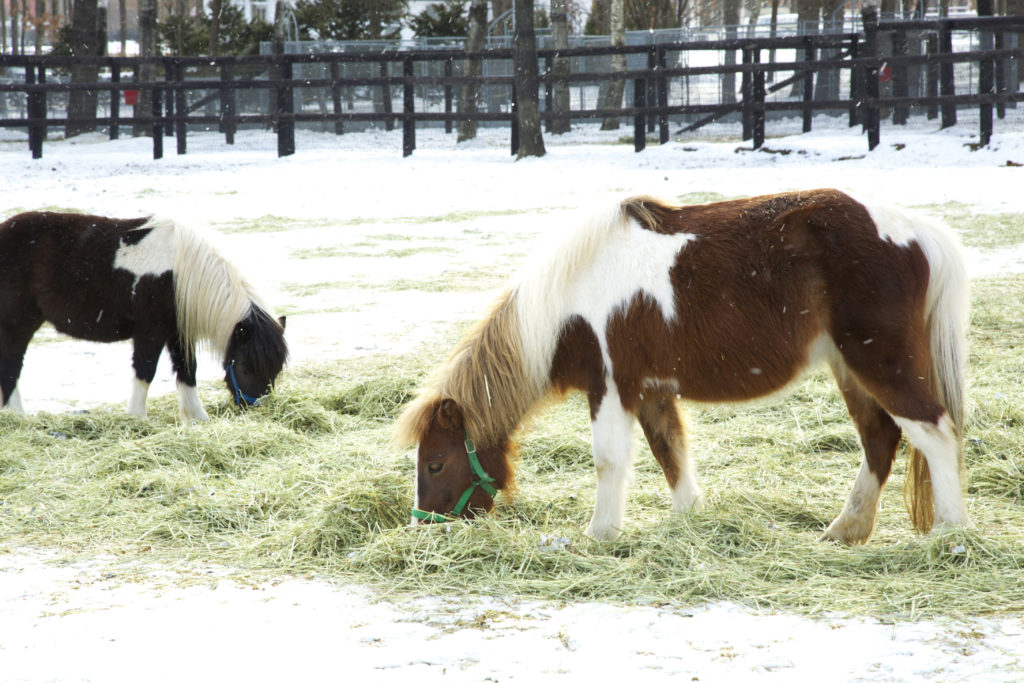
A horse owner asks if she’s feeding her horse hay often enough. Nutritionist Dr. Clair Thunes responds.

Find out which horses are at the highest risk for feed-related choke and what you can do to reduce that risk.

Take steps to manage your horse’s weight and behavior while he’s cooped up.