Vitamin Supplementation for Old Horses
Does your old horse need additional vitamin supplementation in his later years? An equine nutritionist shares how to ensure your senior horse gets the nutrition he needs.

Does your old horse need additional vitamin supplementation in his later years? An equine nutritionist shares how to ensure your senior horse gets the nutrition he needs.

One reader wants to know how she can manage her metabolic horse that is also prone to gastric ulcers. Here’s what she should consider.

Feeding senior horses doesn’t have to be complicated. Some need nutrition adjustments based on their health status and body condition. Sponsored by Sentinel Equine Nutrition.

Horses need the essential nutrient vitamin E for proper muscle and cell function. Here’s how you can be sure you’re meeting their requirements.

Your horse’s nutritional requirements depend on his life stage and individual needs.

Vitamins and minerals comprise a small portion of the horse’s diet by weight, but their importance is enormous. Learn more about when supplementation might be needed.

Researchers believe exercise, stress, and diet can contribute to leaky gut in horses, but a prebiotic product might reduce the incidence.

Extruded horse feeds offer higher digestibility, longer consumption time, and decreased dust and pathogens, making them an ideal option for feeding some types of horses.

What could cause a horse to develop equine odontoclastic tooth resorption and hypercementosis (EOTRH)?

Horses with certain health conditions should skip sweet treats. Find out if your horse is one.

Dr. Kelly Vineyard describes the best ways to help an older horse with poor dentition gain weight without putting him at risk of choke or GI problems.

When your older horse’s pearly whites are past their prime, keep an eye out for signs of specific problems.
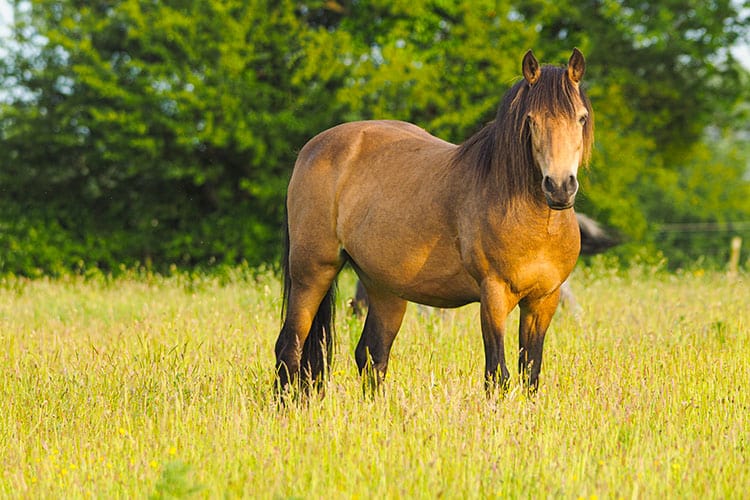
Here are some tips for promoting nonworking horses’ optimal health (and preventing potential problems) with nutrition.

As your horse ages, dental problems might develop that require changes to his diet.

If your horse stops eating, consult a vet to rule out medical issues, check feed quality, consider behavioral factors, and use palatable options to stimulate appetite.

Learn how to add calories safely to a metabolic horse’s diet without putting him at a greater risk of developing laminitis.