Caring for the Disciplines, Part 3: Trail and Endurance
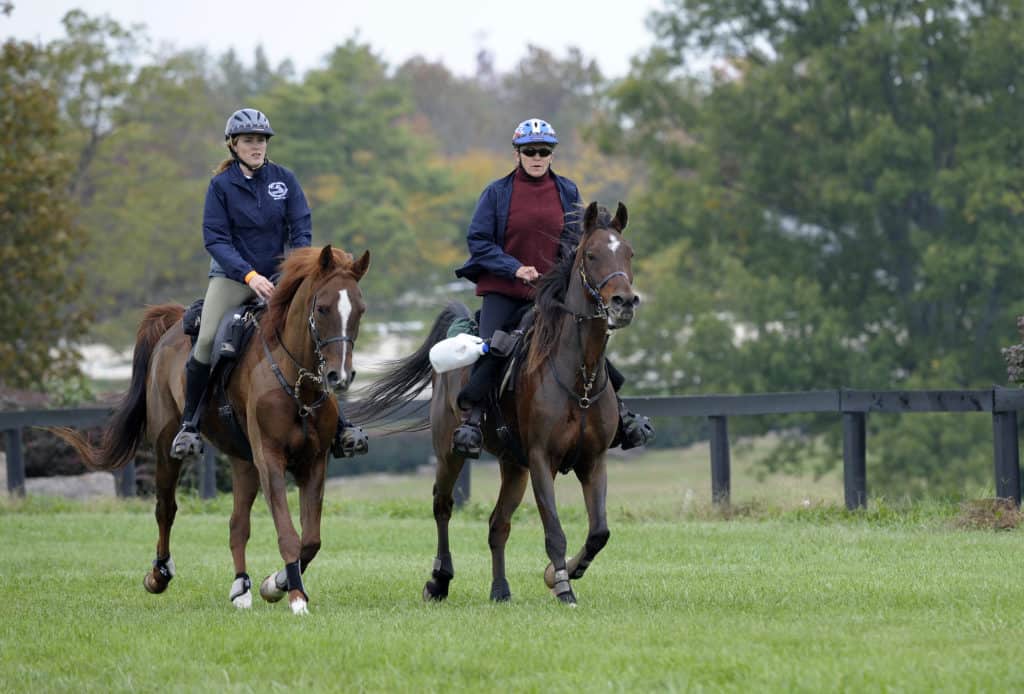
Attention to conditioning and minimizing wear and tear can help horses stay on the trail for years to come.

Attention to conditioning and minimizing wear and tear can help horses stay on the trail for years to come.
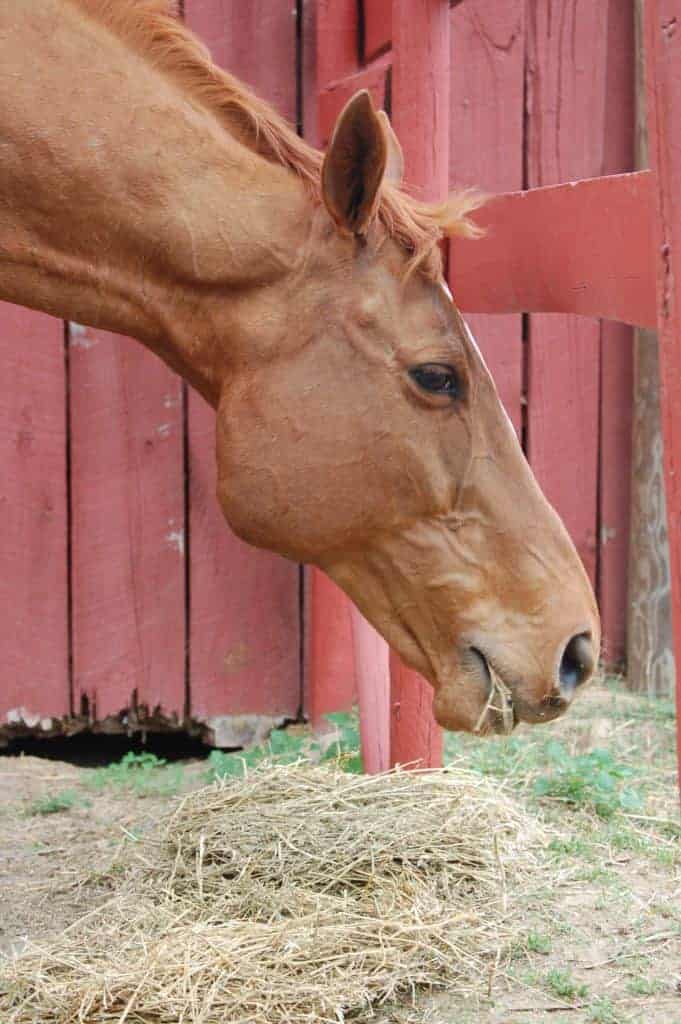
Nutritional choices can either help or hinder a horse’s health problems, diseases, or ailments.
Speakers will address several topics surrounding the nutritional and health needs of pastured horses.

Appropriate forage, forage alternatives, and/or concentrates can keep aged horses at a healthy body condition.
Lots of rain means lots of grass. Keep your horse healthy and from overgrazing with these tips.

Researchers found that some horses with inflammatory small bowel disease could have a gluten intolerance.
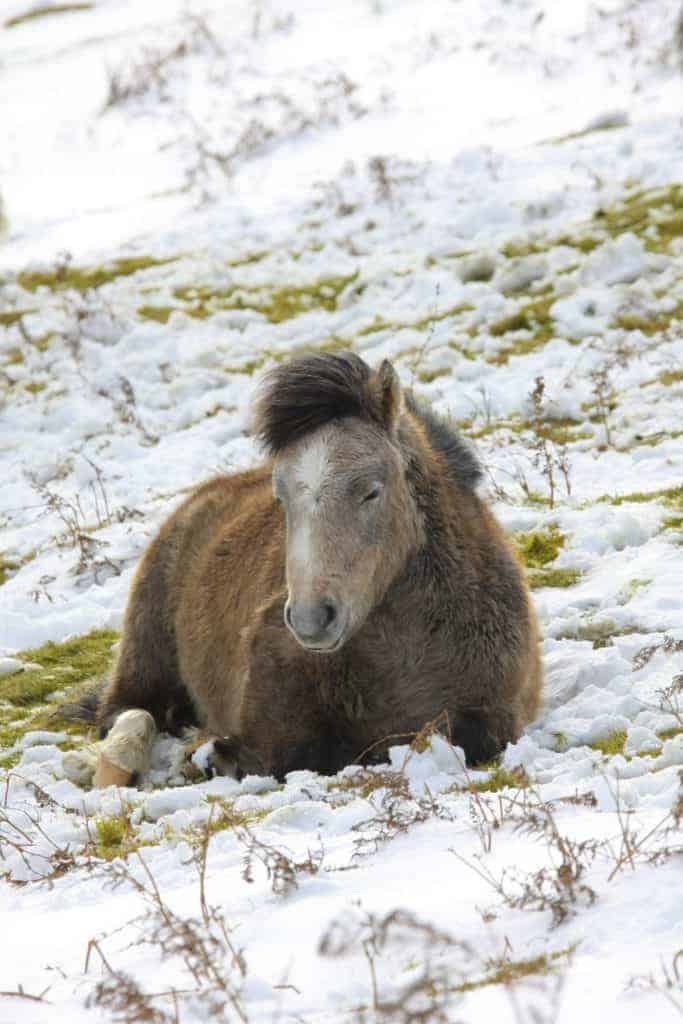
New research indicates horses can slow body processes to conserve energy when environmental factors dictate.
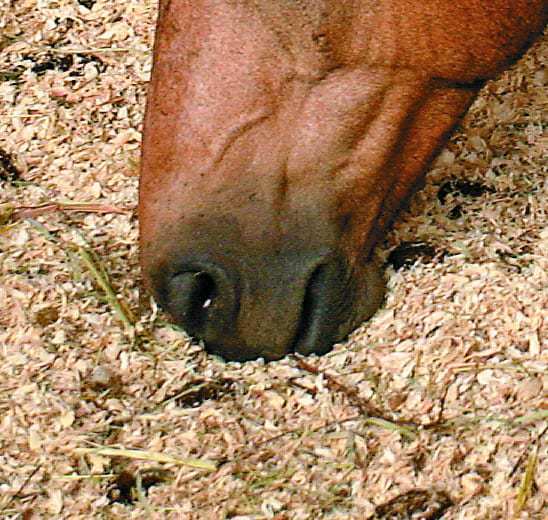
If caloric intake is reduced, horses might seek alternative food sources to fulfill natural feeding behavior.

The new test correlated well with the conventional insulin-sensitivity test and it was repeatable.
A reader is concerned about her 24-year-old easy keeper’s weight loss and sudden difficulty keeping weight on.

The horse’s metabolic processes provide the body with the fuels it needs to sustain itself.

If a horse eats an adequate diet there might be no need for supplementation without a specific deficiency.

The ideal way to manage an obese horse or pony is to prevent it from becoming obese in the first place.
A better equine feeding system will offer small amounts of grain and forage over many hours.
TheHorse.com’s Ask the Vet LIVE event on Horse Adoption and Rescue is now archived for repeat listening.

Researchers examined the other three weigh estimation methods and found one stood out as more accurate.