Understanding Saddle Fit
Equine Metabolic Syndrome Facts
4 Ways to Improve Soil Health in Horse Pastures
Feeding Foals During Weaning
Caring for Young Horse Joints
5 Ways to Minimize Odors on Horse Farms
Getting a Handle on Scratches in Horses
Feeding Ulcer-Prone EMS Horses
Dysphagia in Newborn Foals
Large Colon Volvulus in the Postpartum Mare
Trending Events:
Topics
Equine Metabolic Syndrome Facts
Equine metabolic syndrome (EMS) is a metabolic disorder in horses that can cause obesity, insulin dysregulation, and laminitis. Sponsored by Equithrive.

Feeding Horses to Avoid or Reduce Inflammation

Vitamin Supplementation for Old Horses

Equine Metabolic Syndrome

4 Ways to Improve Soil Health in Horse Pastures

Large Colon Volvulus in the Postpartum Mare
Post-foaling, this type of colic can be life-threatening to broodmares and their foals.
Reducing Your Horse’s Risk of Impaction Colic During Winter
Colic Risk and Late-Cut Hay
Understanding Pedunculated Lipomas in Horses
Preventing Impaction Colic Recurrence

Tick-Borne Diseases of Concern in U.S. Horses
As temperatures rise, tick activity increases—putting horses at risk. Learn how to identify tick-borne threats and implement effective prevention strategies.
Understanding Saddle Fit
Equine Metabolic Syndrome Facts
Feeding Horses to Avoid or Reduce Inflammation
Vitamin Supplementation for Old Horses

Endocrine Disease and Performance Horses – More Than Laminitis
Learn the latest on equine endocrine disease—causes, diagnosis, dynamic testing, and whole-horse treatment strategies—beyond just laminitis. Sponsored by Kentucky Performance Products.

Equine Metabolic Syndrome
Equine Hoof Care Teams at Work
Managing Laminitic Pain in Horses: What’s New?
4 Things You Need to Know to Prevent Endocrinopathic Laminitis
Managing the Chronically Laminitic Horse

Feeding Ulcer-Prone EMS Horses
One reader wants to know how she can manage her metabolic horse that is also prone to gastric ulcers. Here’s what she should consider.
Alfalfa: Is Hay or a Pellet Product Better Before Riding?
Why Do Horses Buck?
Supplement Could Improve Equine Gastric Ulcer Scores
Tackling Equine Gastric Ulcers
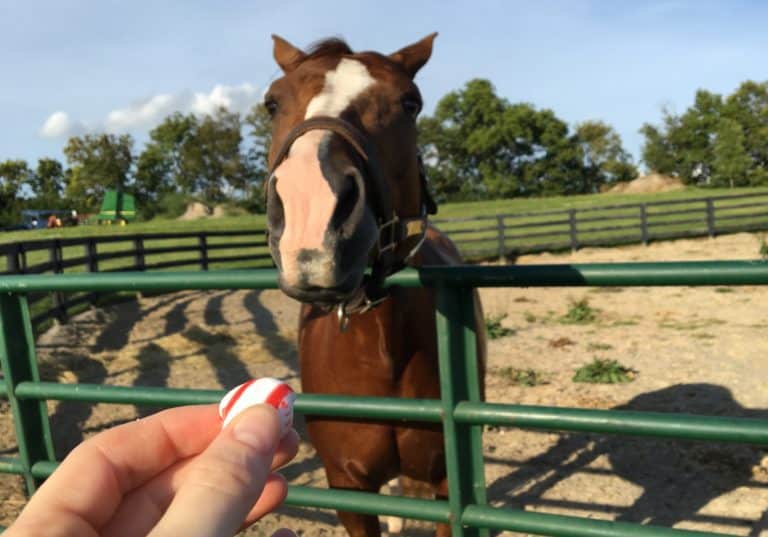
Sugar and Peppermint Treats: Not Safe for All Horses
Sponsored Content
| Top articles from our trusted partners

Endocrine Disease and Performance Horses – More Than Laminitis
Learn the latest on equine endocrine disease—causes, diagnosis, dynamic testing, and whole-horse treatment strategies—beyond just laminitis. Sponsored by Kentucky Performance Products.
Ask a Pro: 4CYTE™ for Horses: Why Early Joint Care Matters
Alexandra Medved discusses 4CYTE™ for early osteoarthritis management in horses, highlighting its uses and real-world success stories.

Feeding Programs for Orphan Foals
When a broodmare dies, prompt colostrum delivery and a well-managed milk replacer or nurse mare plan are key to helping orphan foals grow and stay healthy.

Feeding Young Growing Horses to Reduce the Risk of Developmental Orthopedic Disease
Early nutrition plays a key role in supporting healthy growth in young horses and minimizing the risk of orthopedic issues.

A Challenging Laminitis Case in a PPID Pony
A case study of Squash, a 16-year-old pony, highlights strategies that helped improve her quality of life and manage laminitis.

Wound Care Strategies for Healing Wounds in Horses
This presentation describes the use of various wound healing techniques and dressings for granulating wounds. Sponsored by Phovia.
Read our Current Issue of The Horse
Unlock exclusive content including the latest and most reliable news and information regarding equine health, care, management, and welfare through our magazine and TheHorse.com.
- Aging Metabolic Horses--What Do They Need?
- Keeping the School Horse Sound and Healthy
- Equine Health Emergencies: Plan Ahead for Best Outcomes
- Equine Metabolic Syndrome Facts
- Case Study: Keeping the Older Show Horse Competitive
- Feeding to Avoid or Reduce Inflammation
- Balancing Work and Rest for Horses’ Long-Term Soundness
- Recognizing Vision Problems in Horses