Feeding Broodmares
An equine nutritionist explains how a broodmare’s nutritional needs change during her pregnancy.

An equine nutritionist explains how a broodmare’s nutritional needs change during her pregnancy.
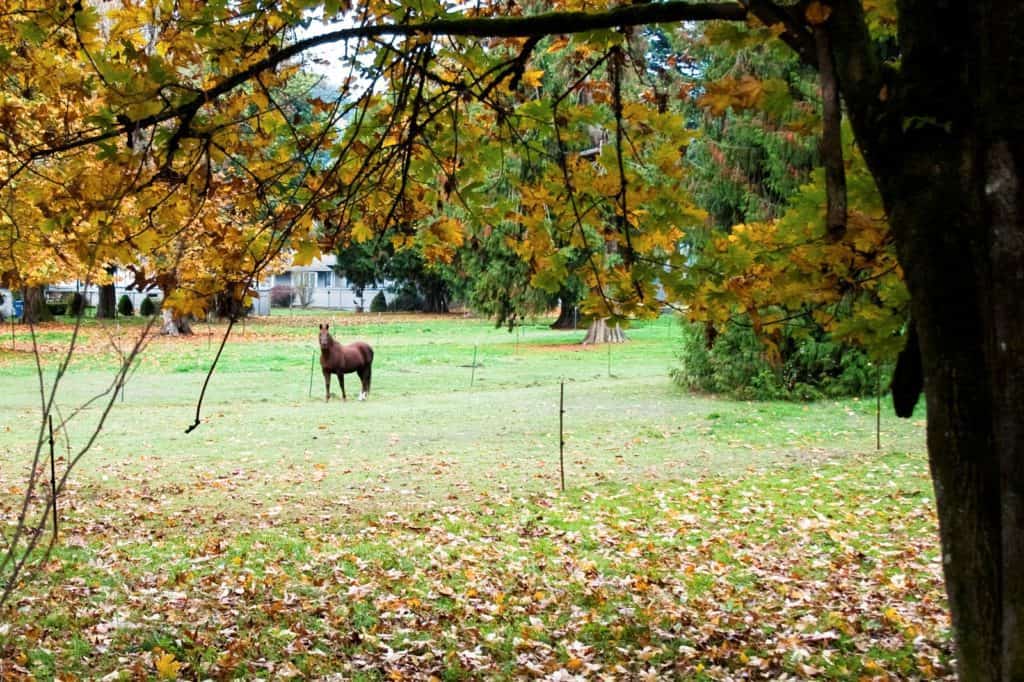
Is it okay for my horse to eat leaves that have fallen from trees in his pasture?
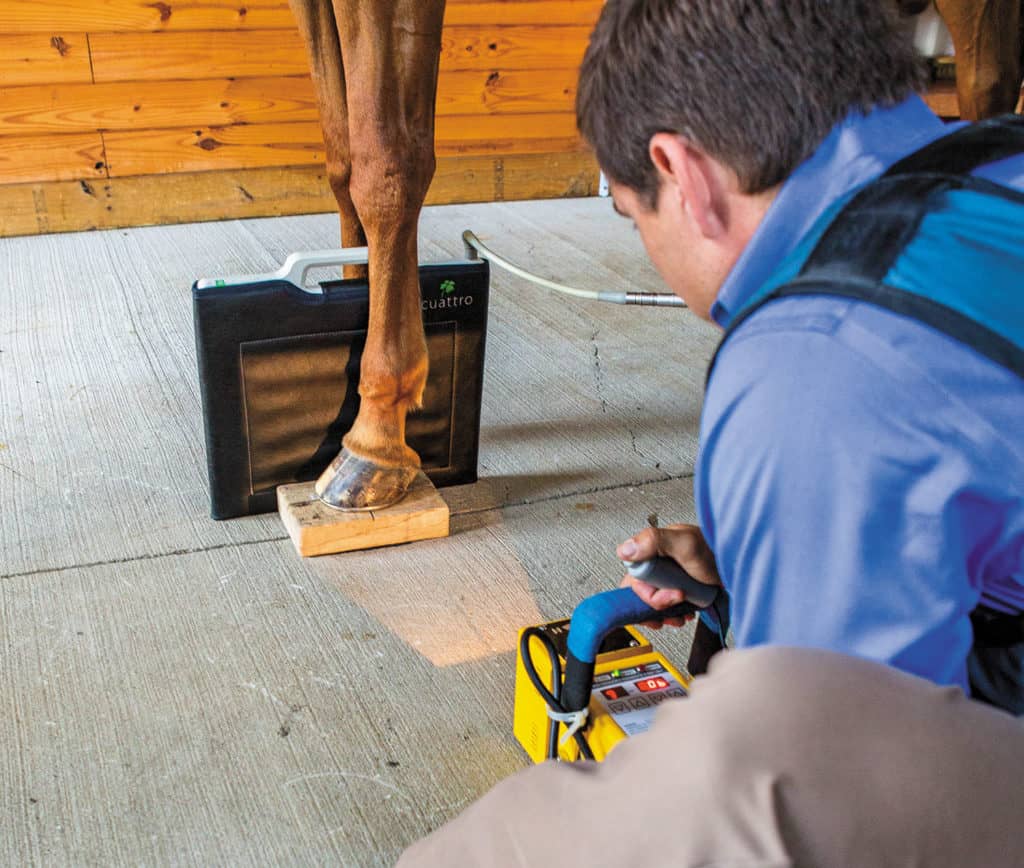
A veterinary podiatrist explains how X rays can be a useful tool for managing horses with chronic laminitis.

When switching your horse to a forage-focused diet, first obtain a hay analysis and choose a ration balancer that fills the nutritional gaps.

An equine nutritionist explains why senior feeds are high in fiber and why that’s good for your older horses.

Get advice on encouraging a hard-keeper to eat more. The first step? Rule out health problems.

When can you safely feed freshly baled hay? Find out how curing and harvest timing can affect hay safety for metabolic horses.

Here’s how to monitor your horse for dehydration and help prevent it.

Hindgut issues in horses can be subtle at first but could lead to colic, diarrhea, weight loss, laminitis, and swelling as the condition worsens.

Arthritis-related lameness can range from subtle slowing to obvious limping. Veterinary evaluation helps guide management to keep horses comfortable.

Find out how much protein your horse’s diet provides and whether it comes from high-quality sources.

An equine nutritionist shares how to calculate your horse’s annual hay intake and how to reduce hay waste to help stretch your budget.

Some people believe scratching a tense horse will reinforce her fearful behavior. Read what an equine behavior expert says.

A nutrition expert offers advice for ensuring free-fed horses don’t overeat hay.

Before adding vitamin E to your horse’s diet, find out why veterinarians recommend testing blood levels and how to supplement appropriately.

An equine nutritionist explains why your horse might waste concentrate and hay and how you can combat this.