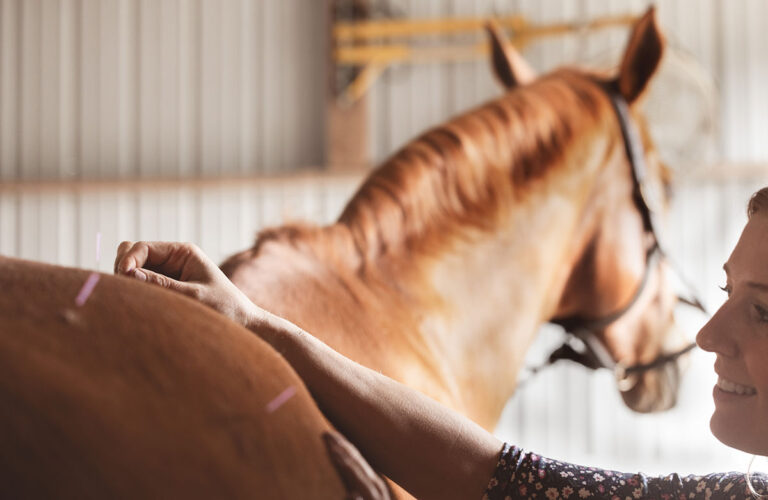
Complementary Therapies in Equine Care: What Horse Owners Need to Know
Find out how veterinarians use complementary therapies alongside conventional care to ease pain, aid recovery, and support performance.

Find out how veterinarians use complementary therapies alongside conventional care to ease pain, aid recovery, and support performance.

Research and advancements are improving our understanding of how water exercise benefits both healthy and rehabbing horses.

Discover what issues can affect your horse’s back, sacroiliac joint, and pelvis and how veterinarians address them.

Veterinarians describe 9 common causes of poor performance in horses and what it takes to get a diagnosis.

What to expect when a veterinarian performs a prepurchase exam on a prospective equine partner.

An equine veterinarian and a nutrition researcher explain how nutrition can improve your horse’s joint health and how to choose high-quality joint supplements.

Cold weather often brings unwanted weight loss in hard-keeping horses. Two experts offer advice on preventing this as we prepare for temperatures to drop.

A prepurchase exam (PPE) can help you make an informed decision when buying a horse. Learn what a PPE includes and what it can and can’t reveal. Sponsored by CareCredit.

Register for this Ask TheHorse Live event and submit your kissing spines questions for the experts. Sponsored by CareCredit.

Learn about 5 reasons for limb swelling in horses, from benign triggers to causes for major concern.

Horses need the essential nutrient vitamin E for proper muscle and cell function. Here’s how you can be sure you’re meeting their requirements.

Here’s how to properly condition your mare before, during, and after her pregnancy.

Your horse’s nutritional requirements depend on his life stage and individual needs.

From medical records and medication disclosure to competition history and hoof care, what sellers should prepare before a buyer’s veterinarian evaluates a horse.

Learn about the superficial digital flexor tendon’s complex anatomy and how veterinarians rehab it when injured.
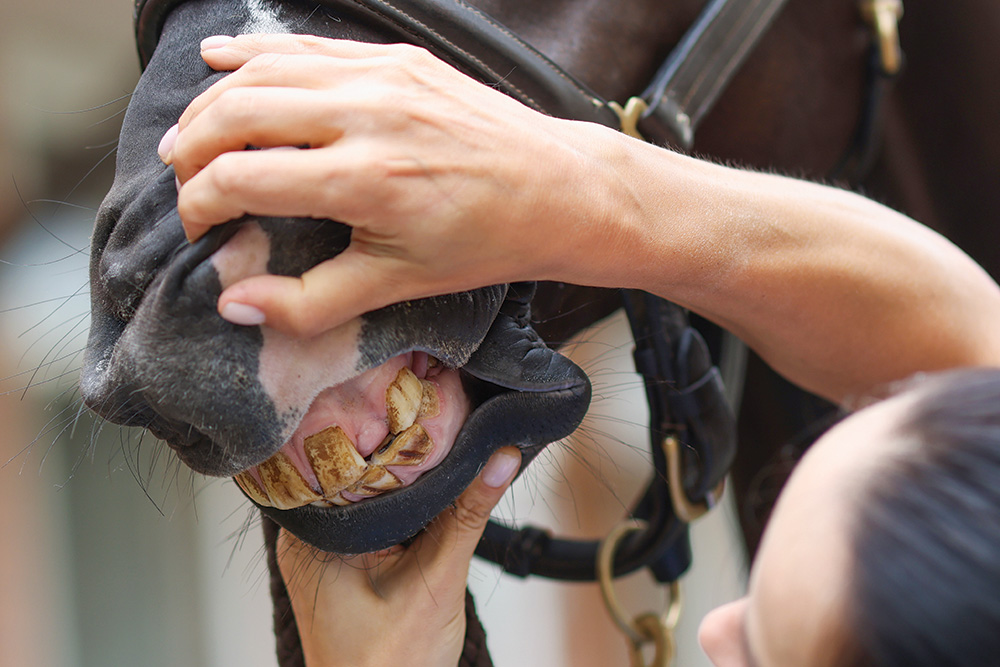
A horse’s mouth is sensitive, and damage can be obvious or much more subtle. Learn what to do to help your horse heal in this article from The Horse’s Fall 2026 issue.