How Can I Get My Picky-Eater Sport Horse to Consume Enough Calories?
Get advice on encouraging a hard-keeper to eat more. The first step? Rule out health problems.

Get advice on encouraging a hard-keeper to eat more. The first step? Rule out health problems.

Researchers caution that more studies are needed to fully understand the effects of antioxidants on equine joint health. Here’s what they know now.

Follow these expert tips to correct common feeding mistakes and improve your horse’s gut health and overall well-being.
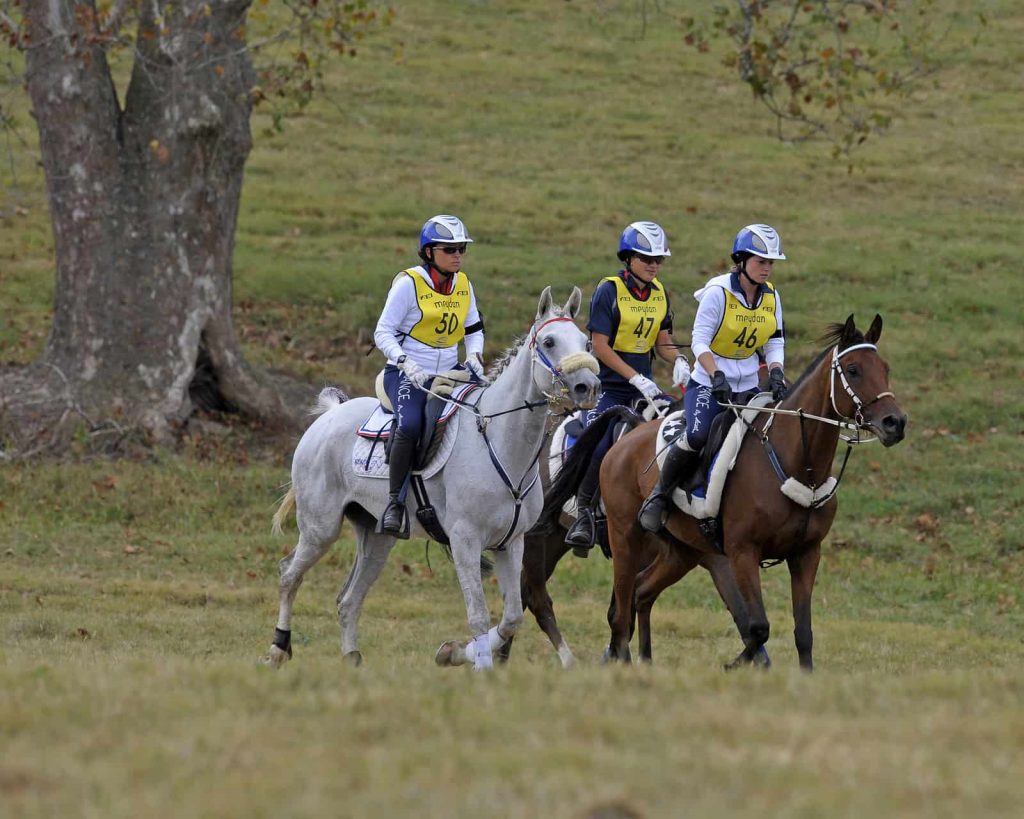
Find out how energy factors into your horse’s diet and the different ways to manipulate it.

Find out how much protein your horse’s diet provides and whether it comes from high-quality sources.

Nutritional evaluations can help you determine whether your horse is consuming a balanced diet.

A nutrition expert offers advice for ensuring free-fed horses don’t overeat hay.

An equine nutritionist explains how horses use dietary fats for energy and why some metabolic horses might need additional fat sources.

If your horse struggles to keep weight on in summer, here’s how to safely increase his calories.
Electrolyte loss through sweat can lead to dehydration, fatigue, and poor recovery. Here’s how to support your horse’s health during work and warm weather.

Find out how antioxidants support your horse’s overall health and how to ensure his diet provides enough of them.
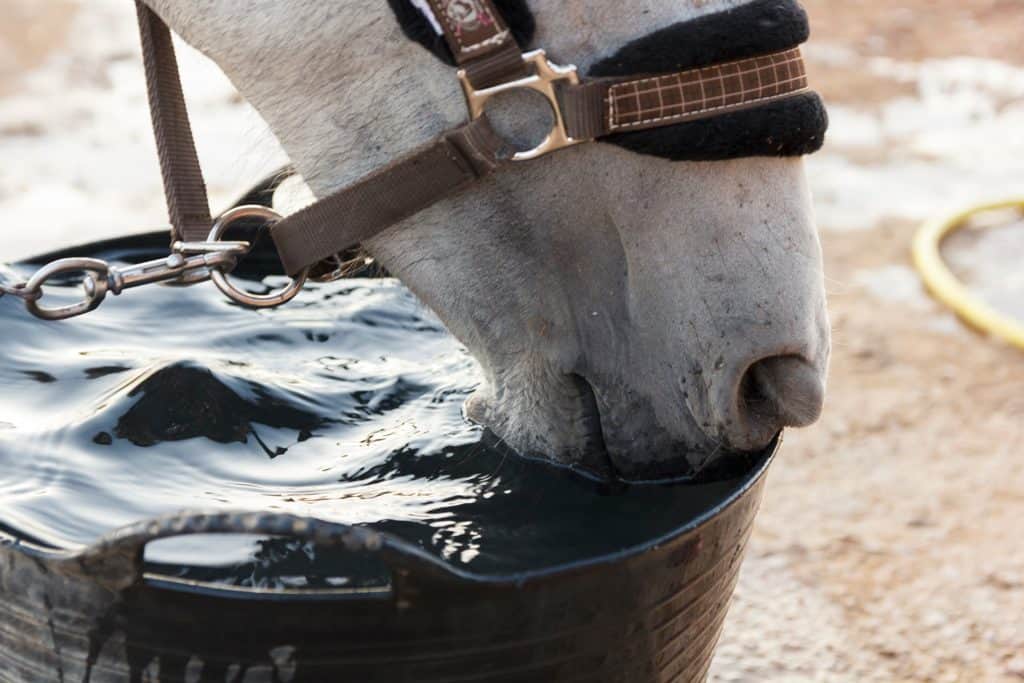
Keeping competition horses well hydrated isn’t always easy. An equine nutritionist offers tips to help prevent dehydration.

Do you know what to do–and just as importantly, what not to do–if your horse displays vague, mild, or serious signs of what might be colic? Your answer could save your horse’s life. Sponsored by Kentucky Performance Products.

Restoring muscle glycogen, rehydrating, and ensuring a horse’s diet offers enough vitamin E all help with recovery after strenuous exercise.

Your horse needs essential nutrients from the diet to stay healthy. An equine nutritionist explains how to meet those needs through proper feeding.

While steeped in tradition, feeding bran mashes can cause GI distress in horses. Learn why, and discover alternatives.