Complementary Therapies in Equine Care: What Horse Owners Need to Know
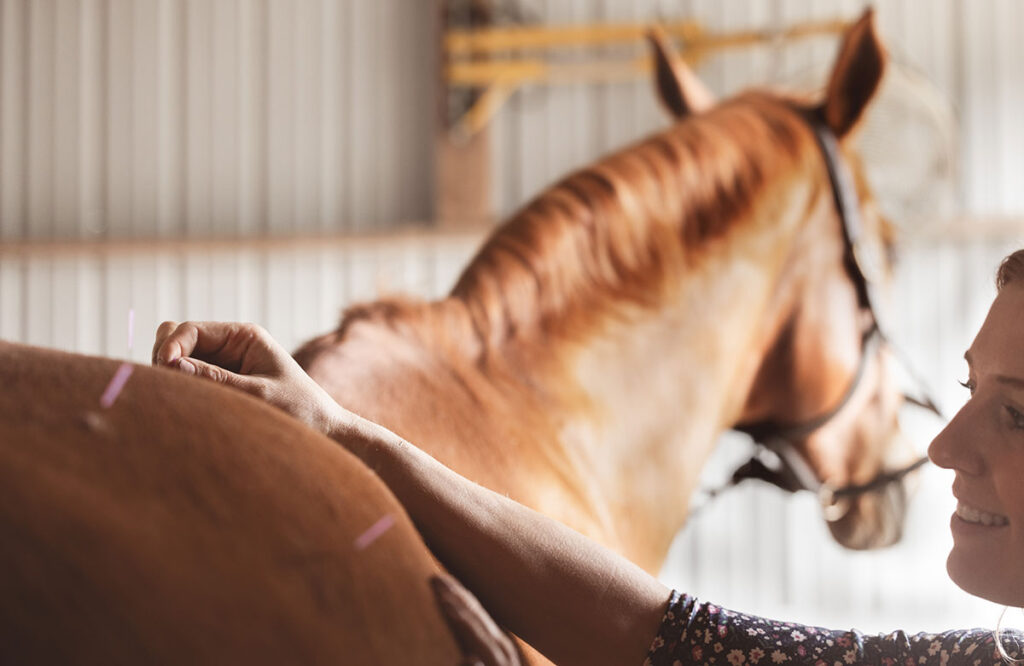
Find out how veterinarians use complementary therapies alongside conventional care to ease pain, aid recovery, and support performance.

Find out how veterinarians use complementary therapies alongside conventional care to ease pain, aid recovery, and support performance.

Research and advancements are improving our understanding of how water exercise benefits both healthy and rehabbing horses.

Discover what issues can affect your horse’s back, sacroiliac joint, and pelvis and how veterinarians address them.

Veterinarians describe 9 common causes of poor performance in horses and what it takes to get a diagnosis.

Learn about 5 reasons for limb swelling in horses, from benign triggers to causes for major concern.

Learn about the superficial digital flexor tendon’s complex anatomy and how veterinarians rehab it when injured.
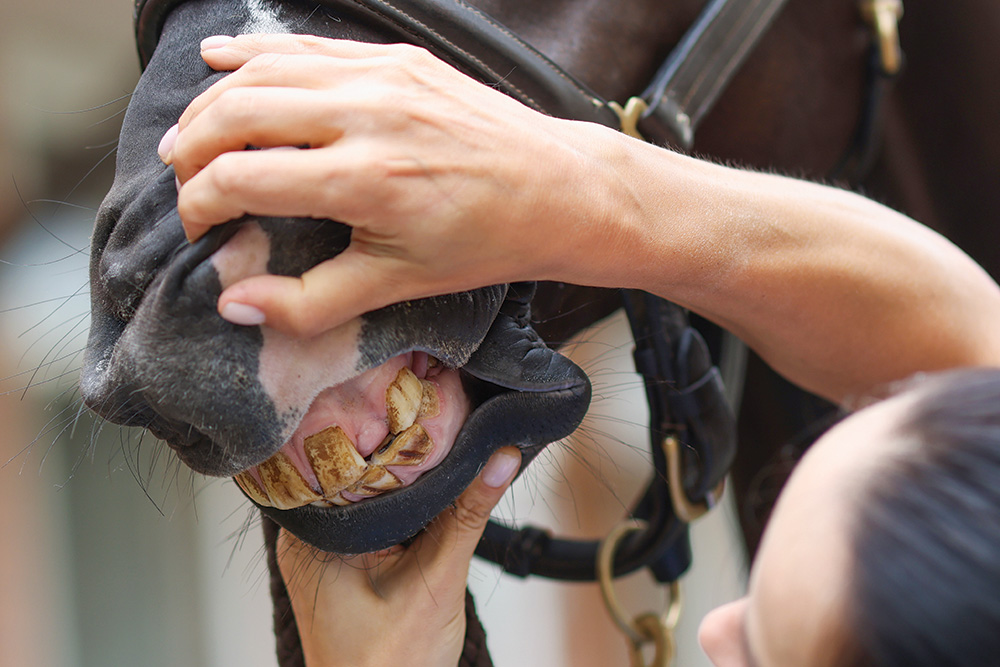
A horse’s mouth is sensitive, and damage can be obvious or much more subtle. Learn what to do to help your horse heal in this article from The Horse’s Fall 2026 issue.

A veterinarian explains why hoof radiographs are important, how to use them, and what role they play in helping your horse feel and move better.

Hock arthritis can cause poor performance and lameness in horses. Learn how to manage your horse after a diagnosis of this common condition.

Could supplements or physical therapy help keep a horse with degenerative suspensory ligament disease sound?
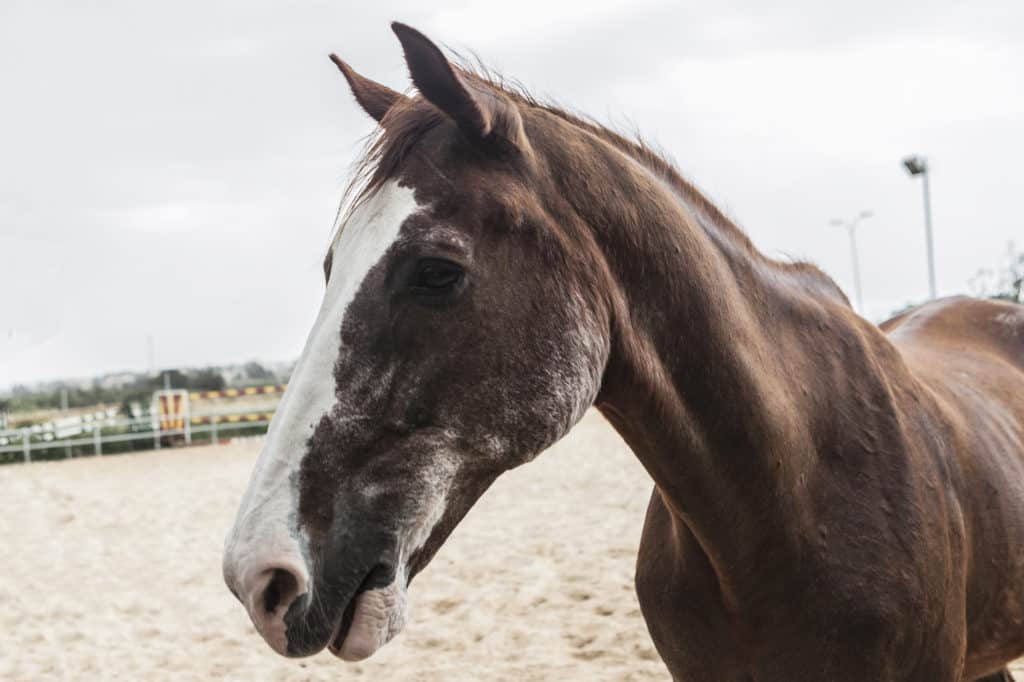
Find out if keeping a senior horse turned out can help reduce joint pain.

Back pain in horses can be challenging to overcome, but you can address and prevent it with diligent management and rehabilitation.

The footing under your horse’s feet can affect his overall soundness. Find out what scientists know about footing and its connection to lameness and other health issues.
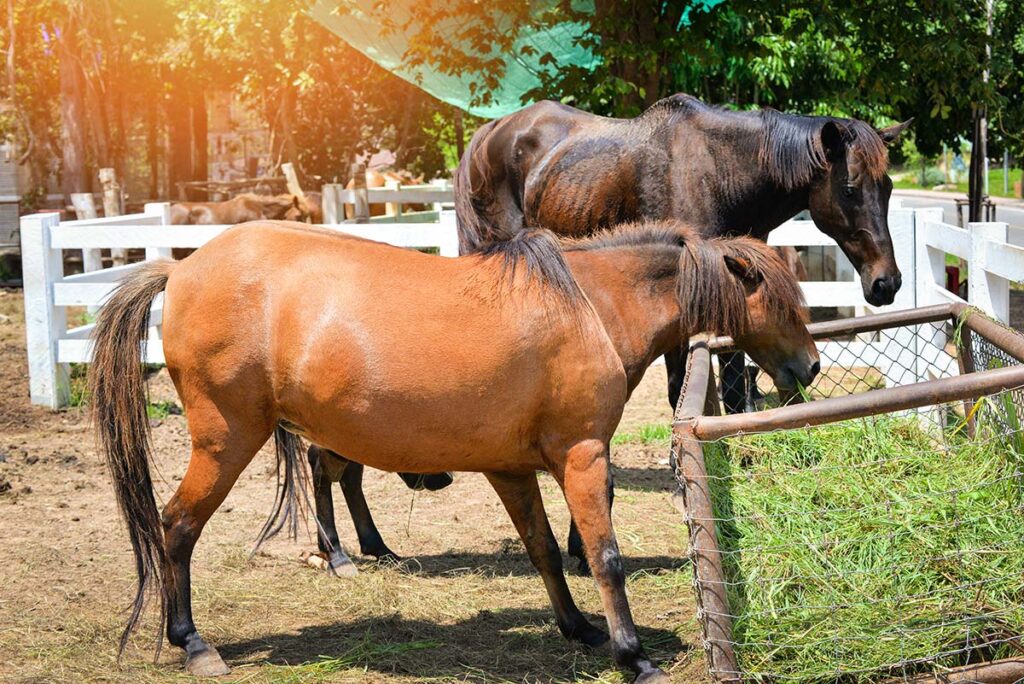
Managing chronic laminitis in horses calls for a proactive approach.
Arthritis-related lameness can range from subtle slowing to obvious limping. Veterinary evaluation helps guide management to keep horses comfortable.

Watch for signs of these 5 health conditions when you’re trying a horse to buy, and talk to your veterinarian about any concerns.