10 Things to Consider When Managing Back Pain in Horses
Back pain in horses can be challenging to overcome, but you can address and prevent it with diligent management and rehabilitation.

Back pain in horses can be challenging to overcome, but you can address and prevent it with diligent management and rehabilitation.
Managing chronic laminitis in horses calls for a proactive approach.

Arthritis-related lameness can range from subtle slowing to obvious limping. Veterinary evaluation helps guide management to keep horses comfortable.
Pain in senior horses often develops gradually, so owners might mistake subtle changes for normal aging. Learn to recognize the signs before they become more serious.

Quick fixes can miss the real cause. Instead, pursue an accurate diagnosis to better manage and rehab horses with back pain.

Learn about the challenges and unique needs of school horses and how to keep them sound for the long haul.

Read about how veterinarians incorporate therapies such as acupuncture and PEMF to help your horse feel his best.
Here’s how veterinarians track osteoarthritis progression in horses as they age and how often your horse should be reevaluated.
Dr. Howland Mansfield describes the physical and behavioral changes owners might see in their horses as osteoarthritis progresses.
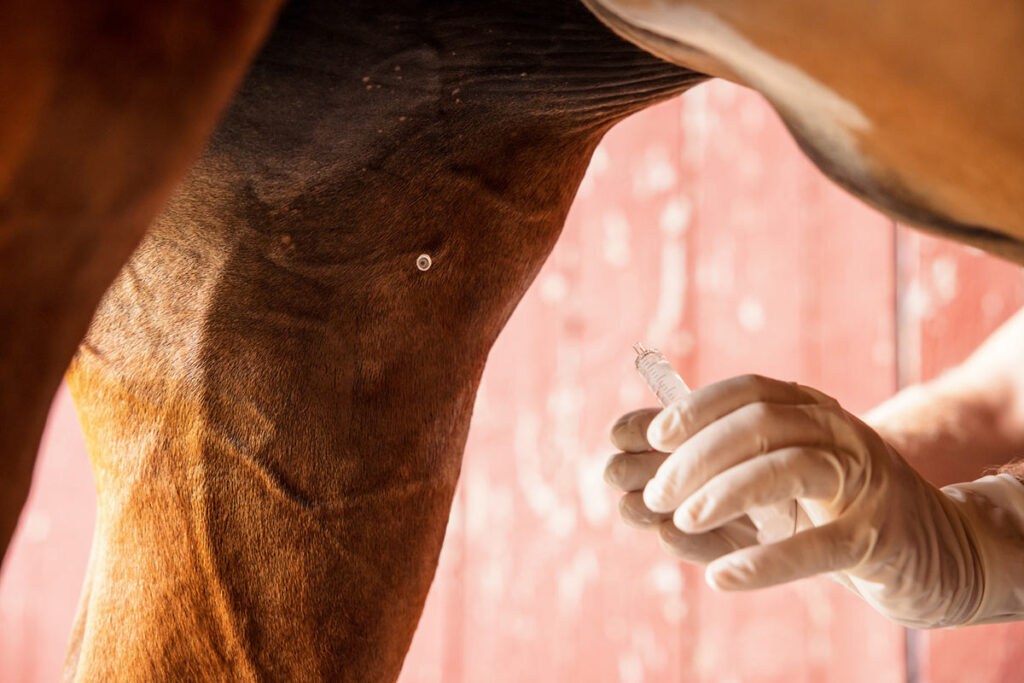
In this podcast excerpt Dr. Beau Whitaker explains how veterinarians choose the right joint injection product for each horse.

In this podcast excerpt Dr. JD Conway explains how veterinarians might be able to slow the progression of equine joint disease.

Here’s how one veterinarian manages horses diagnosed with navicular syndrome to keep them comfortable in a performance career.

A look back at what scientists have recently learned about pain management in horses.

If your horse is acting naughty when handled or ridden, he might be trying to avoid pain somewhere in his body.
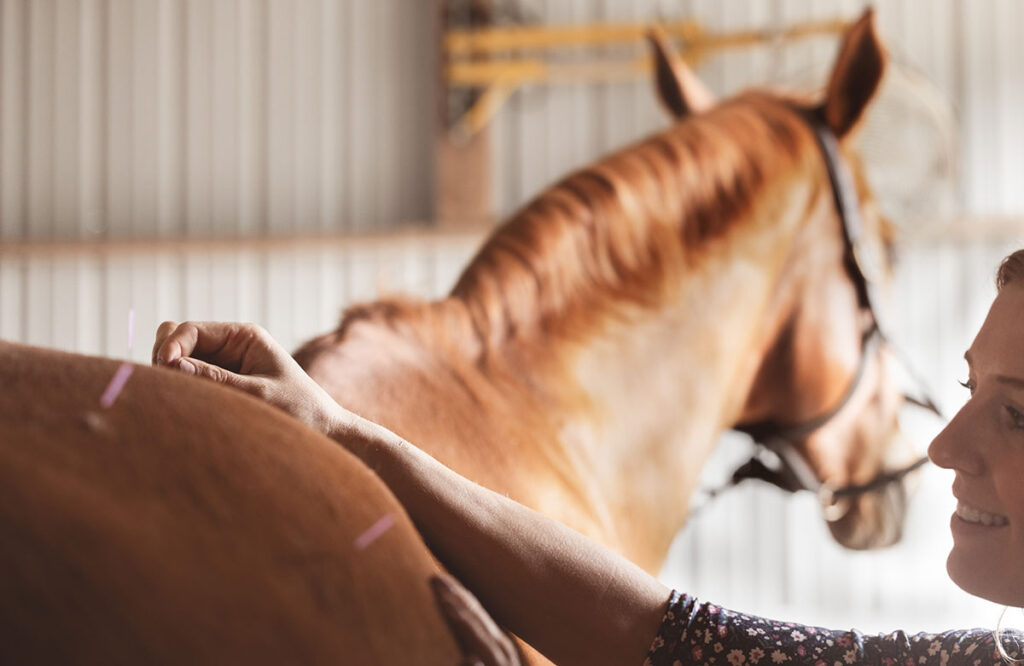
Veterinarians use complementary therapies alongside conventional care to ease pain, aid recovery, and support performance. Read more in The Horse‘s Winter 2025 issue.

In this podcast excerpt Dr. Nathan Canada details approaches to long-term management and treatment of kissing spines in horses.