Feeding Picky Metabolic Horses
A researcher describes the importance of low-NSC diets for horses with metabolic problems and gives 3 tips for helping metabolic picky eaters gain weight.

A researcher describes the importance of low-NSC diets for horses with metabolic problems and gives 3 tips for helping metabolic picky eaters gain weight.
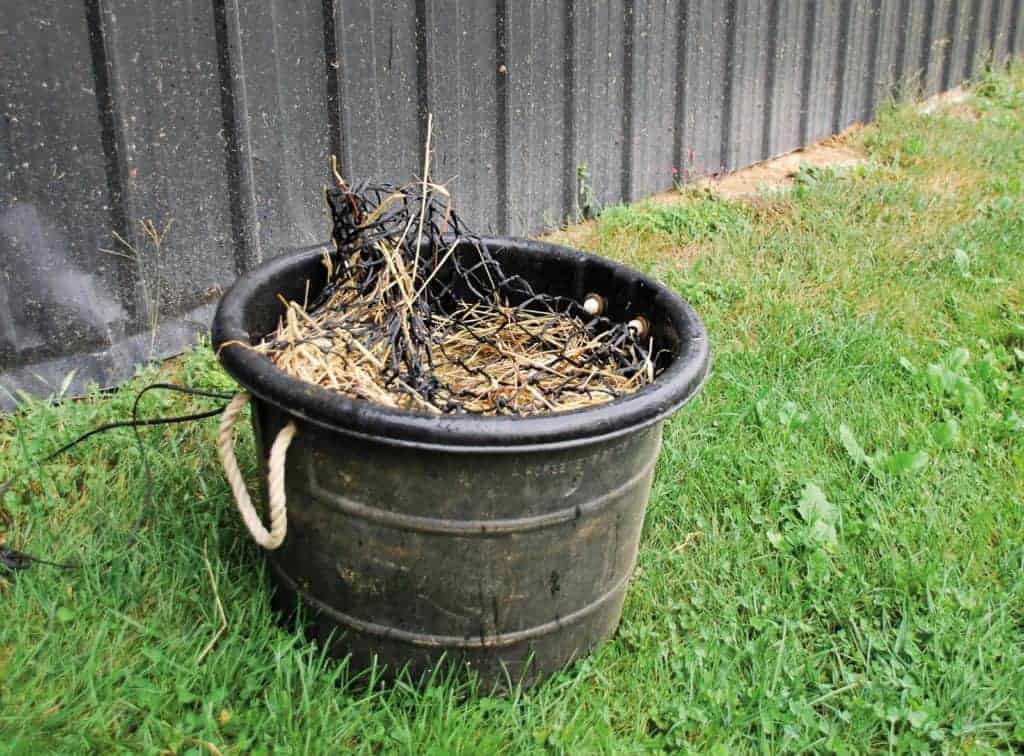
Hay soaking can help horses with equine metabolic syndrome, but owners should understand how it might affect the rest of the diet.

Dr. Nancy Diehl addresses a question about why a mare might respond differently to training after having her first foal.
Here’s why equine metabolic syndrome can affect horses with a healthy body condition and how you can monitor and manage these animals.
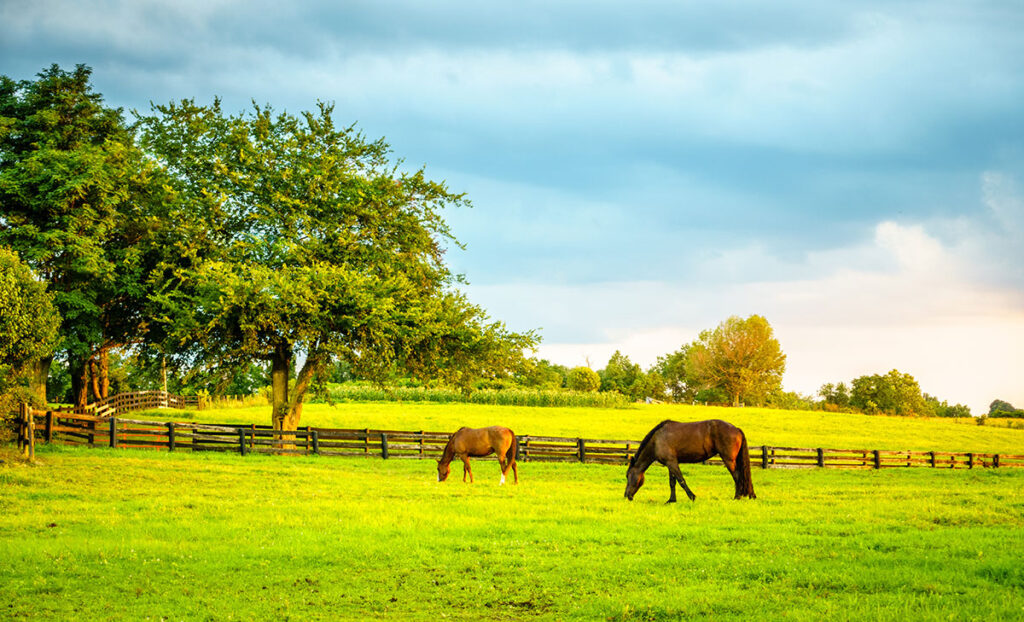
An equine nutritionist explains her approach for a group of horses needing a low-sugar diet that still spend time on pasture.

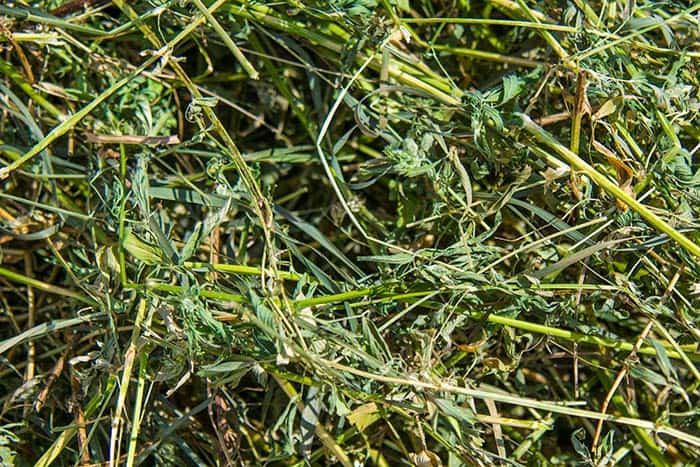
Researchers have shown feeding horses alfalfa prior to riding can help buffer stomach acid and offers relief for ulcer-prone horses. But is hay or a pellet better?

Do you struggle to get pills into your horse? A nutritionist offers advice and some precautions.

An equine nutritionist explains how to address common nutrition challenges when feeding horses with the dental condition EOTRH, before and after surgery.
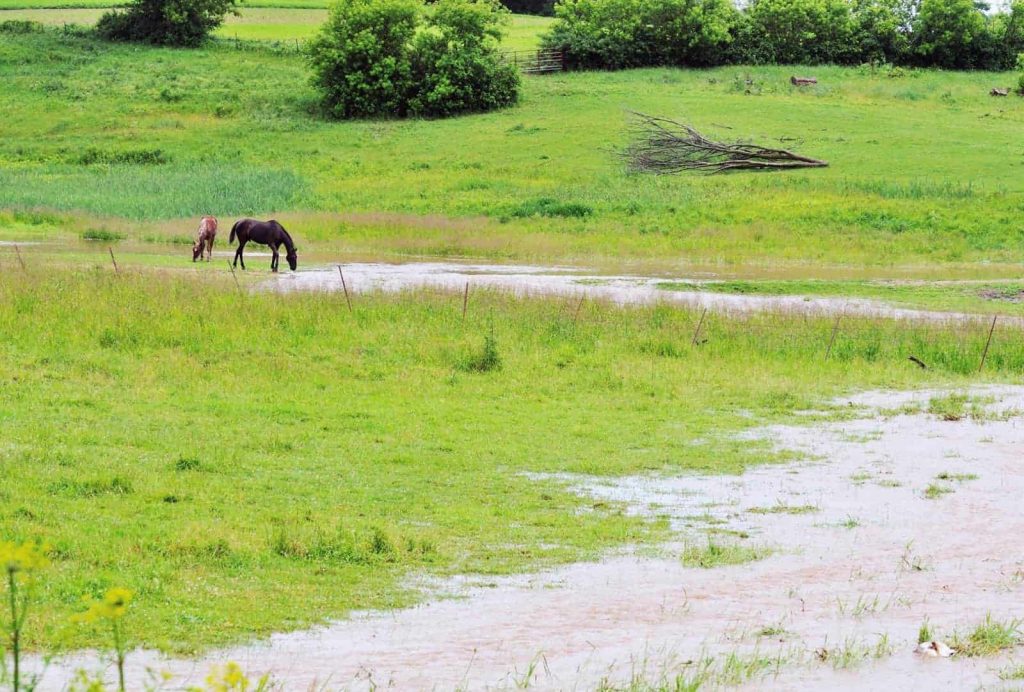
These practical strategies can help property owners manage runoff, reduce mud, and avoid common horse health issues in wet, flood-prone conditions.

Do you have a horse with flaky skin and a dry mane and tail? The right feed might help.

Careful dietary management helps horses with EMS stay in work while reducing laminitis risk.
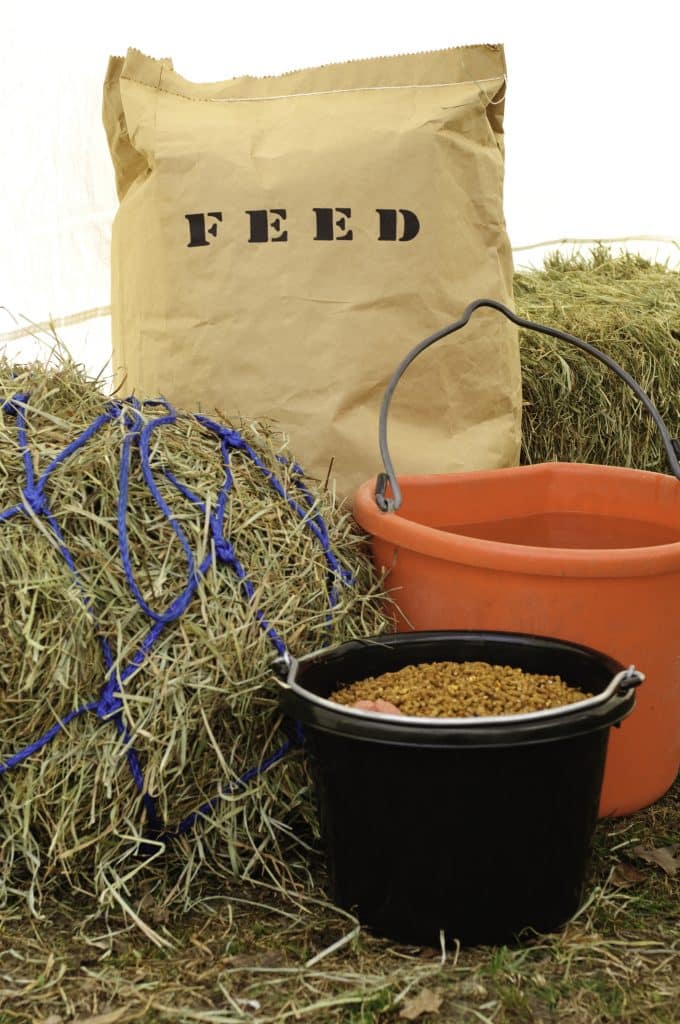
An equine nutritionist breaks down nutrition terms and acronyms, including NSC, WSC, and ESC. Understanding these concepts can help you manage horses with metabolic problems.

Find out how your horse’s diet could support shedding and his incoming summer coat.
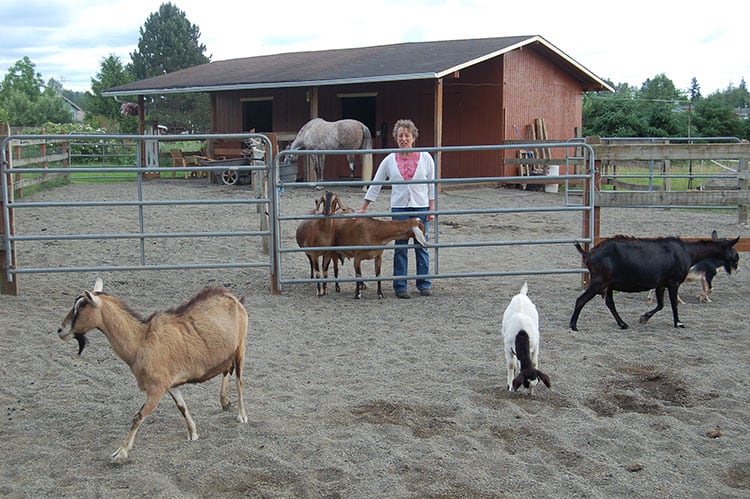
Are your horses bored during the winter and early spring months? One farm owner offers ideas to keep them entertained.

An owner’s doctor is reluctant to give her joint injections too often, but her horse gets them every six months. Is that cause for concern?
An equine nutritionist outlines dietary adjustments to consider when managing gastric ulcers.