Protected: Is Your Horse’s Diet Really Balanced?
There is no excerpt because this is a protected post.

There is no excerpt because this is a protected post.
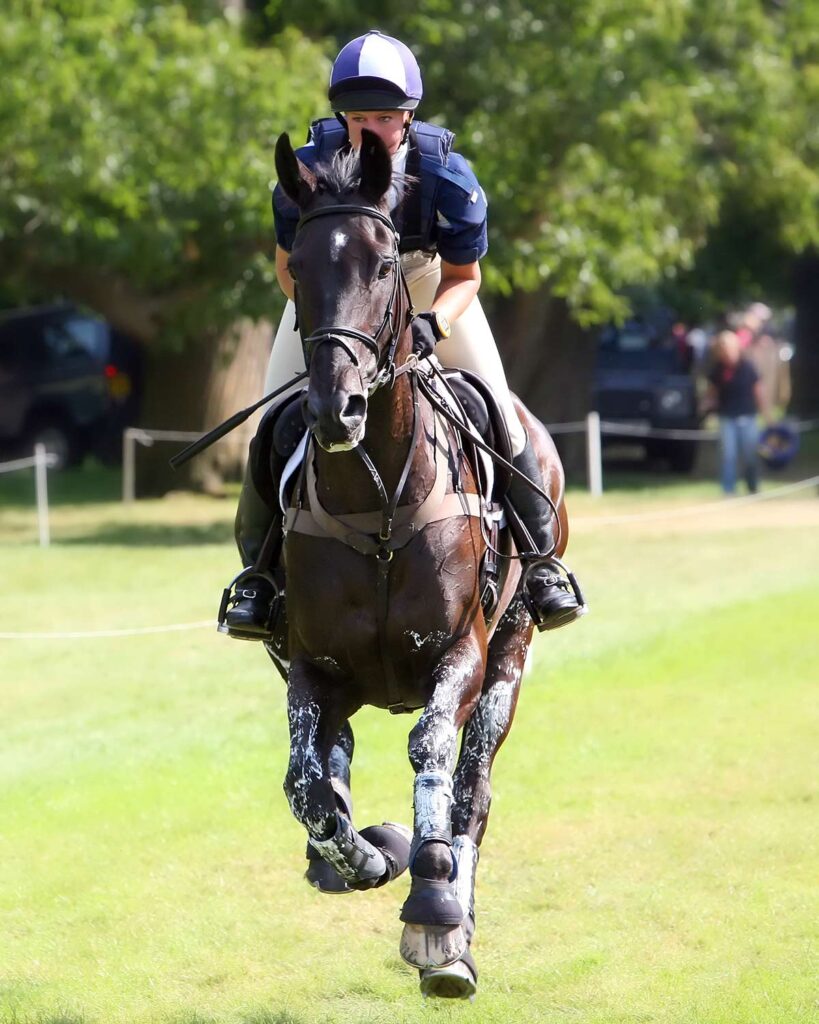
Hard work can increase oxidative stress in horses. Learn how antioxidants such as vitamin E, selenium, and polyphenols help protect cells.
Pasture and hay sometimes cannot provide all the nutrition your horse needs. Here’s where targeted ration balancers or vitamin/mineral supplements can help.

Watch this webcast to learn more about equine herpesvirus strains, clinical signs of infection, and potential effects on horses. Sponsored by Boehringer Ingelheim.

Respiratory support starts with air quality, forage management, and veterinary guidance. Supplements can play a useful role but work best as one part of the plan.

Thin horses might need more than extra calories. Identifying whether the issue is energy intake, digestion, appetite, or muscle development can guide supplement selection.

Airborne pathogens can contribute to disease spread in equine hospitals. Learn how Synexis DHP® technology supports indoor biosecurity.

Here’s how to combat 5 common problems with horse wound healing and determine if the wound warrants a visit from your veterinarian.
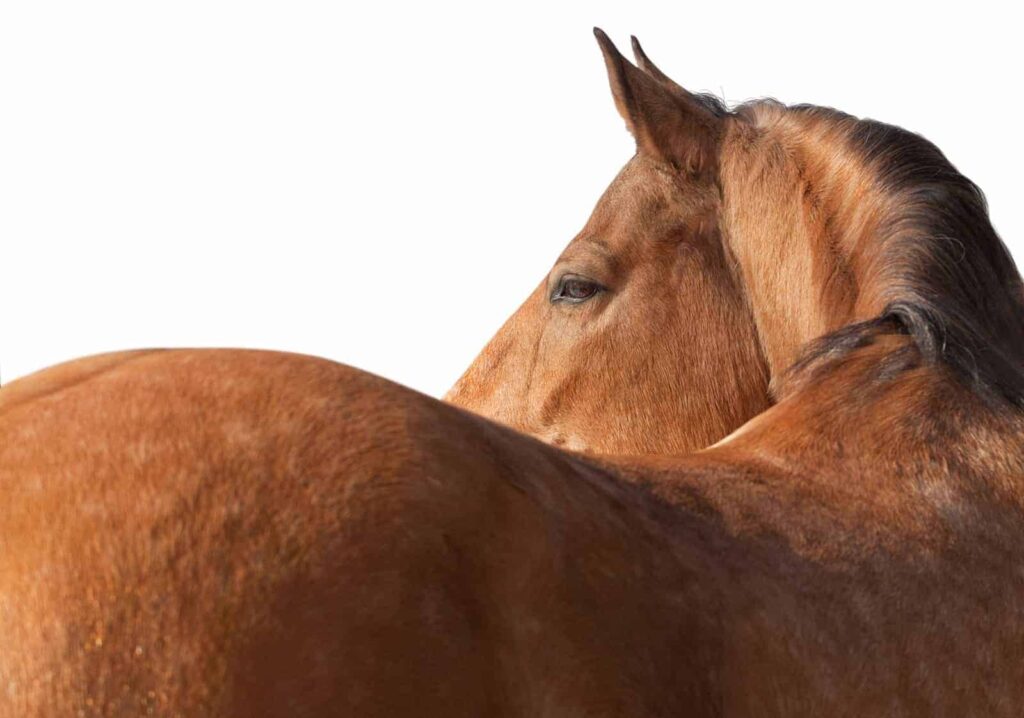
A hollow back or fading muscle over the loin is not always a supplement problem. Here’s what you can learn from your horse’s topline.
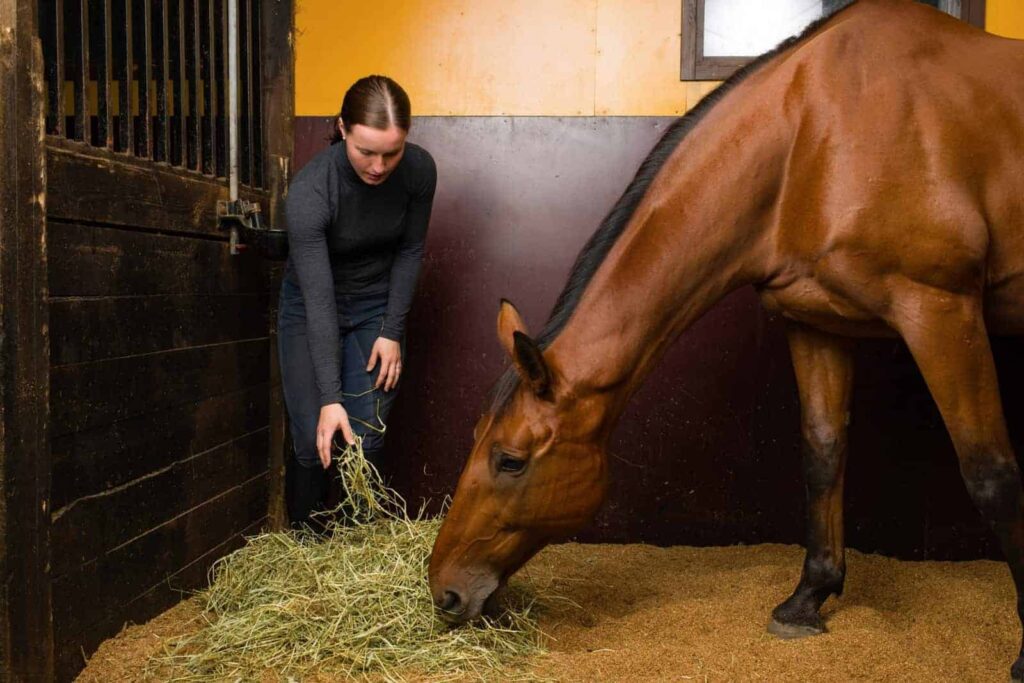
Adding this expert to your horse’s health team can be game-changing. Here’s why.

Travel, stress, forage changes, and competition schedules can all disrupt a horse’s gut health. Learn how digestive support might help.

Subtle joint inflammation can limit performance before lameness appears. Learn how to recognize early stress and support active horses in training.
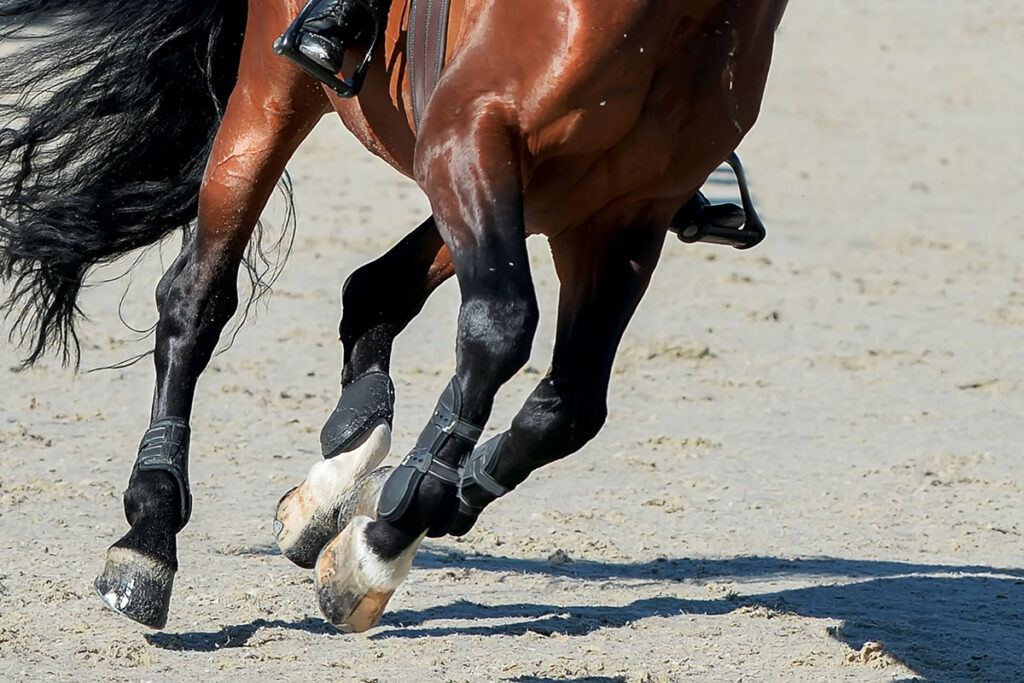
Why early, sustained joint support is increasingly central to performance-horse management—and where 4CYTE™ Epiitalis® Forte fits in.
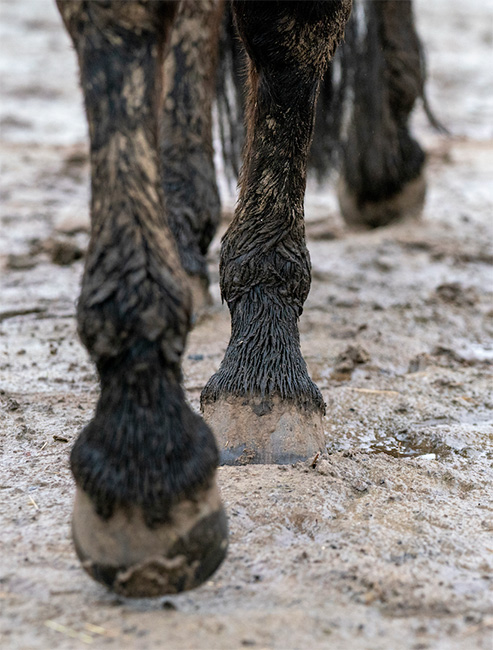
An essential part of any grooming routine is staying alert to conditions that can compromise dermatological health.
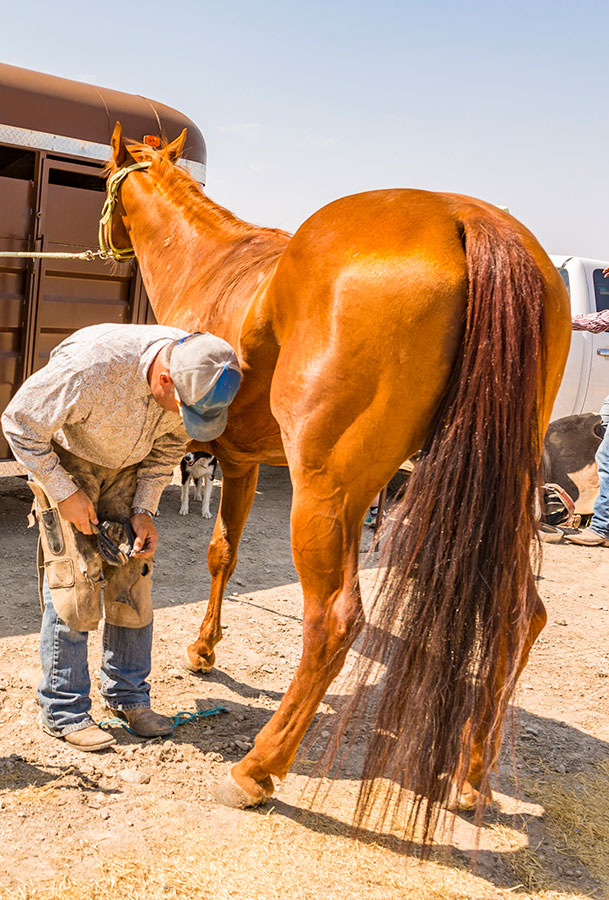
Genetics aren’t destiny when it comes to hoof quality. Here’s how diet, exercise, and a few specific measures can transform even the weakest feet.
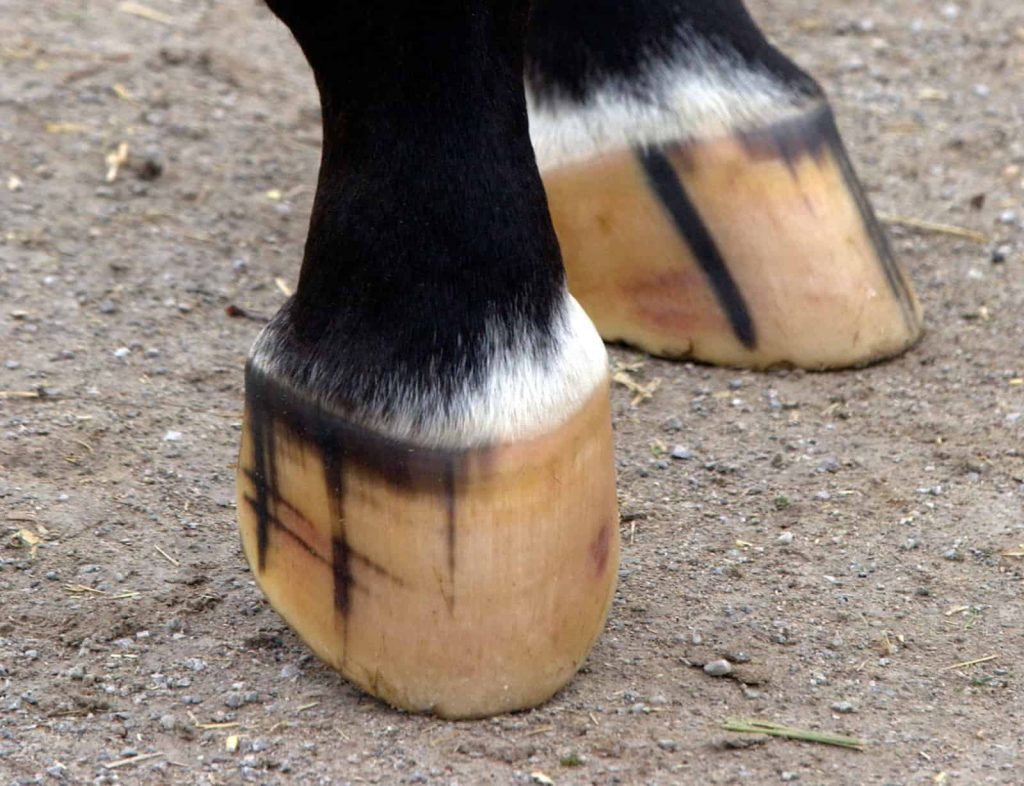
Hoof quality problems often stem from nutritional imbalances, not just farrier care. Balanced diets help support hoof growth, structure, and long-term soundness.