Why Vitamin E Matters: Protecting Horses from Neuromuscular Disease
Learn about the role of vitamin E in maintaining neuromuscular health in horses. Sponsored by Kentucky Performance Products.

Learn about the role of vitamin E in maintaining neuromuscular health in horses. Sponsored by Kentucky Performance Products.
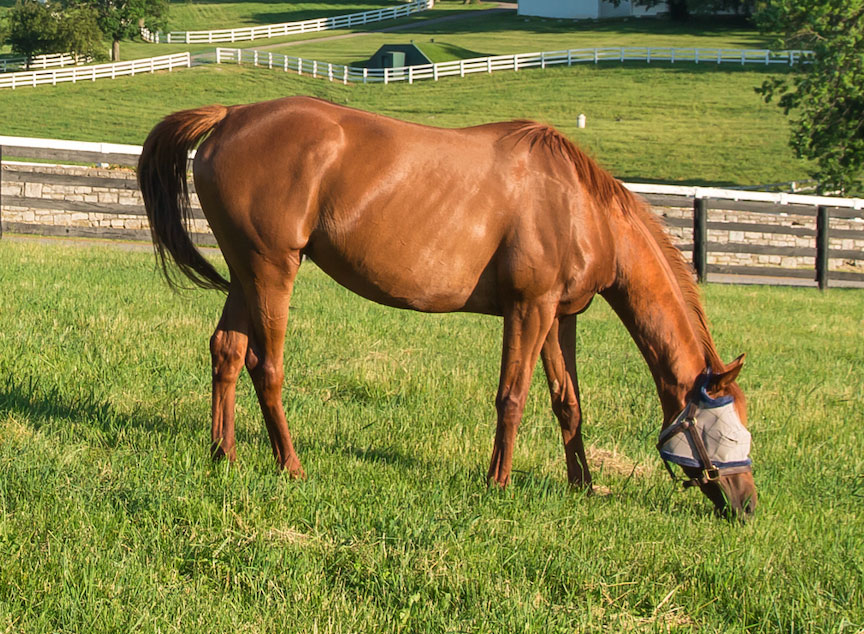
Insecticides and repellents can’t do all the work of controlling insects. Instead follow these simple guidelines to protect your horse from flies and other pests.

Here’s how to feed your horse smarter to improve his performance and overall health.
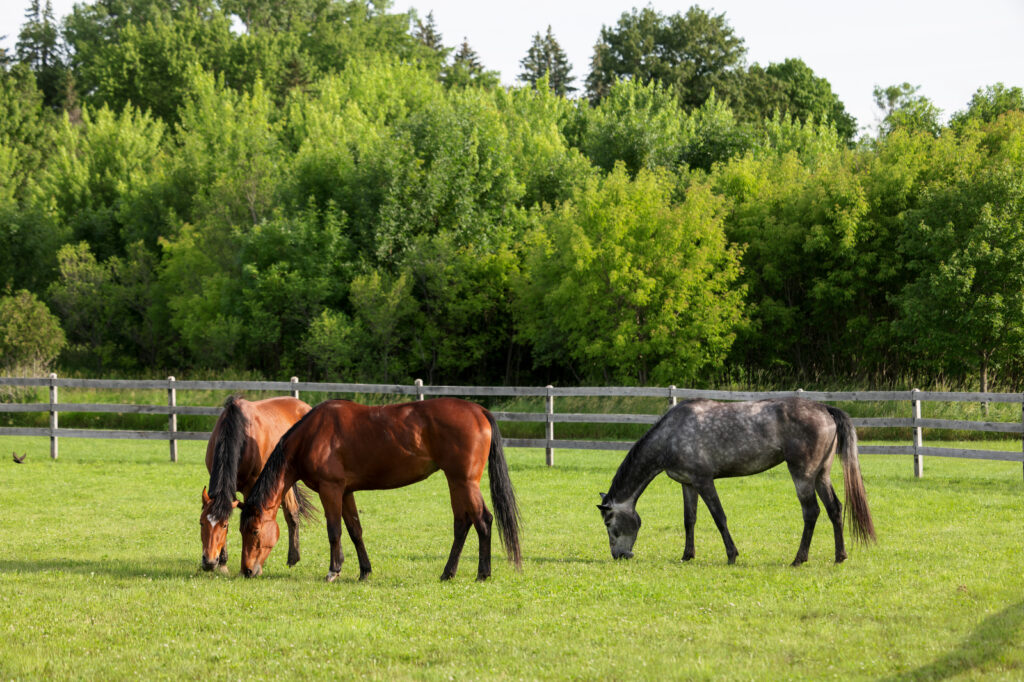
Many horses fall short on key nutrients despite adequate feeding. These gaps can affect hoof quality, recovery, and overall health.
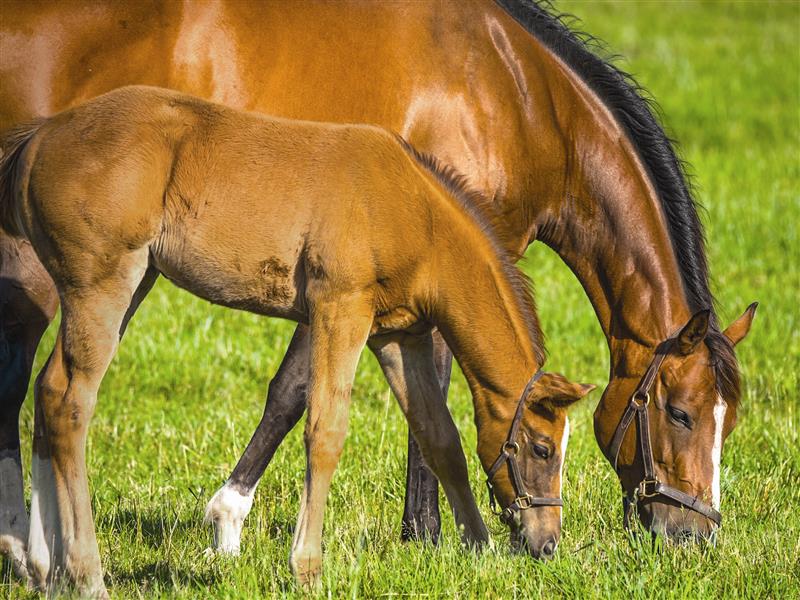
New research explores how oral resveratrol can support uterine immune resolution in hard-to-breed mares by targeting inflammation after breeding.

Pituitary pars intermedia dysfunction is one of the most common conditions in older horses—and one of the most treatable. Here’s what you need to know.
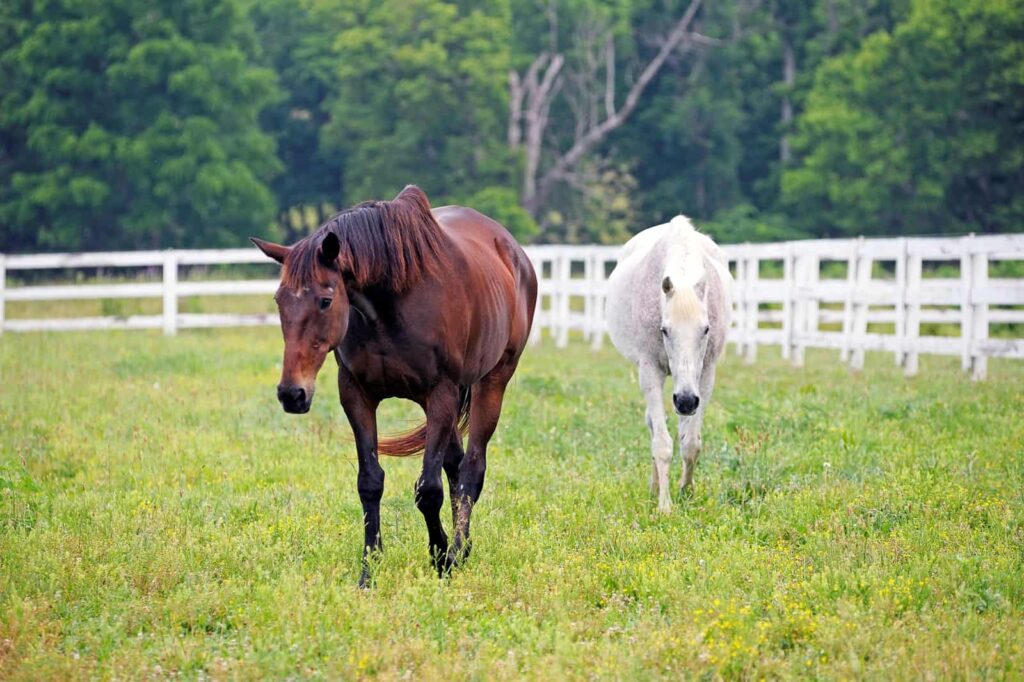
Simple management changes can help keep senior horses with osteoarthritis comfortable and active.

Feeding weanlings through early training requires careful balance to support steady growth, proper mineral ratios, and sound development without overfeeding.
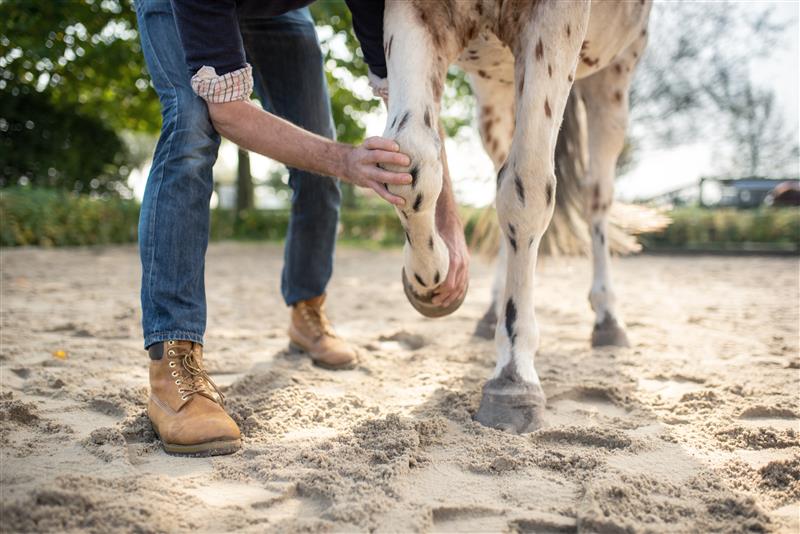
Here’s how veterinarians stage, diagnose, and treat equine osteoarthritis, and how they communicate with clients about joint disease in horses.
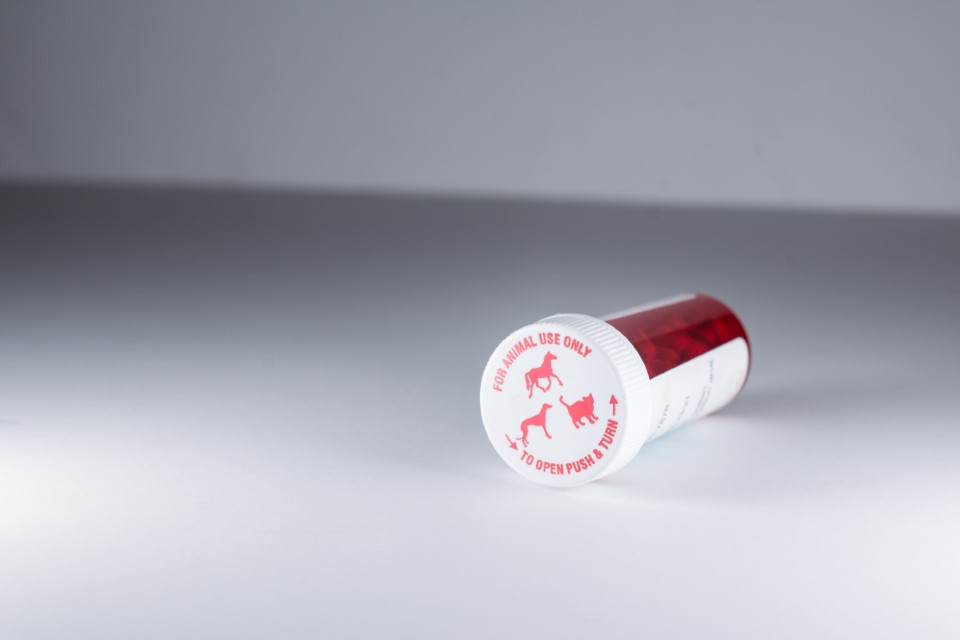
Understanding how these drug categories are regulated can give horse owners greater confidence in the safety, efficacy, and reliability of the medications their veterinarians prescribe.
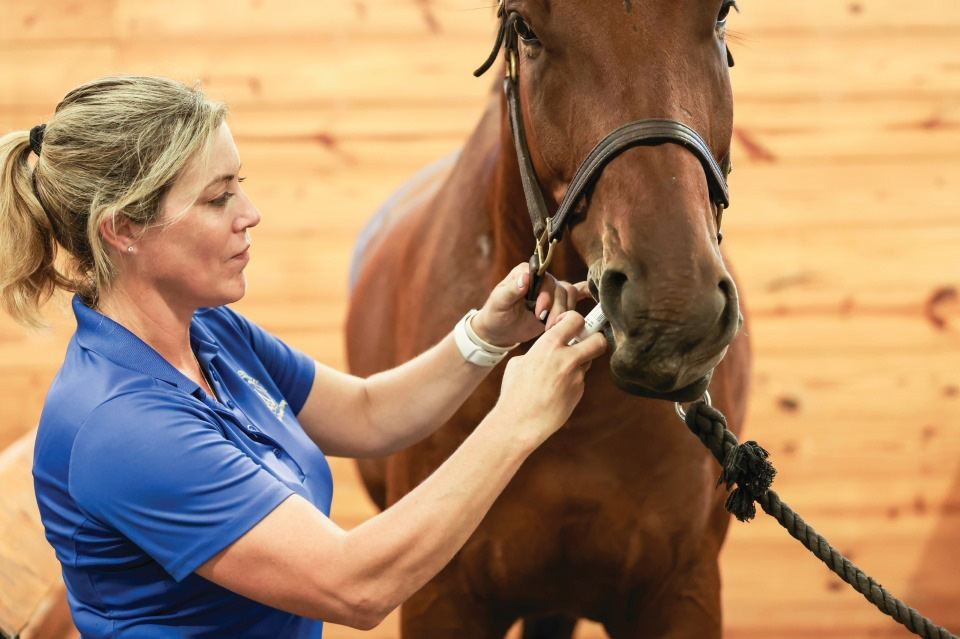
Firocoxib offers clinical efficacy comparable to phenylbutazone and flunixin meglumine but with a better safety profile.
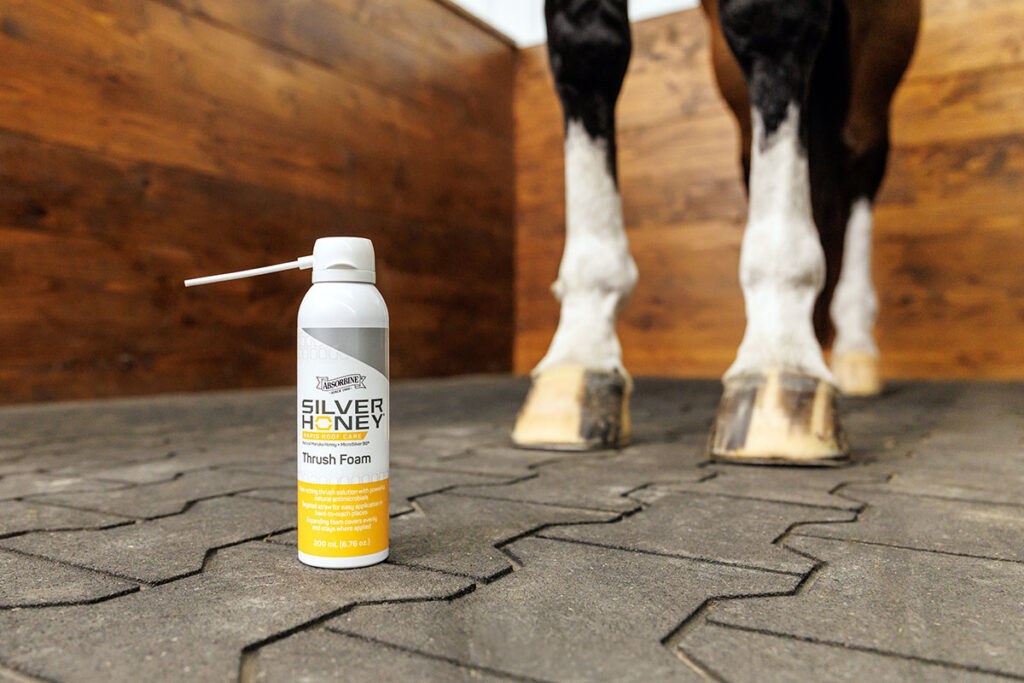
Learn how thrush develops in horses, the signs to watch for, and treatment strategies that support both healing and responsible antimicrobial use.
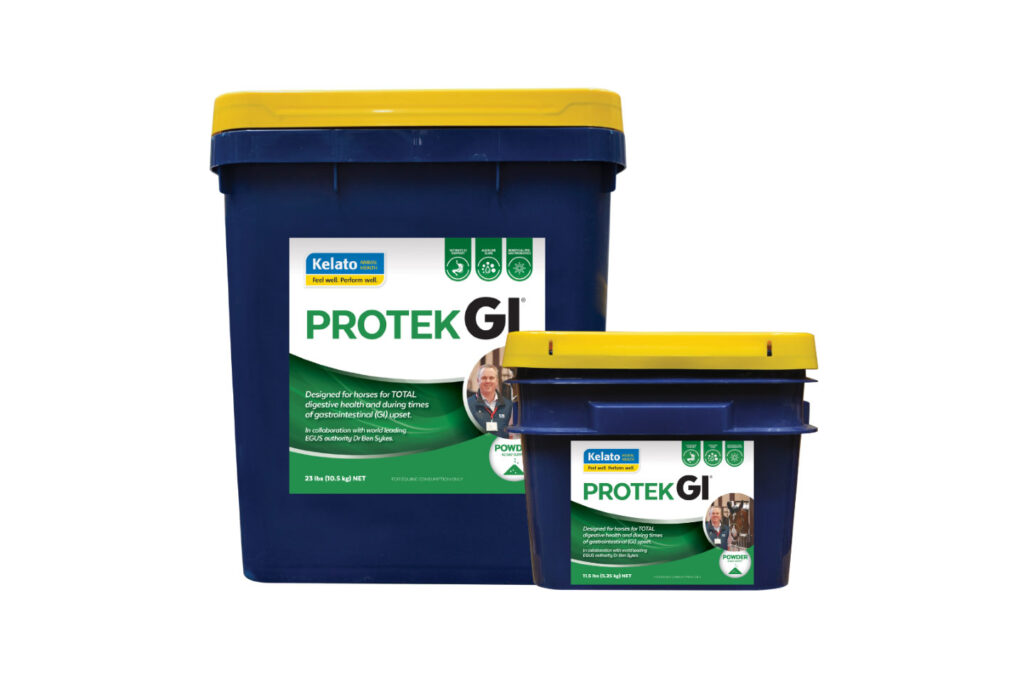
PROTEK GI redefines equine gastric ulcer management with proven foregut and hindgut support.
Arthramid® 2.5% iPAAG is reshaping joint care by restoring synovial health, with new research set to expand evidence through 2025.

Fall’s mud and moisture can lead to horses developing painful pastern dermatitis, better known as scratches. Learn how to spot, prevent, and treat this common skin issue.

Five veterinary experts discuss the latest in diagnosing, treating, and preventing equine gastric ulcers in this roundtable. Sponsored by Boehringer Ingelheim.