Laminitis is one of the most devastating conditions affecting modern horses and a major concern for owners of horses diagnosed with equine metabolic syndrome (EMS).
Characterized by insulin dysregulation and obesity, EMS is a complex metabolic and endocrine disorder associated with an increased risk of laminitis. Elevated insulin levels in EMS horses can lead to inflammation of the sensitive laminae of the hoof, which suspend the coffin bone inside the hoof capsule. In severe cases the pain and irreversible damage caused by laminitis make euthanasia necessary.
Modern management practices, such as high-starch diets, prolonged stall confinement, and limited exercise, have all contributed to the rising prevalence of EMS and growing concern about laminitis. While veterinarians have no cure for this metabolic condition, management changes and targeted nutritional support can significantly help reduce the risk of laminitis in EMS horses.
Here are six science-backed tips to help protect your horse.
1. Reduce NSC Intake
Controlling the intake of nonstructural carbohydrates (NSCs) is critical when you’re managing horses with EMS. Nonstructural carbohydrates are simple sugars and starches that the horse readily digests in the small intestine. Researchers have suggested high-NSC diets can lead to spikes in blood glucose and insulin levels, which are strongly associated with an increased risk of laminitis.
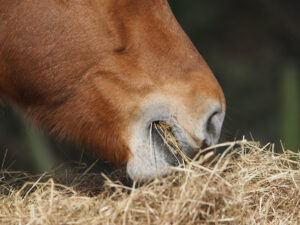
Forage should be the foundation of your horse’s diet. Look for hay with a tested NSC below 10-12%. Consider soaking hay in cold water for at least 60 minutes to reduce NSC content, making sure to discard the soak water when you’re done.
Use a low-NSC ration balancer or a vitamin and mineral supplement formulated for EMS horses to balance a forage-based diet safely. Avoid feeding high-starch grains and sweet feeds. Instead, opt for fiber-based alternatives as supplement carriers, such as soaked beet pulp with no added molasses.
Work with a qualified equine nutritionist when formulating a new diet and consider getting a forage analysis of your hay to ensure your EMS horse’s diet is suitable for him.
2. Restrict Pasture Access
Pasture grass is naturally high in starch and sugars, making unrestricted grazing unsafe for most EMS horses. You should carefully manage or restrict grazing, especially during times when pasture grass contains elevated levels of NSCs, such as spring or fall.
Without proactive pasture and grazing management, EMS horses remain at risk for developing pasture-associated laminitis. Survey studies indicate many laminitis cases occur in horses and ponies kept on pasture.
However, all horses need adequate daily turnout to support their mental and physical health. Dry lots serve as excellent alternatives to pasture for turning out EMS horses. If you keep your horses on dry lots, use a slow feeder to ensure they have free-choice access to low-NSC hay.
If you don’t have access to a dry lot, use strip grazing or a grazing muzzle to help reduce pasture grass intake.
3. Monitor Body Condition
Not all EMS horses become obese, but researchers have found strong associations between obesity and both insulin resistance and laminitis risk. Managing body condition remains one of the most effective ways owners can help reduce that risk.
Most horses with EMS gain weight easily when consuming excess calories. In addition to general obesity, EMS horses often also have localized fat deposits. Abnormal fat accumulation around the neck, shoulders, and tail head might signal horses at a higher risk of insulin dysregulation and laminitis.
Aim to maintain a body condition score (BCS) between 4 and 6 on the 9-point scale. Veterinarians and nutritionists consider horses with a BCS score of 7 or above as obese.
Unwanted weight gain could indicate the horse needs dietary adjustments. Work with your veterinarian and an equine nutritionist to reduce calories without compromising nutrition.
4. Implement an Exercise Routine
Effective exercise programs can also help manage EMS and reduce the risk of laminitis. In addition to promoting weight loss, exercise also improves insulin sensitivity and supports healthy circulation.
Researchers have found insulin-dysregulated horses show significant improvements in glucose metabolism after a period of controlled exercise. When horses stay confined for prolonged periods with limited exercise, the risk of insulin dysregulation increases.
When creating an exercise program for horses with a history of laminitis, always consult a veterinarian to avoid exacerbating existing inflammation or inadvertently causing further pain. Horses recovering from active laminitis need veterinary clearance before beginning an exercise program.
5. Provide Nutritional Support for Metabolic Health
Many EMS horses benefit from additional targeted nutritional support for their metabolic health.
Emerging research highlights the potential role of specific amino acids and antioxidants in promoting healthy metabolic function, body weight, hooves, and insulin sensitivity in EMS horses.
- Arginine: This amino acid is a precursor to nitric oxide, which supports healthy blood flow and hoof circulation.
- Glycine and Serine: These amino acids support the production of key enzymes that regulate healing, body weight, metabolism, and insulin levels.
- Methionine: This sulfur-containing amino acid is essential for hoof growth and integrity.
- Resveratrol: This plant-derived polyphenol is a powerful antioxidant that helps optimize metabolic function and supports a healthy inflammatory response.
- Hesperidin and Diosmin: These natural flavonoid antioxidants support healthy weight by optimizing fat metabolism.
After formulating a balanced diet, incorporating these ingredients under veterinary guidance can enhance a comprehensive EMS management plan to reduce the risk of laminitis.
6. Work With Your Veterinarian
Equine metabolic syndrome involves several influencing factors, so work closely with your veterinarian to develop a clear, effective management plan.
Some horses with EMS might not exhibit obvious clinical signs, so regular examinations and diagnostic testing remain crucial. Evaluating insulin levels after dietary or management changes helps your veterinarian tailor modification recommendations for your horse. Your veterinarian can also advise you on whether you need pharmaceuticals to manage your horse’s disorder.
Hoof radiographs can help detect early signs of laminitis in horses with EMS. Radiographs can also help monitor progression of the disease, based on changes in coffin bone rotation, sinking, or bony alterations. Consider having your veterinarian take baseline radiographs when your horse is healthy and sound so changes are easy to spot using comparison X rays.
Take-Home Message
While EMS horses have a significantly increased risk of developing laminitis, proper management strategies and nutritional support can help owners prevent this devastating condition, enabling their horses to lead healthier lives. Work with your veterinarian and equine nutritionist to develop a personalized diet, exercise, and management plan that supports metabolic function and minimizes the risk of laminitis in your EMS horse.
References
- Carslake HB, Pinchbeck GL, McGowan CM. Equine metabolic syndrome in U.K. native ponies and cobs is highly prevalent with modifiable risk factors. Equine Vet J. 2021;53(5):923–934.
- de Laat MA, Sillence MN, Reiche DB. Phenotypic, hormonal, and clinical characteristics of equine endocrinopathic laminitis. J Vet Intern Med. 2019;33(3):1456–1463.
- de Laat MA, et al. Incidence and risk factors for recurrence of endocrinopathic laminitis in horses. J Vet Intern Med. 2019;33(3):1473–1482.
- Geor RJ. Pasture-Associated Laminitis. Vet Clin North Am Equine Pract. 2009;25(1):39–50.
- Siard MH, et al. Effects of polyphenols including curcuminoids, resveratrol, quercetin, pterostilbene, and hydroxypterostilbene on lymphocyte pro-inflammatory cytokine production of senior horses in vitro. Vet Immunol Immunopathol. 2016;173:50–59.