Advancing Joint Health Across Species
Arthramid® 2.5% iPAAG is reshaping joint care by restoring synovial health, with new research set to expand evidence through 2025.

Arthramid® 2.5% iPAAG is reshaping joint care by restoring synovial health, with new research set to expand evidence through 2025.

Fall’s mud and moisture can lead to horses developing painful pastern dermatitis, better known as scratches. Learn how to spot, prevent, and treat this common skin issue.

Five veterinary experts discuss the latest in diagnosing, treating, and preventing equine gastric ulcers in this roundtable. Sponsored by Boehringer Ingelheim.

Learn the latest on equine endocrine disease—causes, diagnosis, dynamic testing, and whole-horse treatment strategies—beyond just laminitis. Sponsored by Kentucky Performance Products.

This presentation describes the use of various wound healing techniques and dressings for granulating wounds.

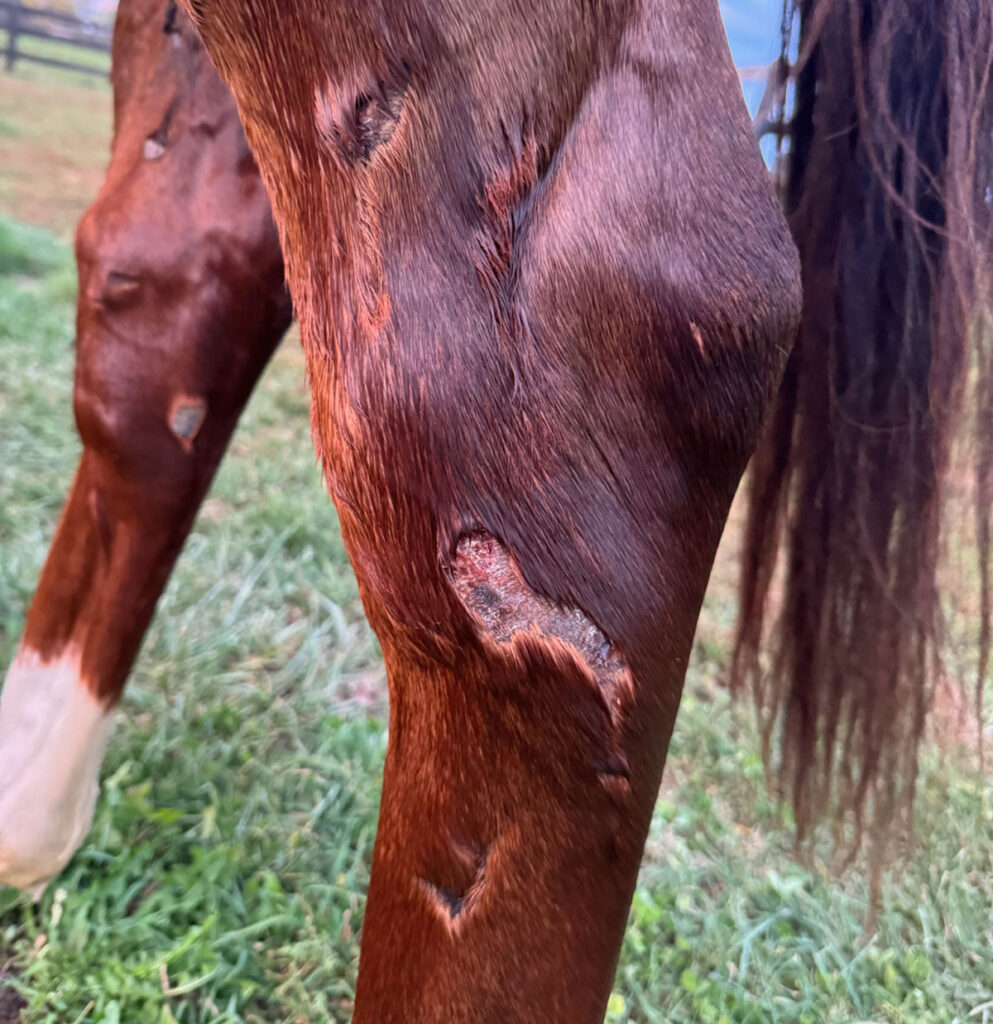
In this roundtable discussion led by Dr. Julia Miller, experts cover common horse wounds, complications with healing, and effective treatment options.

Dr. Avi Blake describes equine degenerative joint disease, how it occurs, clinical signs, diagnostics, and treatment options.

An expert reviews material showing 2.5% polyacrylamide hydrogel (PAAG) is effective, long-lasting, and safe for treating early- and late-stage equine osteoarthritis.

Fluorescent light energy (FLE) promotes healing and provides antimicrobial activity and anti-inflammatory effects in equine wounds and skin conditions.

Dr. Mike Pownall provides actionable insights for veterinarians from Synchrony’s Equine Lifetime of Care study, a report estimating the lifelong cost of owning and caring for a horse.

Dr. Avi Blake describes degenerative joint disease in horses and Adequan® i.m.
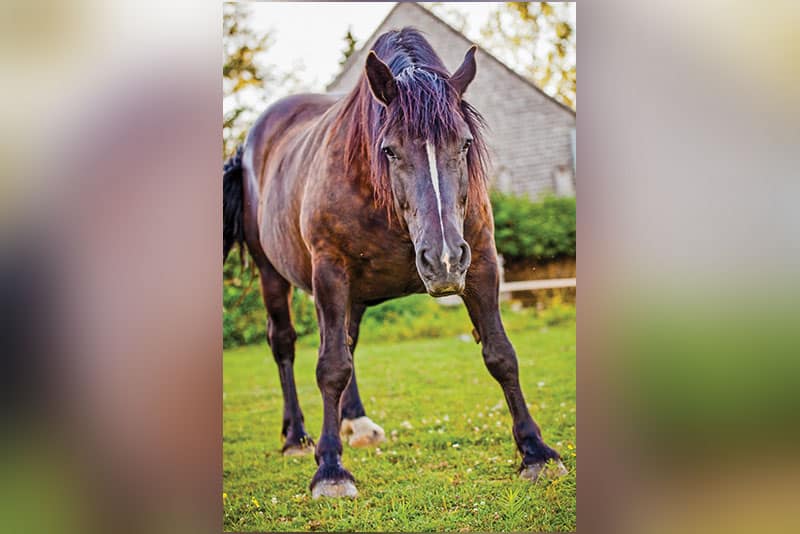
Abby Keegan, MS, PAS, an equine nutritionist for Cargill North America, will present considerations for designing appropriate diets for horses with equine metabolic syndrome (EMS) and how newly FDA-approved chromium might be beneficial. She’ll also share real-world example diets.
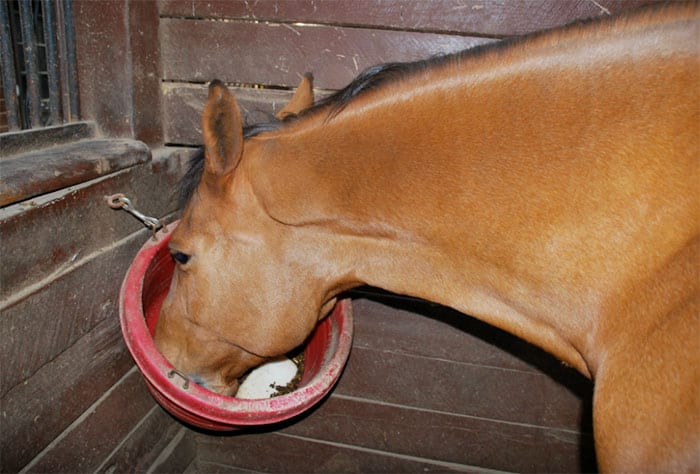
Showing, training, traveling, or even lifestyle changes can put your horse under stress that risks his health. The right nutritional choices can support his immune system, GI tract, and overall well-being. Learn how.

Good nutrition and attention to GI health are the best ways to prevent leaky gut syndrome and heal horses with leaky guts.