Sponsored by: Equithrive Mare
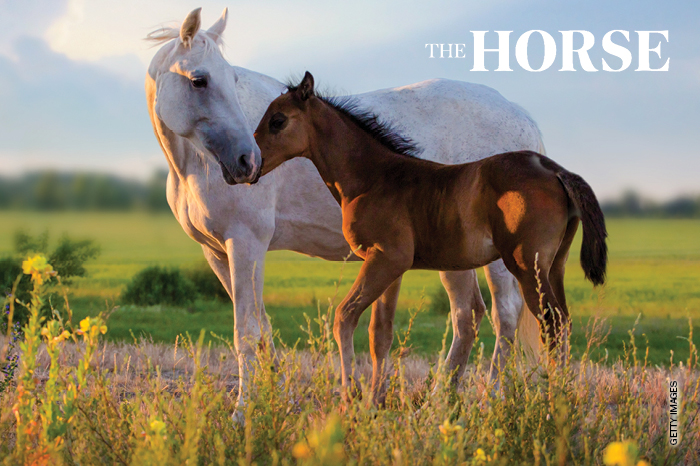
mare and foal

Age alone doesn’t determine whether a mare can conceive and carry a pregnancy to term. Veterinarians also look at her overall health, reproductive history, body condition, perineal conformation (structural alignment and muscle tone of the external genital area), and uterine condition.

Consider the following:

1. YOUR MARE'S AGE

Again, it matters but is not the whole story: 

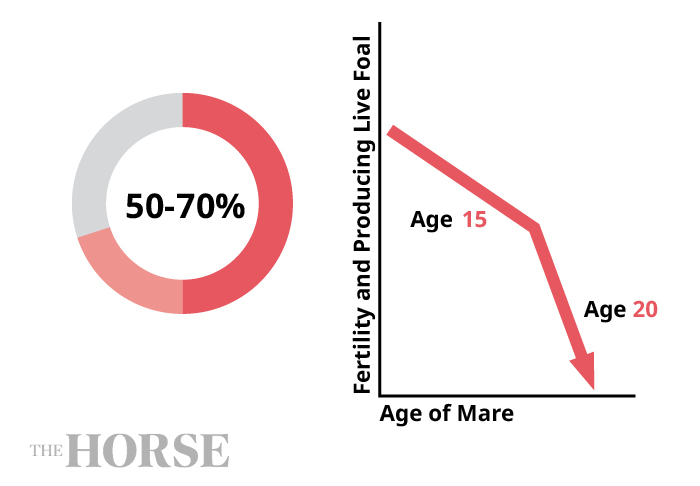
  • Healthy mares have roughly a 50-70% chance of conceiving per estrous cycle up to about age 15.
  • Fertility and the likelihood of producing a live, healthy foal decline after about age 15, with a steeper decline after 20.
  • Many older mares con-tinue to ovulate and release good-quality eggs.
  • However, the aging uterus becomes more susceptible to scarring, inflammation, and infection. 
graphs

2. HER PHYSICAL CONDITION AND BREEDING SOUNDNESS EXAM RESULTS

  • Body condition score of 5-6
  • Fit and overall physically healthy
  • Able to move around comfortably/no significant lameness
  • No chronic laminitis
  • Can tolerate pregnancy’s additional physical demands
  • Reproductive tract is suitable for  breeding
  • No major musculo-skeletal problems
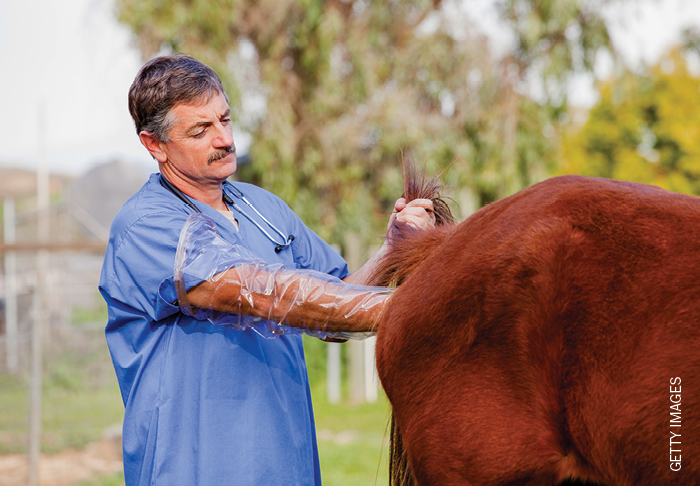
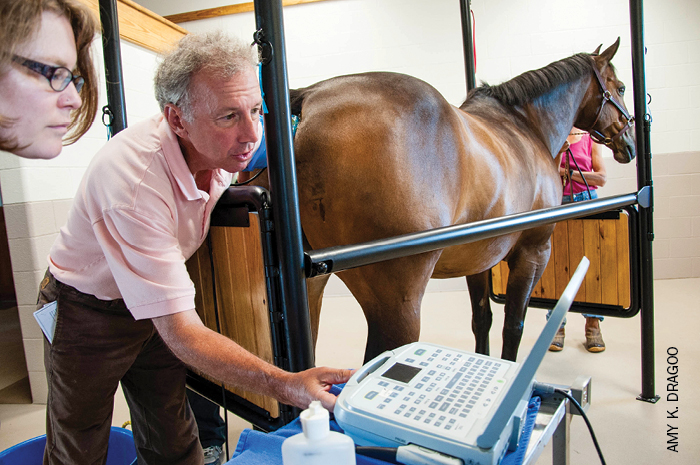
breeding soundness exam

3. HER BREEDING HISTORY

OLDER MARE

Has foaled before

  • The cervix has previously dilated and closed.
  • Prior successful pregnancies/uncomplicated foalings are encouraging.
  • A broodmare that foaled recently might conceive more readily.

Never foaled

  • A tight cervix can make uterine clearance of contaminants difficult.
  • She has a greater risk of inflammatory fluid accumulating.
  • She might produce a relatively small foal after a prolonged gestation.
  • Pregnancy could be physically more difficult for a mare unaccustomed to carrying that weight. 
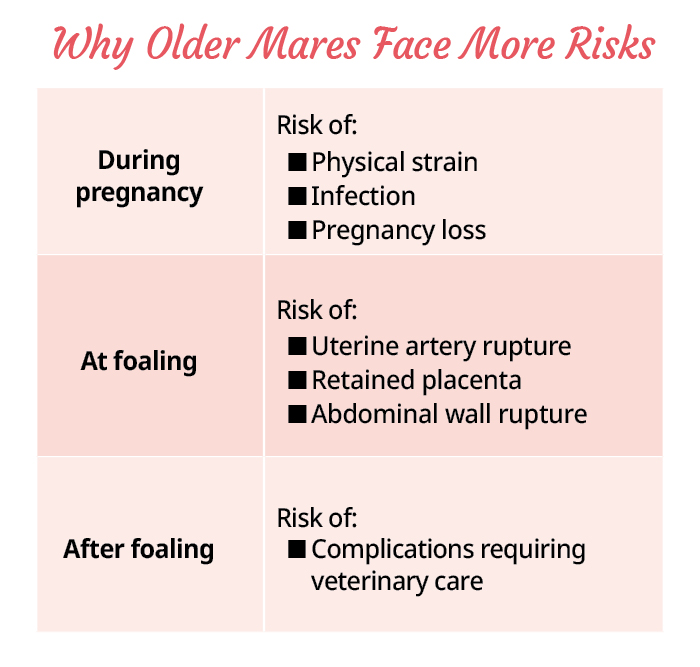
Chart - Why Older Mares Face More Risks

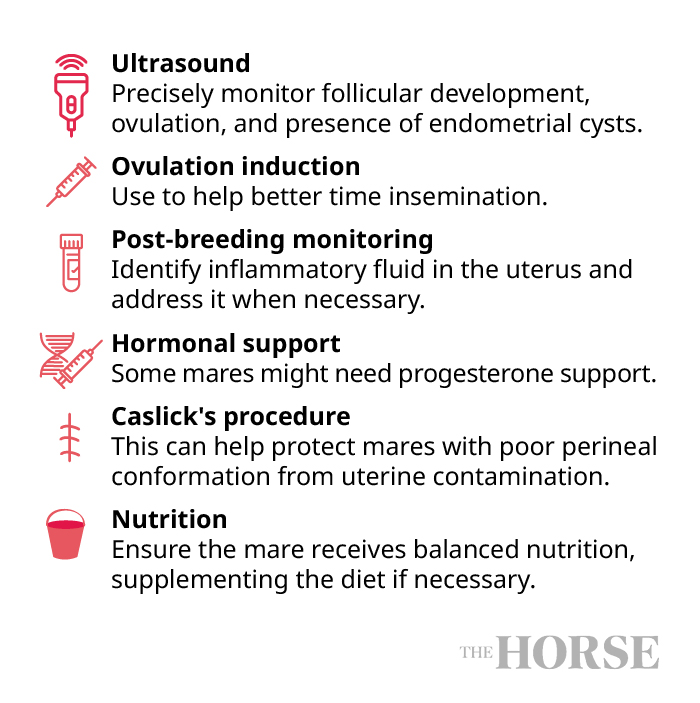
AN OLDER MARE MIGHT NEED MORE HELP CONCEIVING

Take-Home Message

Before breeding an older mare consider her health, welfare, and likelihood of conceiving and carrying a foal to term.