Palmer Named NYSGC Equine Medical Director
Scott Palmer, VMD, Dipl. AVBP, will oversee the health and safety of horses at all New York state racetracks.

Scott Palmer, VMD, Dipl. AVBP, will oversee the health and safety of horses at all New York state racetracks.
This rare, chronic wasting disease is characterized by development of granulomas in numerous organs.
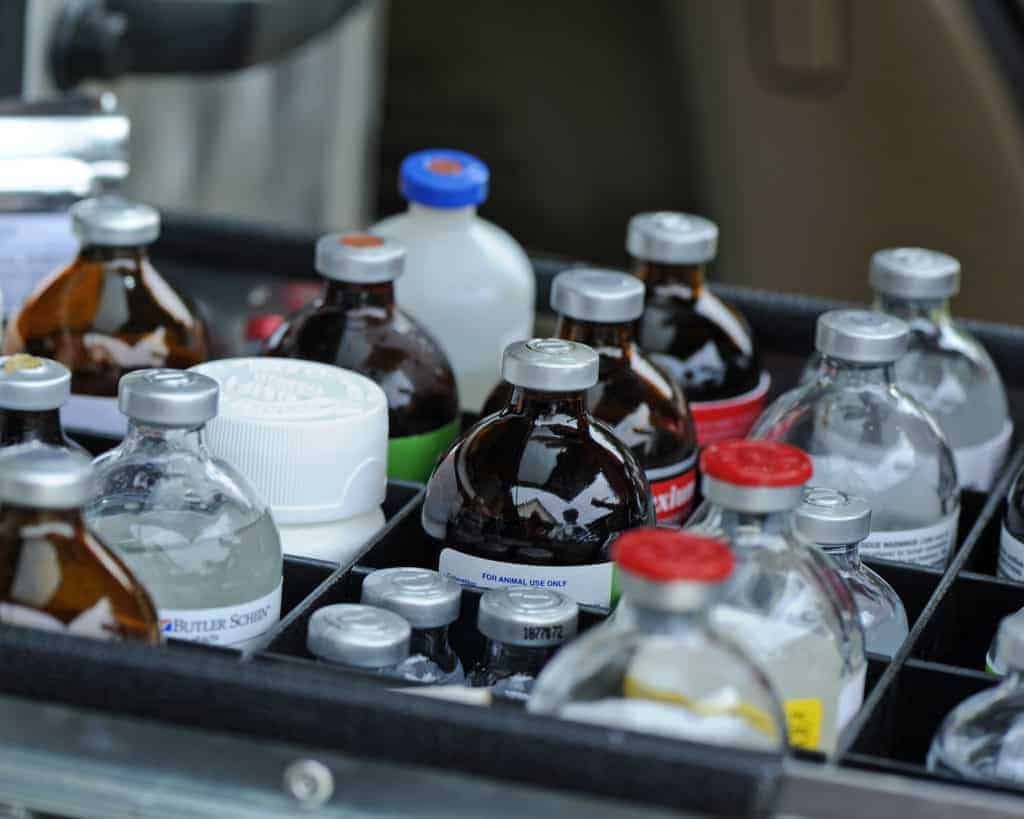
Get helpful information for navigating the crowded field of performance-horse medications.
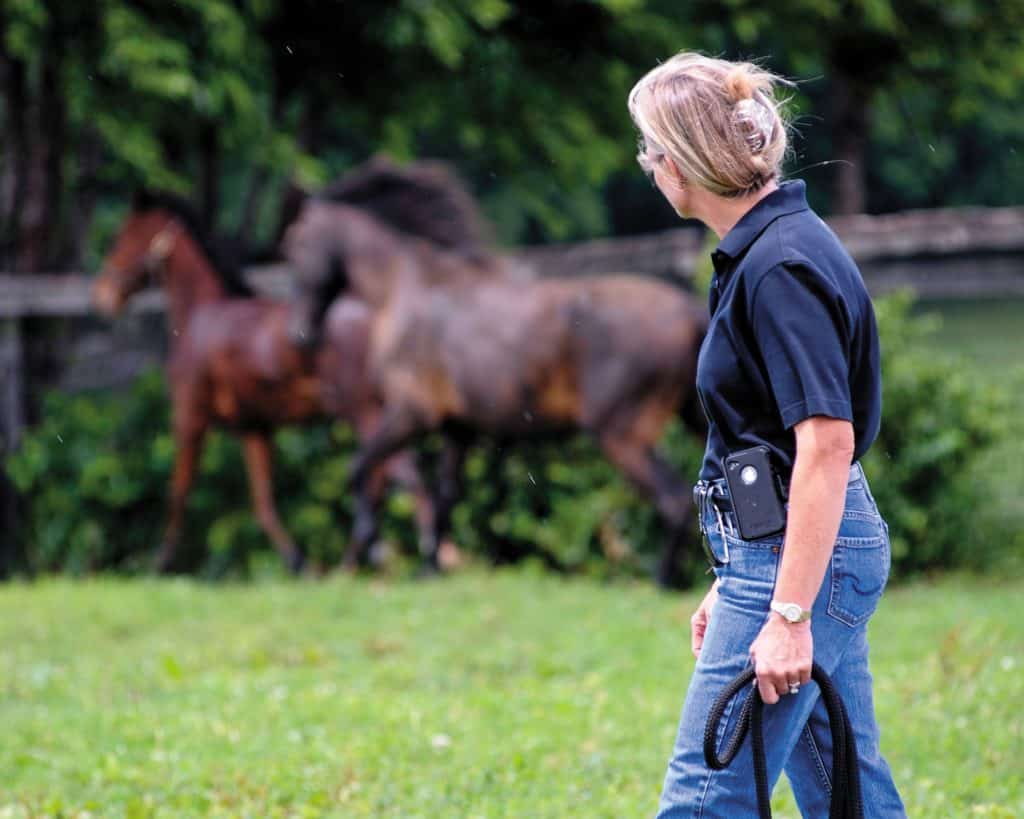
Is it common for horses to respond differently to different people in the same situation?
The quarantine of two barns began in early November 2013 when a horse tested positive for EHV-1.

A horse at the Fair Hill Training Center in Elkton, Md., is in quarantine with a suspected case of EHV-1.

Horses in excessively wet or muddy environments are at greater risk of getting scratches.
Confirmed diseases included CEM, strangles, influenza, EHV, ehrlichiosis, rotavirus, salmonellosis, and more.
The University of Edinburgh is offering a free online equine nutrition course through coursera.org.
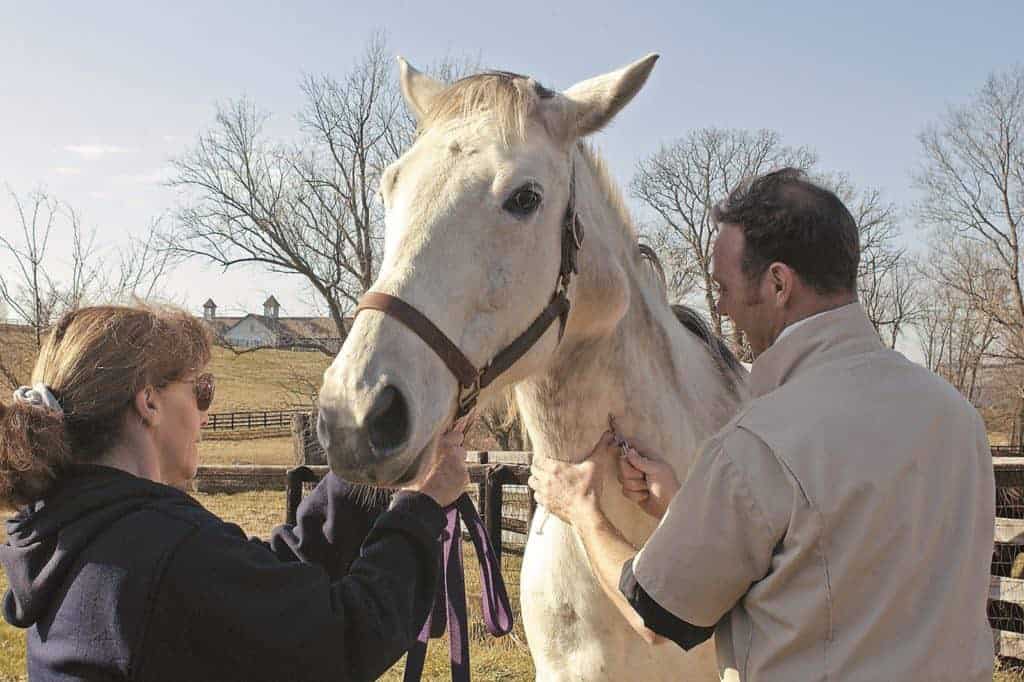
When in their early stages, melanomas are small and can seem insignificant, but many are extremely invasive.
NCSU will host seminars for horse owners, veterinary professionals, and students on Feb. 8-9.

Tailored hoof care and husbandry practices could help affected horses return to health.
More than 80 horses are receiving rehabilitative care after being seized in Jefferson County, Ind.
Trypanosomiasis in horses can cause incoordination and hind limb paralysis, among other issues.

Equine professionals hope passage of a proposed bill will mitigate their employment woes.

The study indicates indicates a large percentage of horses are acquired from their owners, not auctions.