No Additional Signs of EHV-1 at Fair Hill
The suspect horse is in stable condition and has shown gradual neurologic status improvement.

The suspect horse is in stable condition and has shown gradual neurologic status improvement.
ERAV can cause upper and lower airway respiratory disease in horses.
The cobalt was presumably used as a performance-enhancing substance, a statement said.

John Nicholson, executive director of the park since 1997, announced his retirement, effective April 30.
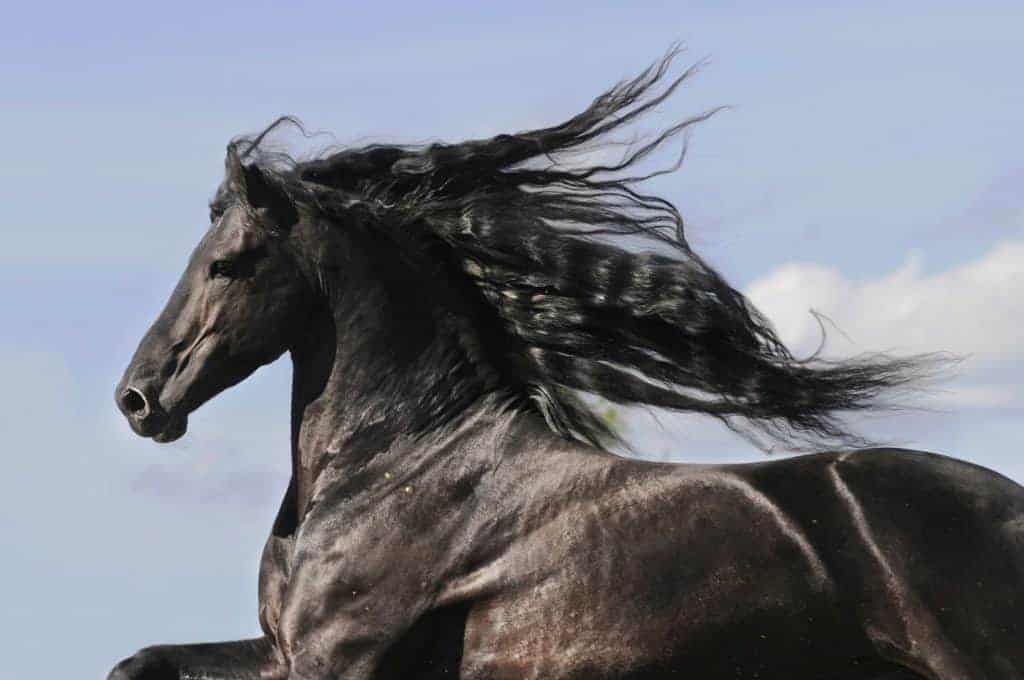
Vets caring for Friesians should interpret a few tests differently than they would in the average horse.
The guidelines cover recommended practices for animal rescues, equipment used in such situations, and more.

The 22-year-old Thoroughbred mare lost a long battle with laminitis and was euthanized Jan. 11.

Researchers believe more than one biomarker is needed for accurate and early placentitis detection.

Learn how to evaluate risk and protect your horse from infectious disease at event facilities.

If passed, the proposed legislation would once again strip the USDA of funding for horsemeat inspections.
Fire investigators are blaming a lightning strike for a barn fire that killed 12 horses.
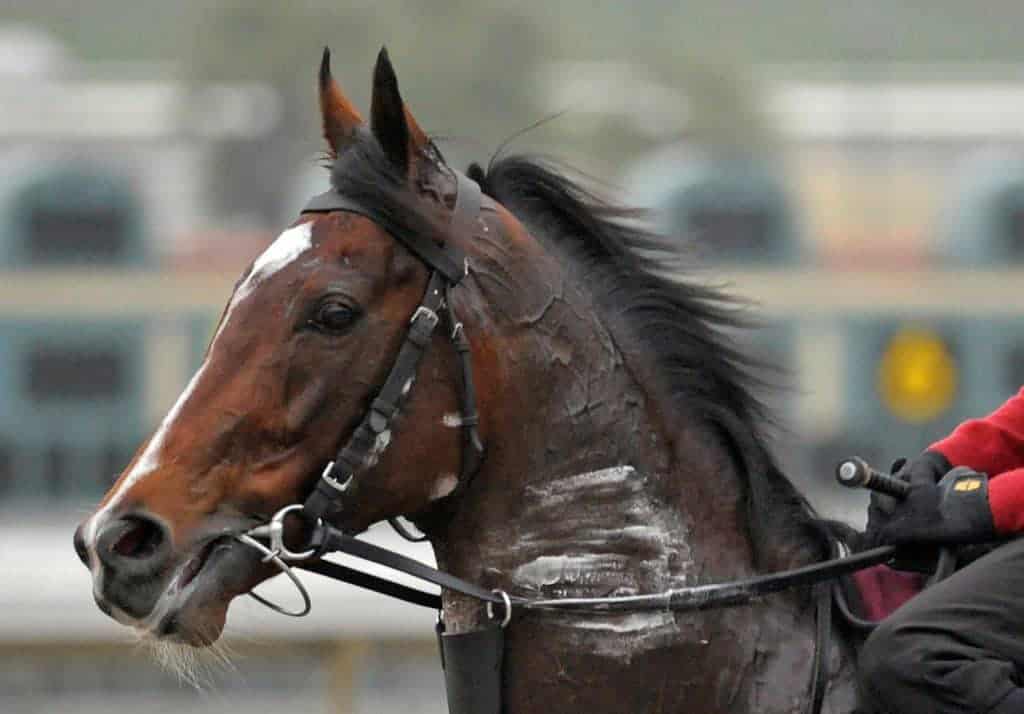
Champion Irish racehorse St Nicholas Abbey died the morning of Jan. 14 due to complications from colic.

Of the 2,580 respondents, 951 (37%) said that they would ride in a western saddle.
William True Baker, DVM, Dipl. ACVS, joined the practice as a surgeon at the Davidson Surgery Center.

Several favorable tax provisions the horse industry enjoyed in 2013 have reverted to lower levels or expired.

Researchers are striving to better understand the balance between tolerable and excessive bone damage.