How Can I Get My Picky-Eater Sport Horse to Consume Enough Calories?
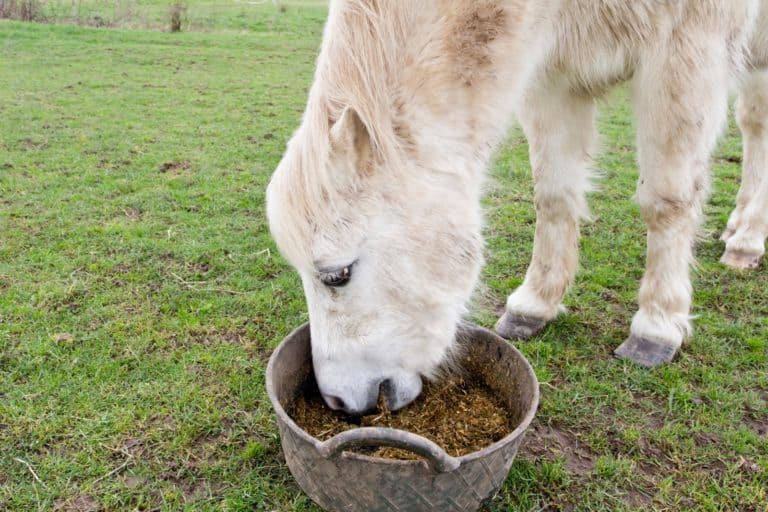
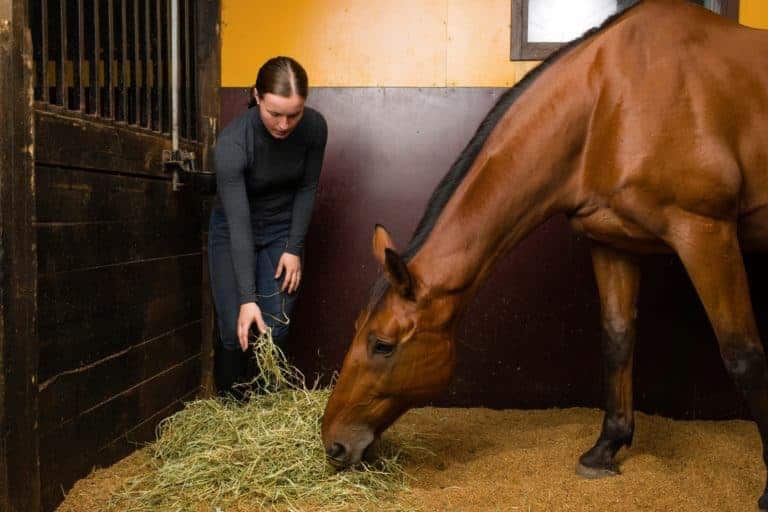
Get advice on encouraging a hard-keeper to eat more. The first step? Rule out health problems.

Get advice on encouraging a hard-keeper to eat more. The first step? Rule out health problems.

Learn about the technique and timing of this mainstay in conservative management of equine leg injuries.
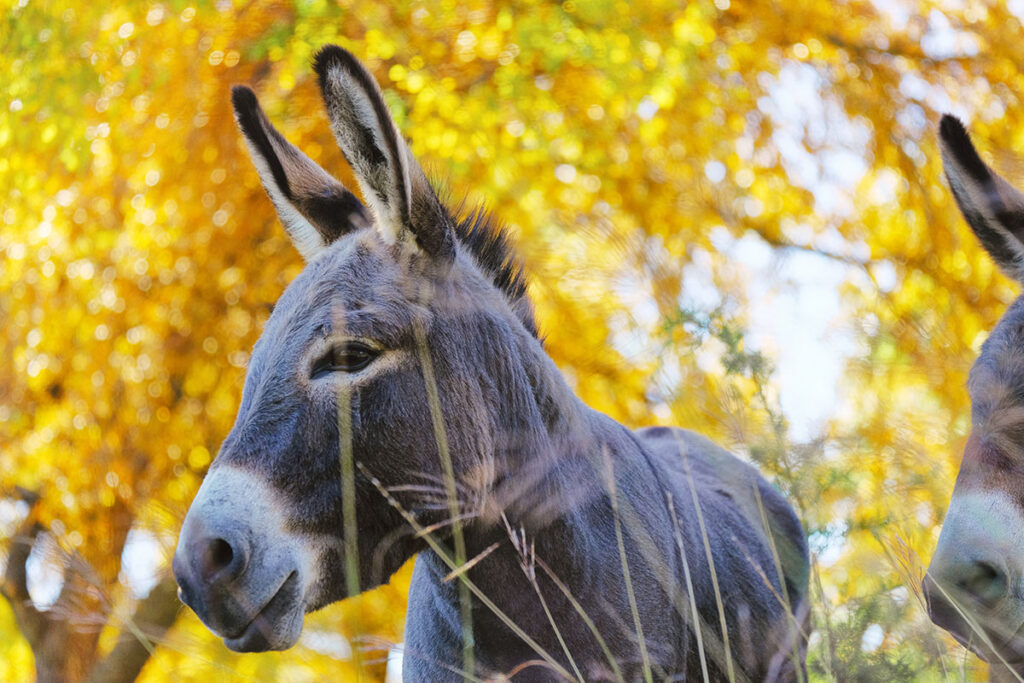
Read about the unique nutritional and management needs of these equids.
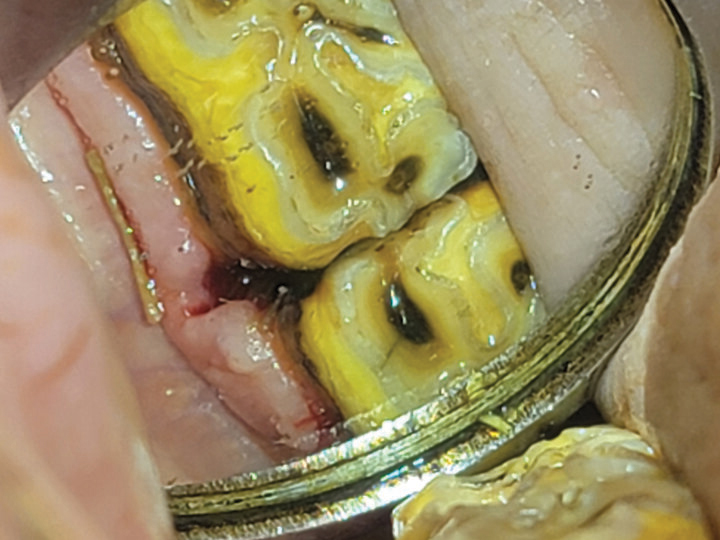
Learn why an annual veterinary dental examination is the foundation for good oral hygiene.
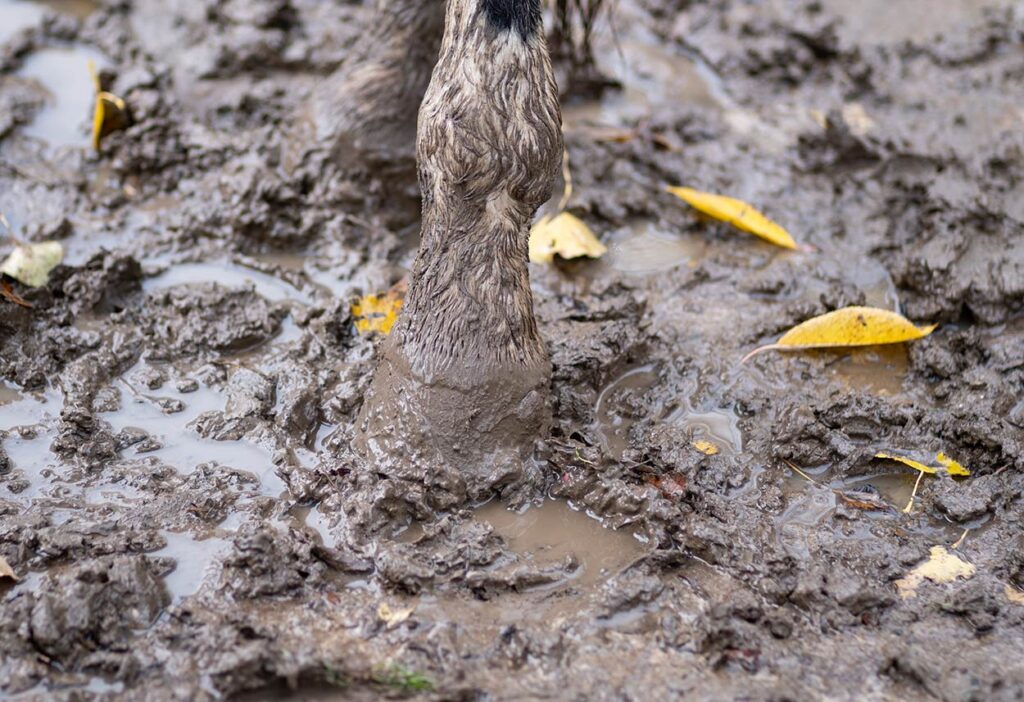
As the seasons change, so do the strategies we use to manage horses’ hooves.

Veterinarians and farriers emphasize individualized maintenance for preventing lameness and promoting long-term horse soundness.

Horses evolved to eat frequent, small roughage meals, so why do we only feed them twice daily?
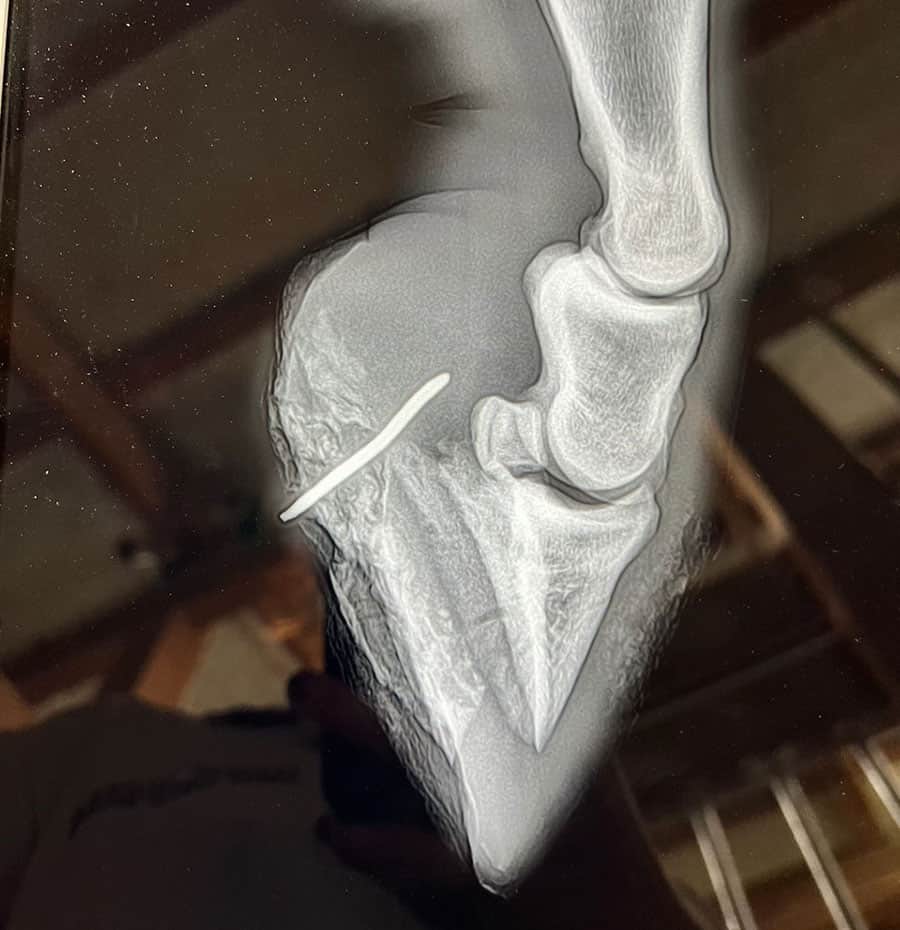
One veterinarian explains how to manage horse hoof puncture wounds and help ensure they heal properly.

Follow these expert tips to correct common feeding mistakes and improve your horse’s gut health and overall well-being.
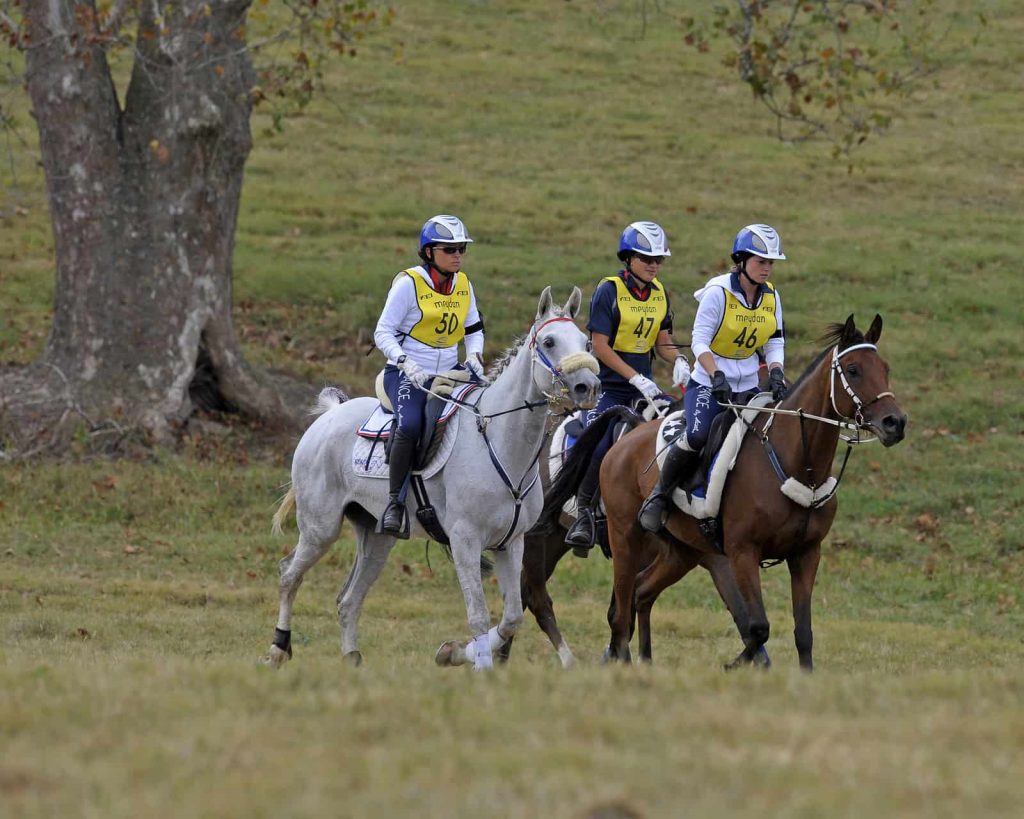
Find out how energy factors into your horse’s diet and the different ways to manipulate it.
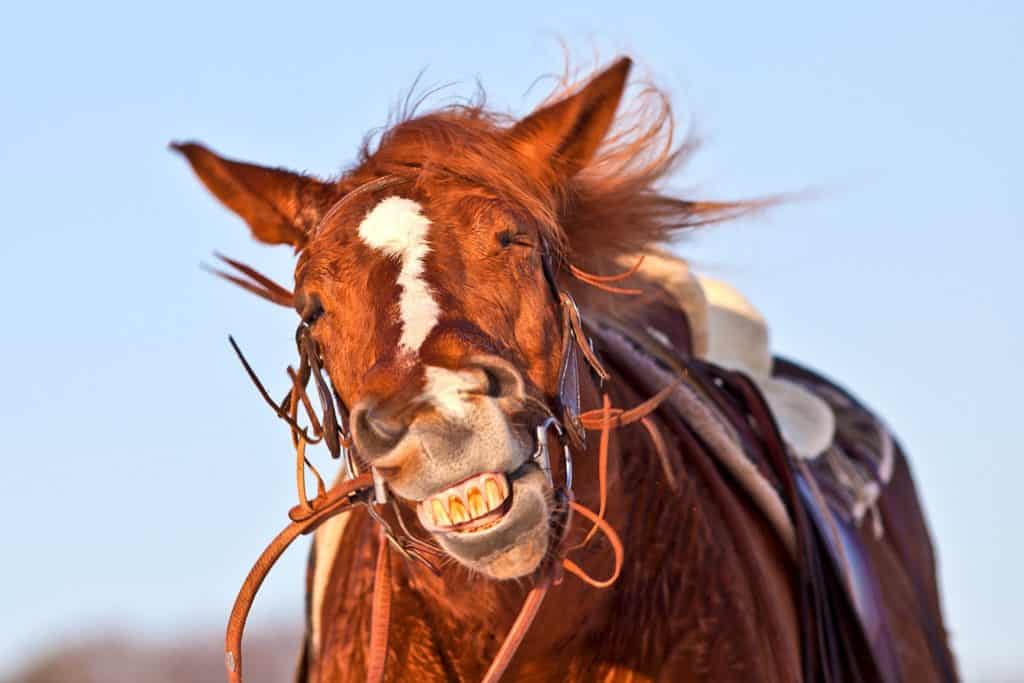
Idiopathic trigeminal-mediated headshaking causes severe facial pain in horses. Learn the signs, triggers, diagnostic process, and management options.

An individualized forage-based feeding plan can help support horses with IBD.

Learn about two different and unrelated processes that present as firm swellings in the horse’s pastern region.

Find out what causes watery feces in horses and whether you should be concerned.
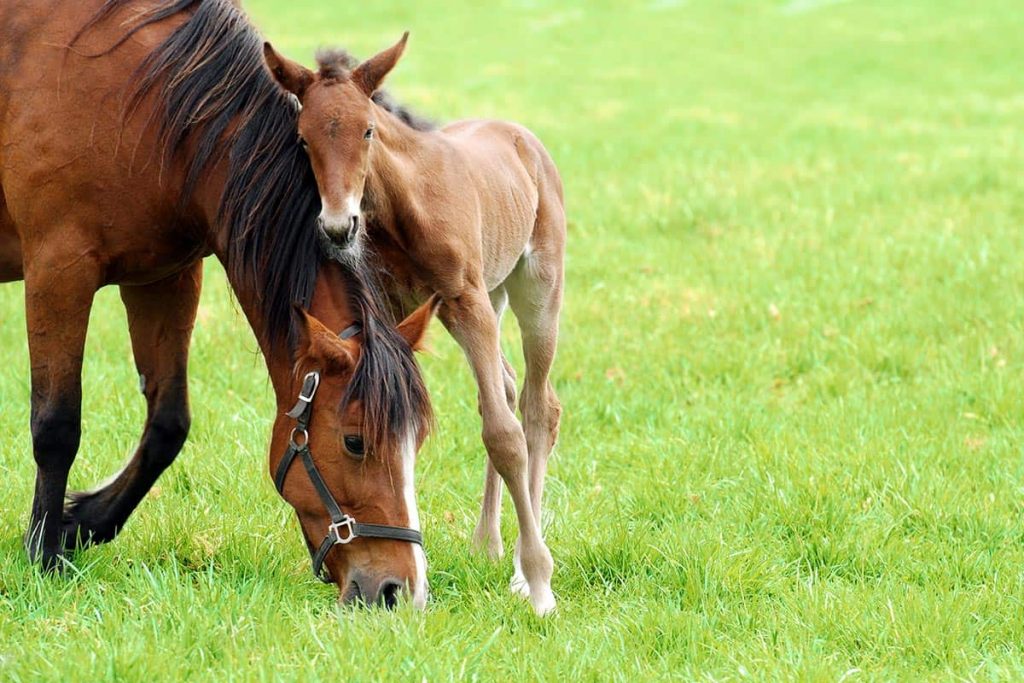
Central Kentucky equine abortion cases stemmed from infectious and noninfectious causes, including placentitis, umbilical cord torsion, and congenital abnormalities.

Learn about 5 key physical indicators of forage quality and how to gather a hay sample and interpret a chemical analysis.