Feeding Broodmares
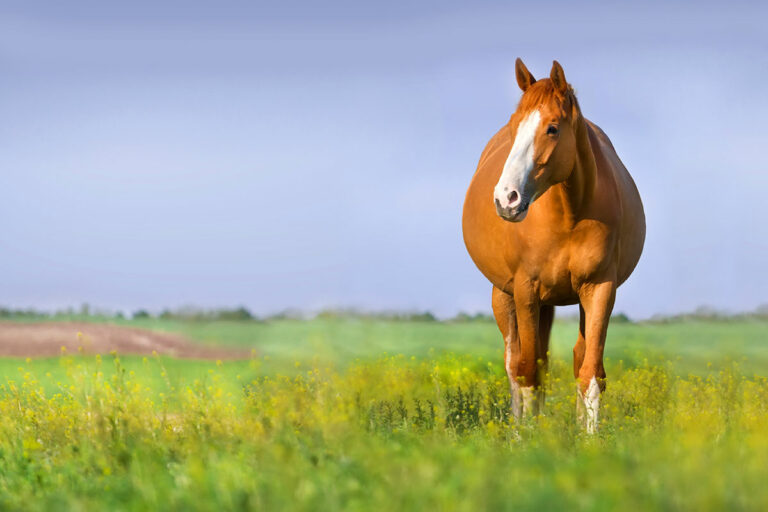
An equine nutritionist explains how a broodmare’s nutritional needs change during her pregnancy.

An equine nutritionist explains how a broodmare’s nutritional needs change during her pregnancy.

Splint bone injuries are common in both working and pastured horses. Here’s what you should know.

Penn Vet experts share strategies for managing arthritis in senior horses, from regular movement and weight management to veterinary treatment.
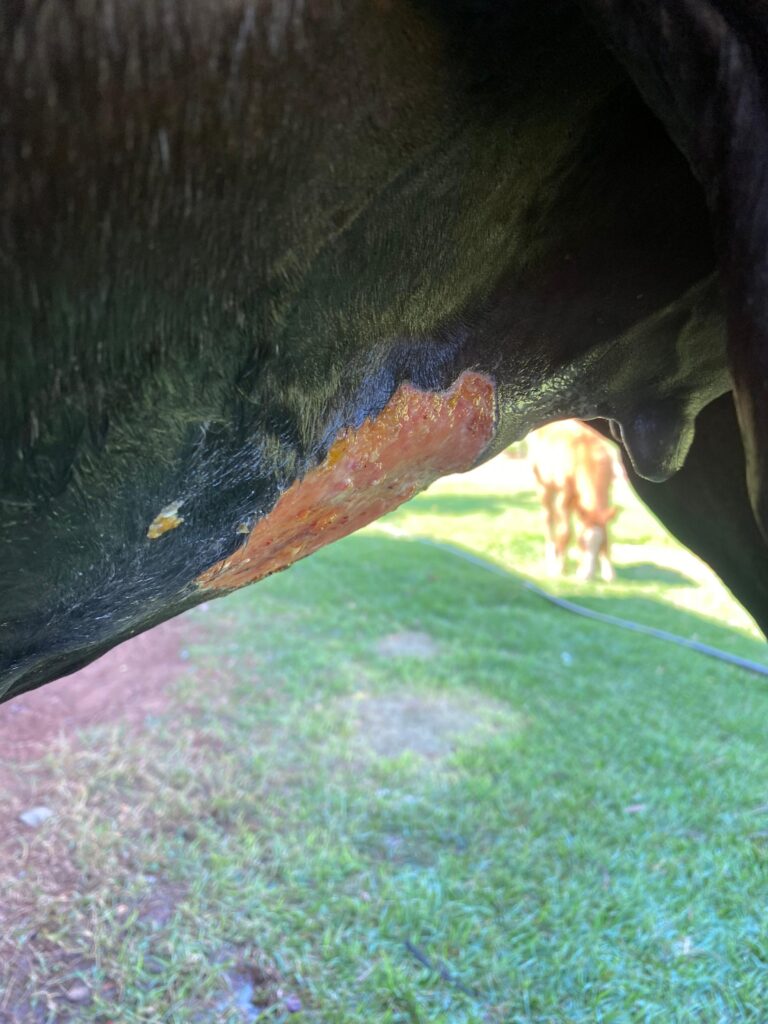
Learn about pythiosis, a disease characterized by ulcerative, granulomatous lesions on and beneath horses’ skin.
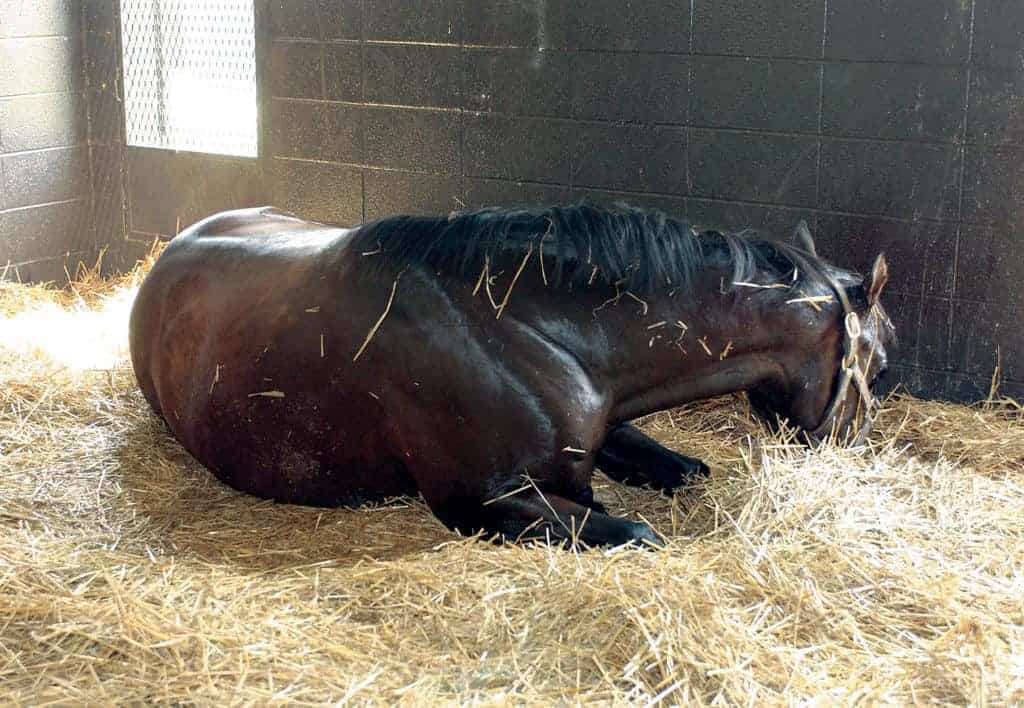
Recognizing and intervening early helps improve colic outcomes in horses.
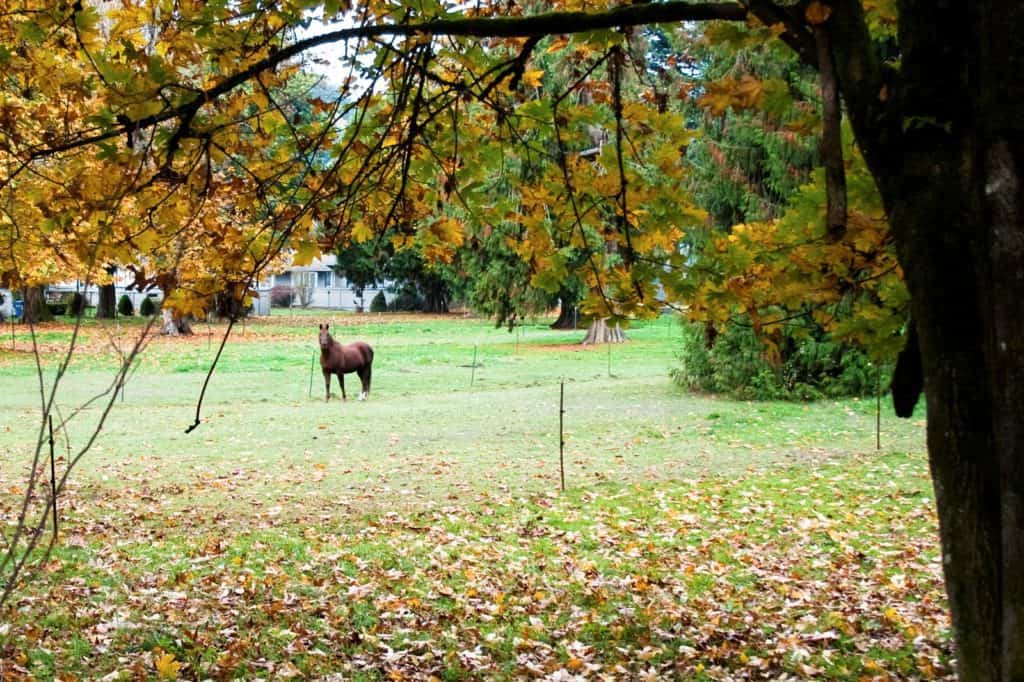
Is it okay for my horse to eat leaves that have fallen from trees in his pasture?

A veterinary podiatrist explains how X rays can be a useful tool for managing horses with chronic laminitis.

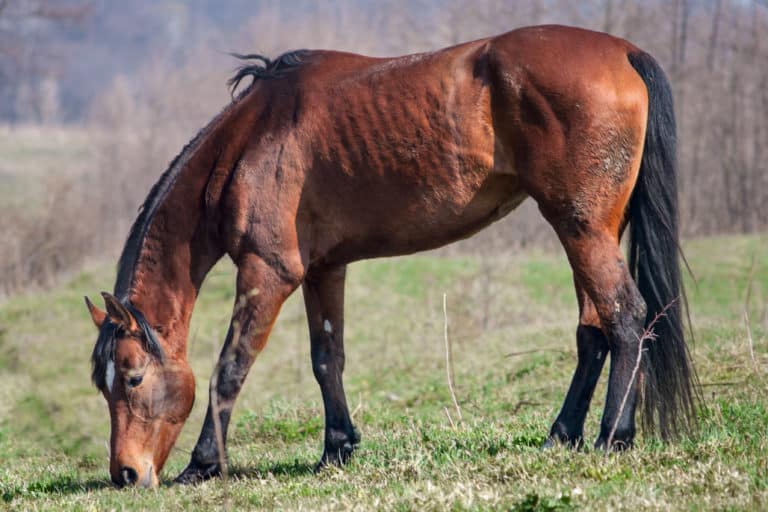
Get advice on encouraging a hard-keeper to eat more. The first step? Rule out health problems.
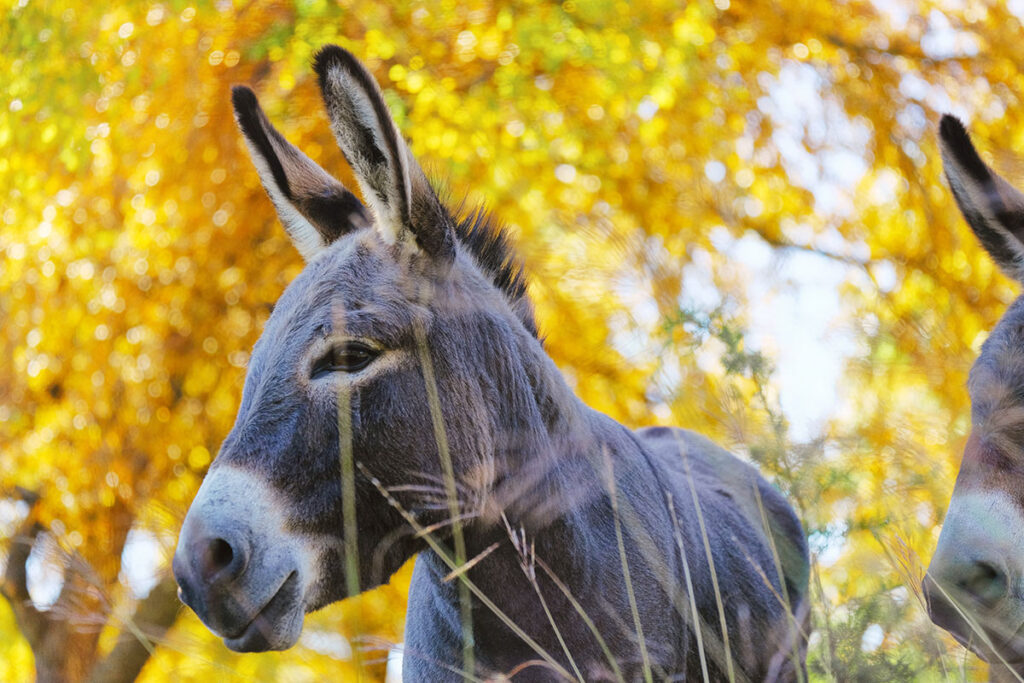
Read about the unique nutritional and management needs of these equids.
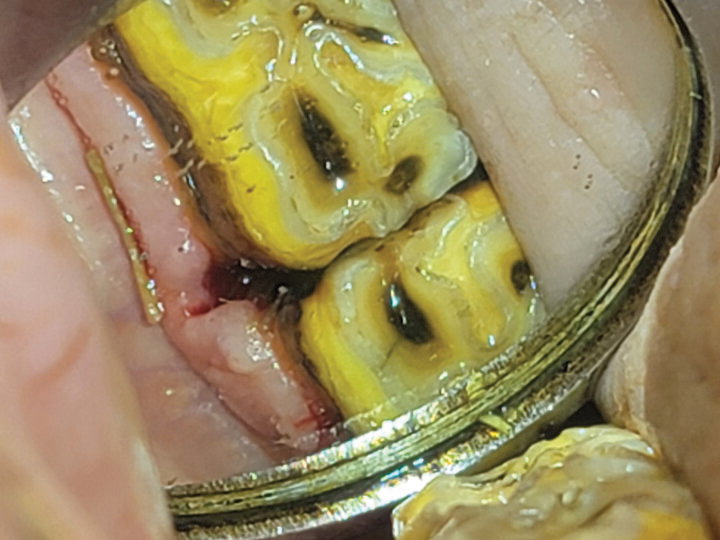
Learn why an annual veterinary dental examination is the foundation for good oral hygiene.
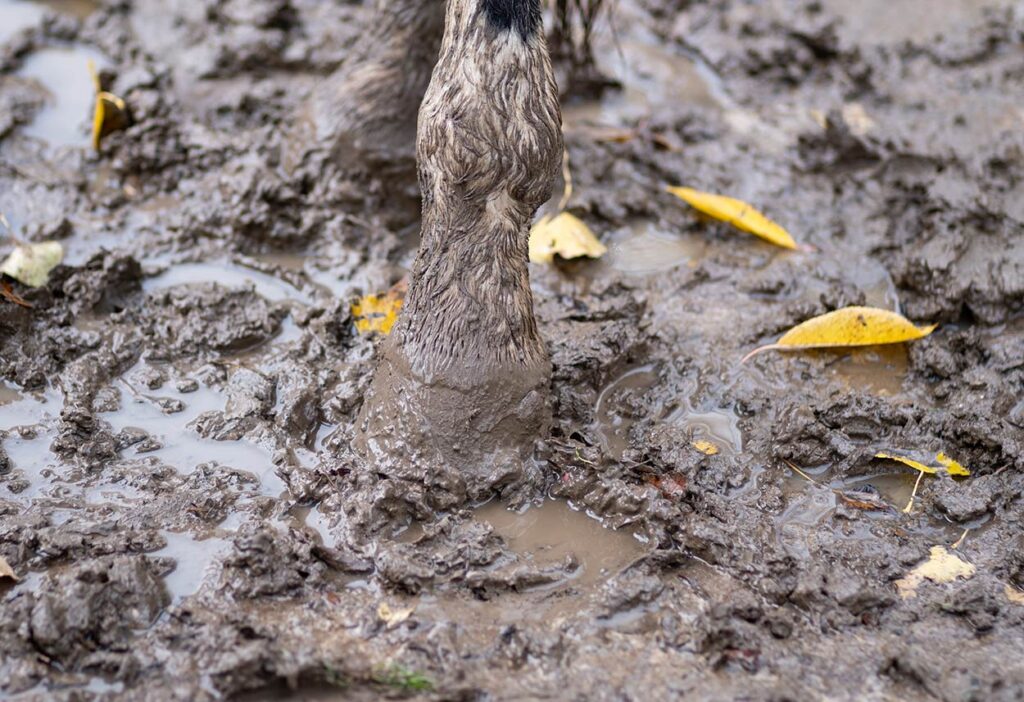
As the seasons change, so do the strategies we use to manage horses’ hooves.

Veterinarians and farriers emphasize individualized maintenance for preventing lameness and promoting long-term horse soundness.

Horses evolved to eat frequent, small roughage meals, so why do we only feed them twice daily?
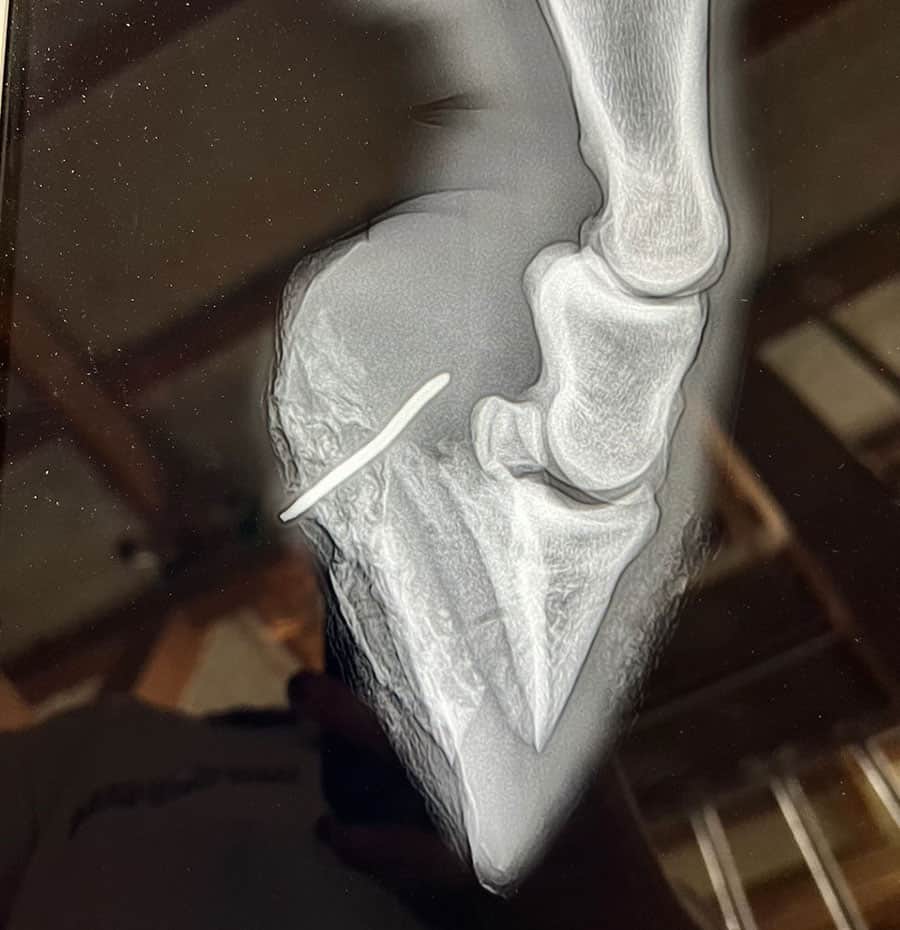
One veterinarian explains how to manage horse hoof puncture wounds and help ensure they heal properly.

Follow these expert tips to correct common feeding mistakes and improve your horse’s gut health and overall well-being.
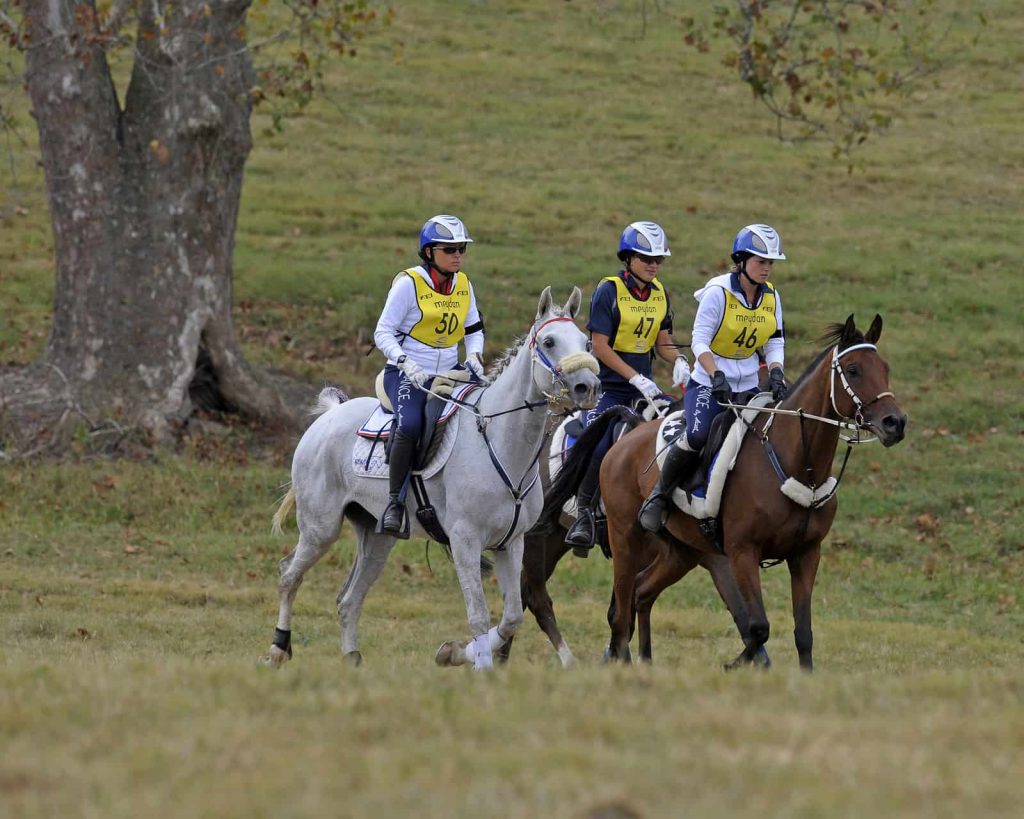
Find out how energy factors into your horse’s diet and the different ways to manipulate it.