Idiopathic Trigeminal-Mediated Headshaking
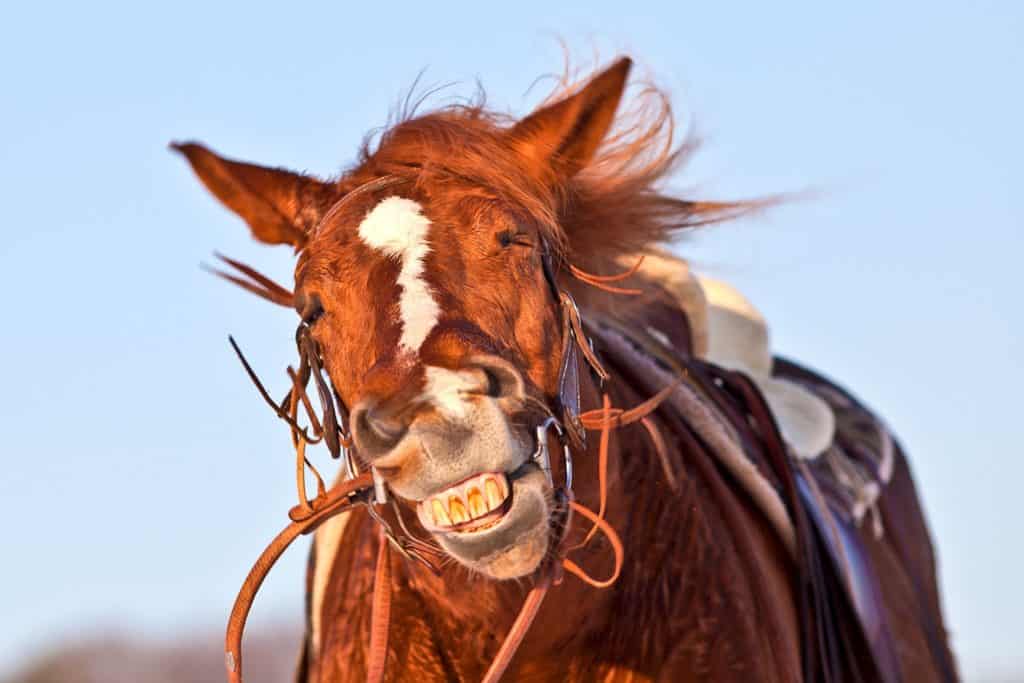
Idiopathic trigeminal-mediated headshaking causes severe facial pain in horses. Learn the signs, triggers, diagnostic process, and management options.

Idiopathic trigeminal-mediated headshaking causes severe facial pain in horses. Learn the signs, triggers, diagnostic process, and management options.

An individualized forage-based feeding plan can help support horses with IBD.

Learn about two different and unrelated processes that present as firm swellings in the horse’s pastern region.

Find out what causes watery feces in horses and whether you should be concerned.
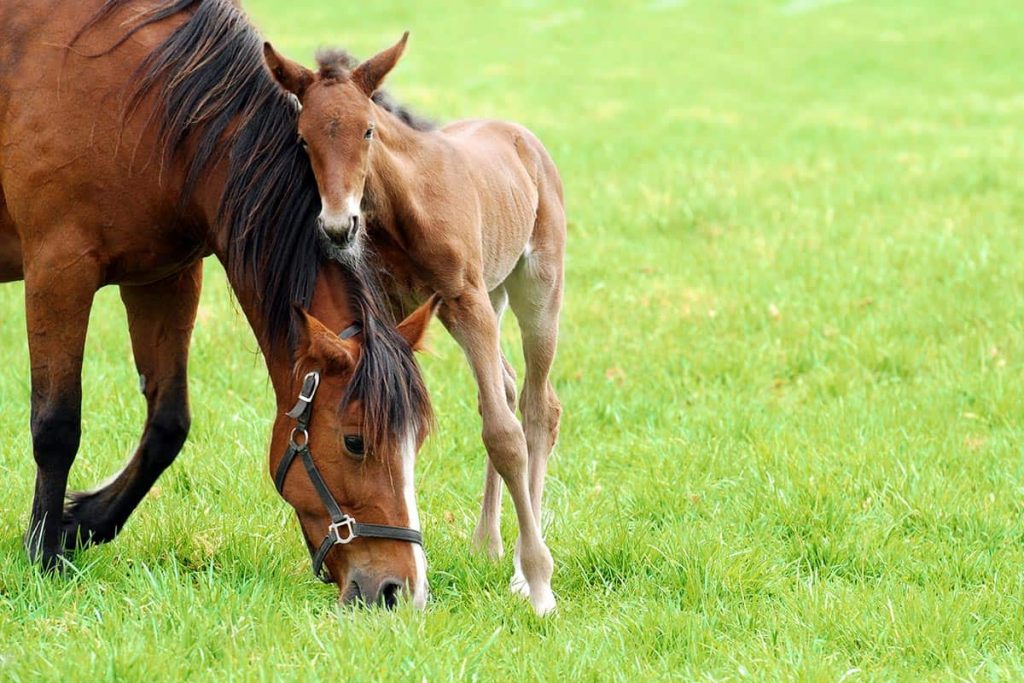
Central Kentucky equine abortion cases stemmed from infectious and noninfectious causes, including placentitis, umbilical cord torsion, and congenital abnormalities.

Learn about 5 key physical indicators of forage quality and how to gather a hay sample and interpret a chemical analysis.
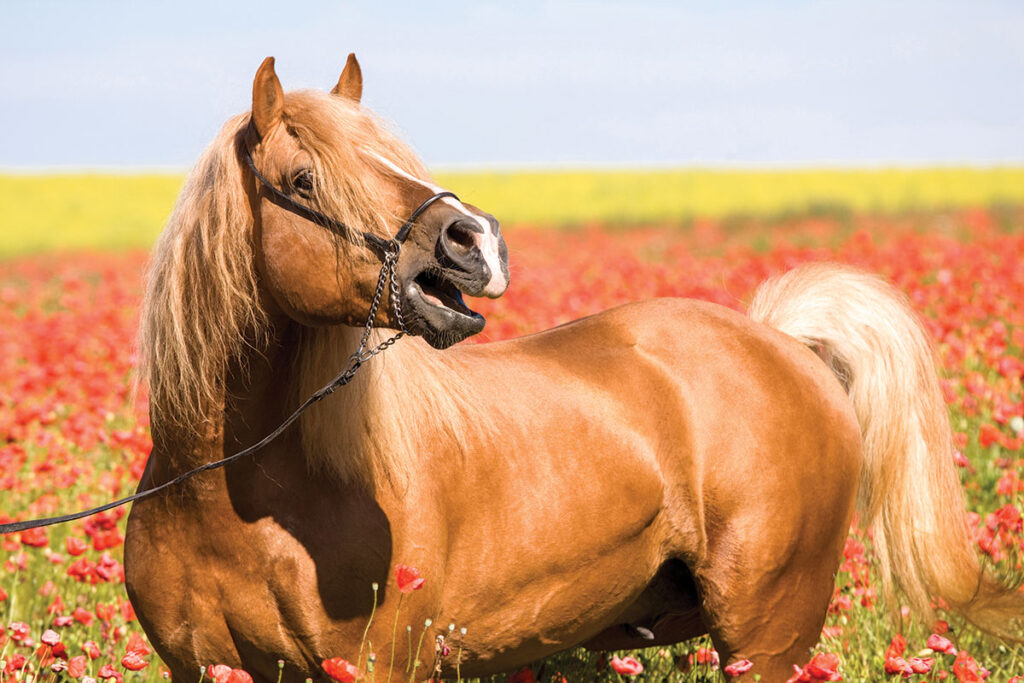
Changes in management and education can transform how horses experience short-term separation. Read more in the Summer 2026 issue of The Horse.

A horse’s topline can reveal clues about his overall health. Learn what causes topline loss and how to help your horse rebuild muscle.
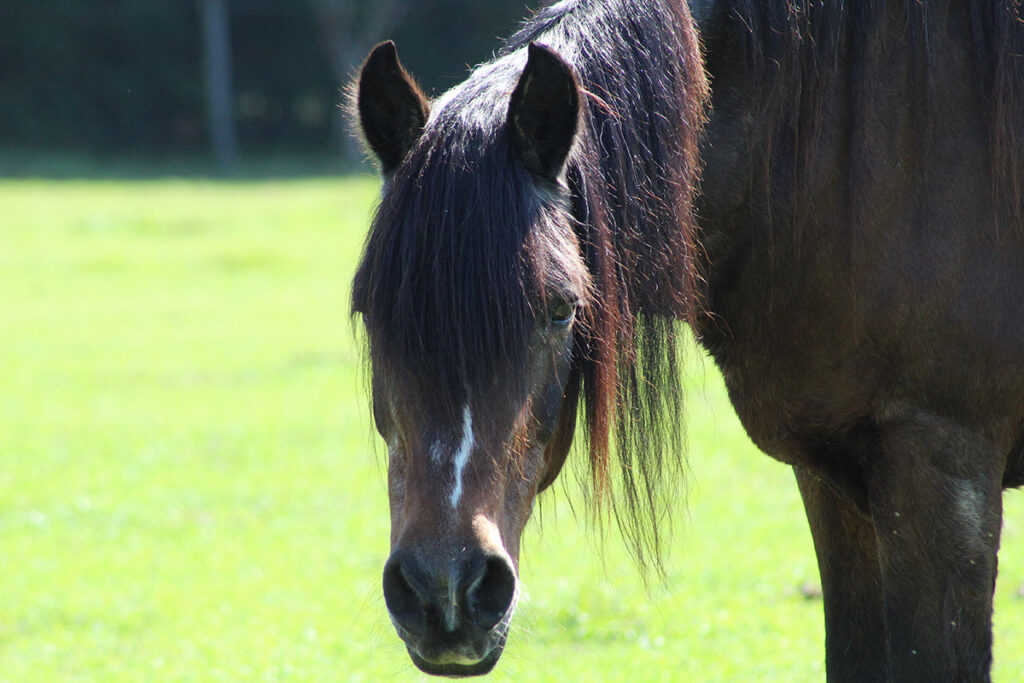
Pain in senior horses often develops gradually, so owners might mistake subtle changes for normal aging. Learn to recognize the signs before they become more serious.
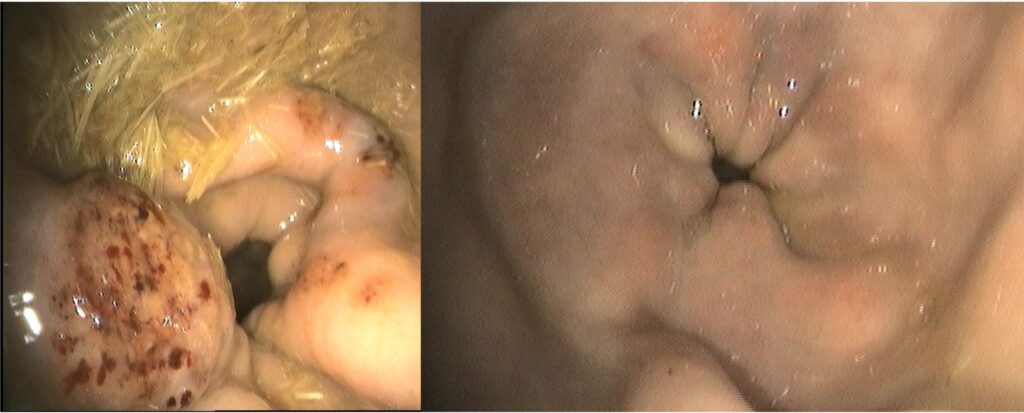
Not all equine glandular gastric ulcers heal with medication. Learn when chronic lesions need ongoing management or surgical removal.

Nutritional evaluations can help you determine whether your horse is consuming a balanced diet.
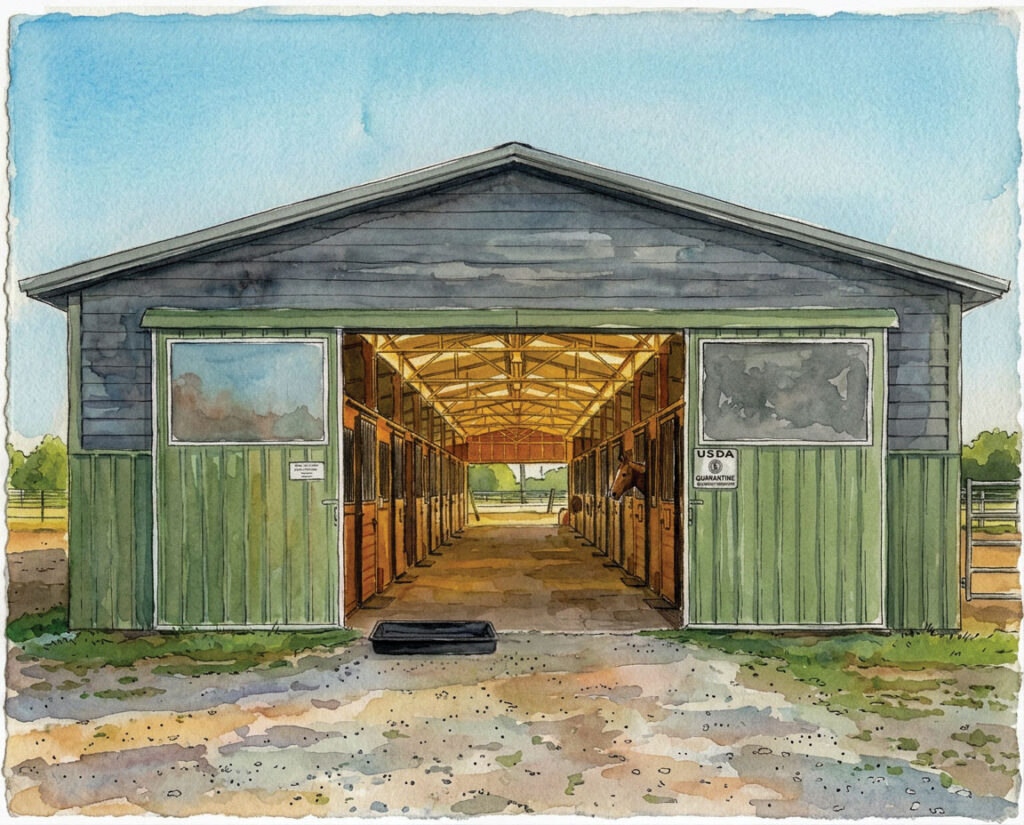
Preparing ahead of time and acting promptly when an outbreak occurs can help limit the spread of infectious disease in horses. Read more in The Horse‘s Summer 2026 issue.
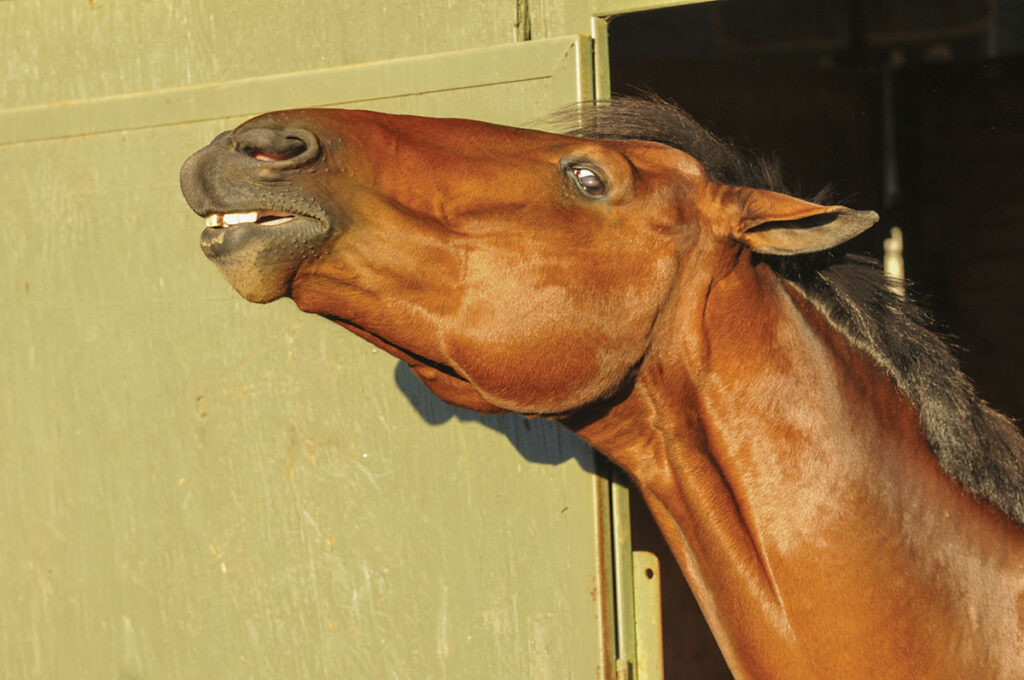
One unusual case shows how headshaking can have an infectious origin. Read more in The Horse’s Summer 2026 issue.
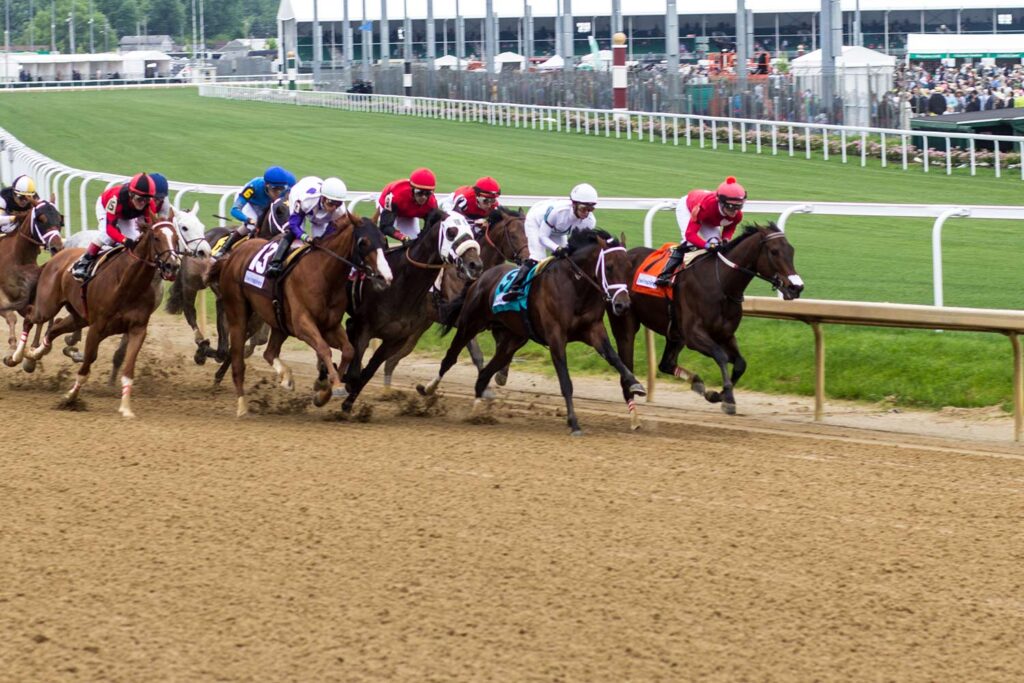
Advancements in technology and their growing use aim to reduce injuries in Thoroughbred racehorses.
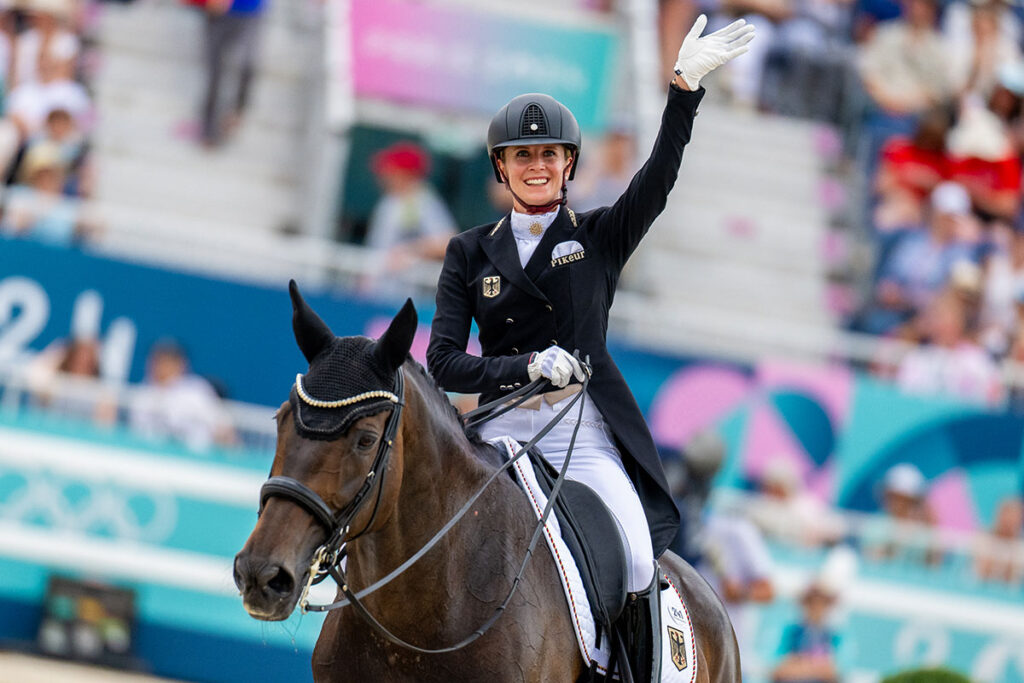
See how mares have become champions at the highest levels of dressage, show jumping, and 3-day eventing.
Early recognition and identification of the underlying cause give veterinarians the best opportunity to improve outcomes for horses with laminitis.