When managing horses with inflammatory bowel disease (IBD), diet plays an important role, but veterinarians still lack evidence-based feeding guidelines. Until research becomes available, should tailor nutritional management to each horse’s clinical signs, body condition, and response to treatment, said Tommaso Danese, DVM, PhD, during his presentation at the 2026 American College of Veterinary Internal Medicine Forum, held June 11-13, in Seattle, Washington. Danese is a third-year resident of the European College of Veterinary Clinical Nutrition (ECVCN), with an equine focus, at the University of Turin.
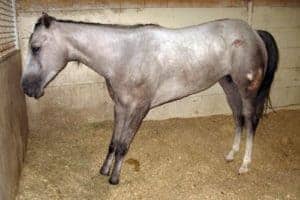
Equine IBD describes a group of disorders characterized by inflammation within the intestinal tract. Affected horses can develop chronic weight loss, recurrent colic (abdominal pain), diarrhea, poor performance, or behavioral changes. That clinical variability, along with the challenges of diagnosing these disorders, complicates decisions about how to feed individual horses.
Feeding Considerations for Horses With IBD
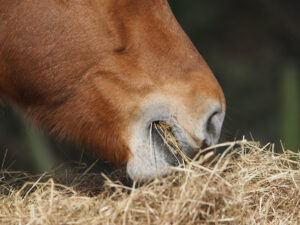
“Equine IBD must be managed predominantly with forage,” Danese said. “High-quality, highly digestible forage should form the foundation of the diet, with clinicians selecting the forage type and physical form based on each horse’s needs.” Pelleted forage, forage cubes, chopped forage, and soaked feeds can improve digestibility better than ?regular baled hay? can, particularly in horses struggling to maintain weight or experiencing recurrent colic.
Because dysfunction of the small intestine can reduce starch digestion, veterinarians recommend limiting dietary starch. Danese said to keep starch intake below approximately 1 gram per kilogram of body weight per day, while choosing more digestible, processed starch sources when concentrates remain necessary. “Performance horses with suspected IBD often benefit from starch reduction instead of complete grain removal, helping maintain calorie intake without compromising athletic performance,” he said.
Dietary fat can help replace calories lost through starch restriction. Introduce oils gradually because individual horses vary in both acceptance and gastrointestinal tolerance, said Danese. While omega-3 fatty acids, such as those supplied by linseed oil, might help support normal inflammatory pathways, Danese said they should serve as functional additions rather than primary calorie sources.
“Protein requirements also deserve attention, particularly in horses experiencing intestinal malabsorption and muscle loss,” said Danese. Rather than dramatically increasing protein intake or adding new protein sources, veterinarians and owners should focus on meeting the horse’s nutritional requirements using high-quality, digestible ingredients.
Danese also addressed growing interest in gluten-free diets for horses with IBD. Although a small subset of horses appears to develop immune responses to gluten-related proteins, he said current evidence does not support treating equine IBD as a celiac-like disease. “As a result, gluten exclusion should remain a carefully monitored, case-specific strategy instead of becoming standard practice.”
Take-Home Message
Nutritional management for horses with IBD should match each animal’s clinical signs and work alongside medical therapy, rather than follow a one-size-fits-all approach. Individualized diets that reduce gastrointestinal stress while meeting the horse’s nutritional needs can help improve body condition, minimize clinical signs, and support long-term quality of life.