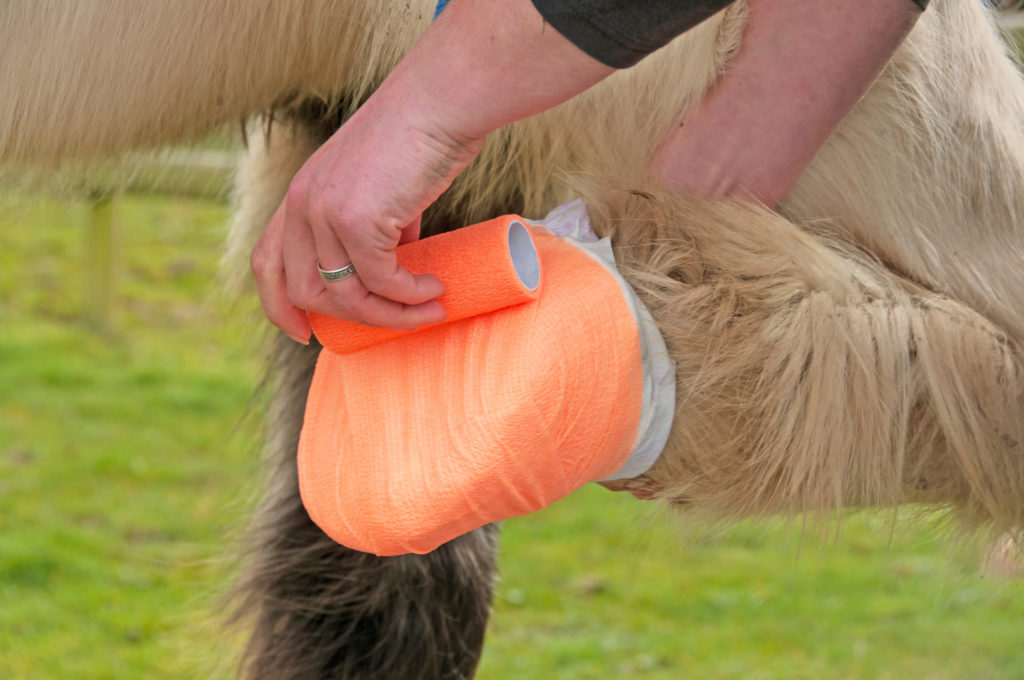
Managing Horse Hoof Wounds
Resolving hoof wounds requires working closely with your veterinarian to manage lesions until they heal. Learn about 4 common wounds and how vets treat them.

Resolving hoof wounds requires working closely with your veterinarian to manage lesions until they heal. Learn about 4 common wounds and how vets treat them.
Veterinarians share updates on NWS response efforts, horse movement, event biosecurity, and what horse owners should expect.

Horses can (and will) find unique ways to injure themselves. In this article we’ll highlight 4 of the most common causes of sudden lameness.

Protecting your young horse’s musculoskeletal system can help reduce his risk of injuries later in life.

The equine hindgut breaks down fiber, which makes up most of the horse’s diet. Learn how diet and management can affect this important part of your horse’s GI system.
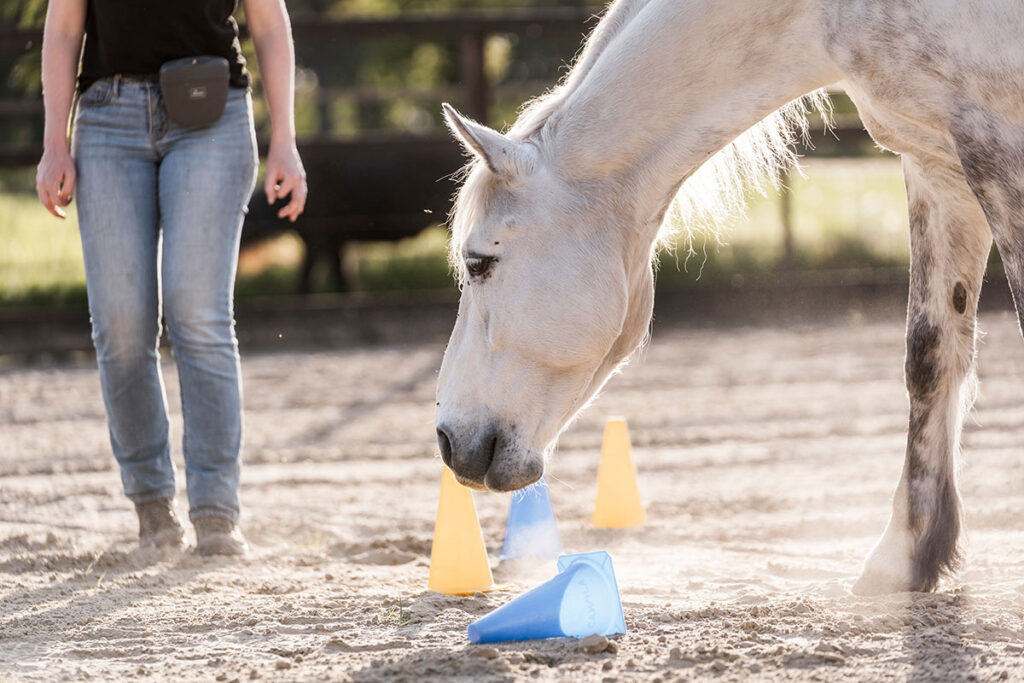
Horses express choices through body language and learned behaviors. Learn what researchers have revealed about equine communication.

Explore the causes of and treatments for this common muscular problem in horses, along with prevention methods.

For some horses, overingesting certain grasses can lead to laminitis. Learn more about managing these horses and their pastures.

Experts describe the 3 most common problems associated with equine hock lameness and how veterinarians can make an accurate diagnosis in these complex joints.
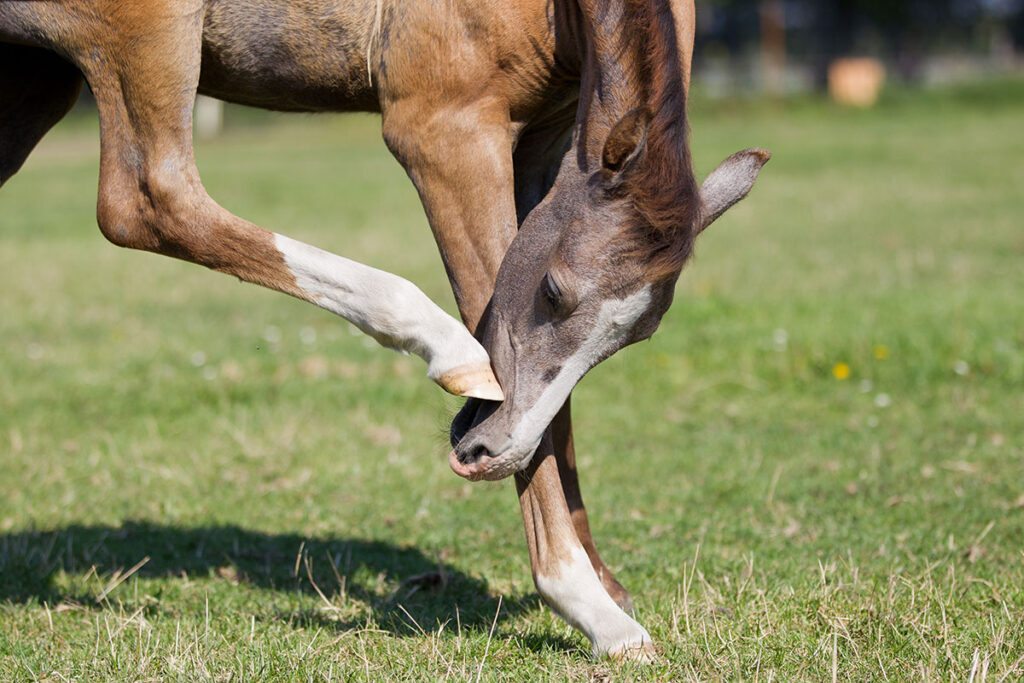
A youngster’s hoof care lays the foundation for his future. Here’s what you need to know about the first exam, mistakes to avoid, and common foal hoof and limb issues.

Horses are social animals, and isolation can take a toll on their mental and physical health. Scientists continue to uncover the effects of social contact on horse welfare.

Always treat wounds near joints as emergencies. An equine veterinarian explains why and what you can do to limit the risk of infection until the vet arrives.

Learn about the challenges and unique needs of school horses and how to keep them sound for the long haul.
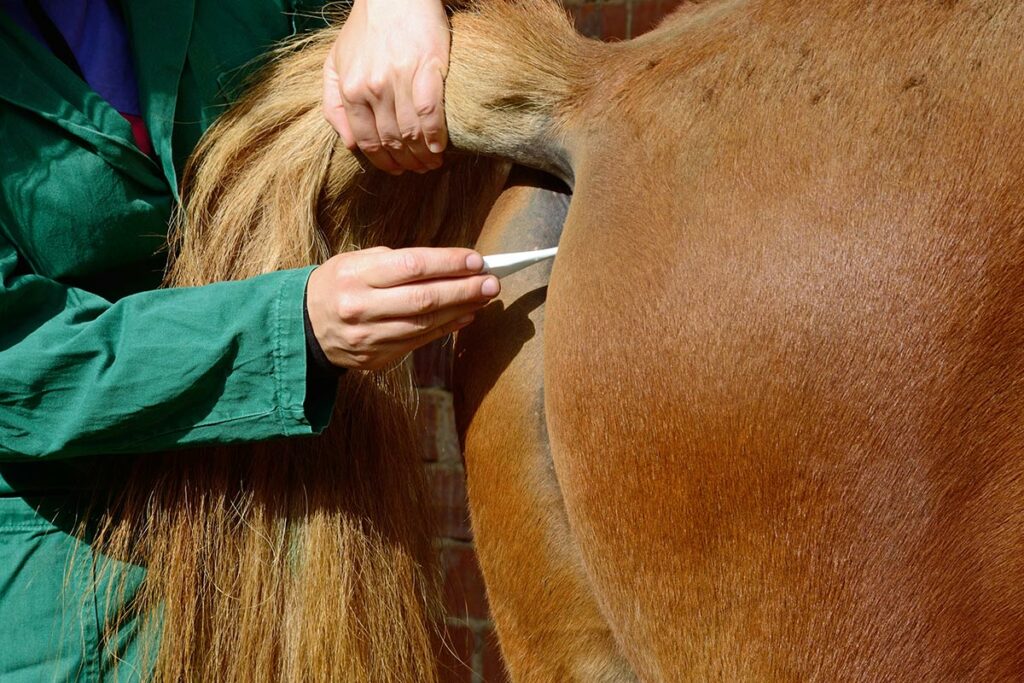
Taking your horse’s temperature is a key health check. New research suggests repeating digital thermometer readings can improve fever detection.
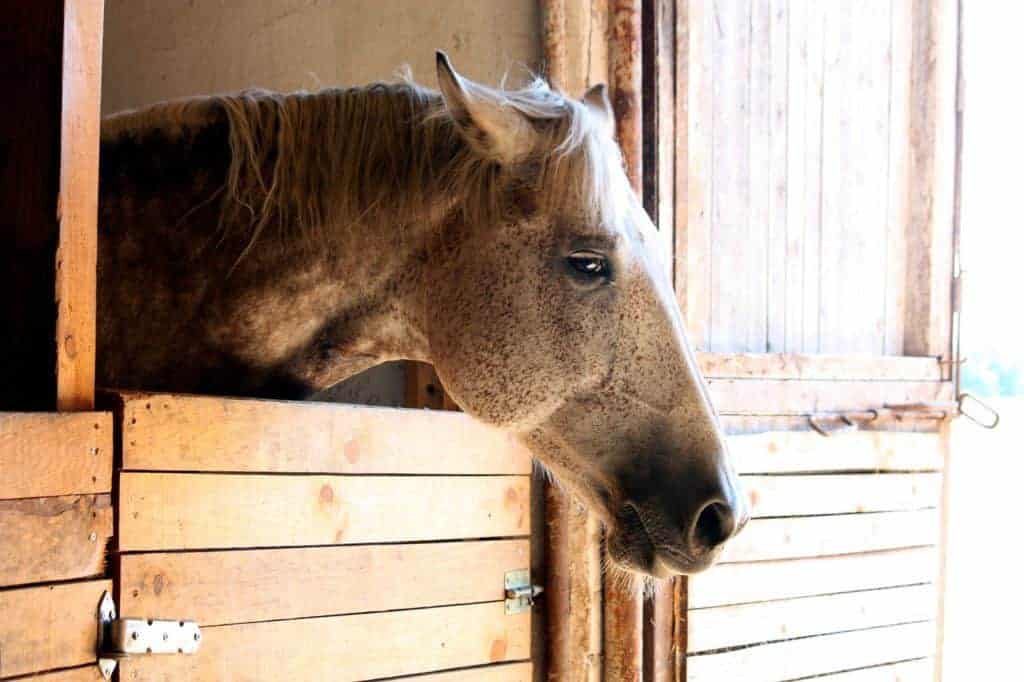
Chronic diarrhea in horses has many possible causes, from sand accumulation to lymphoma. Find out how veterinarians diagnose and manage these challenging cases.

Have your veterinarian perform a fecal egg count reduction test to ensure your horse‘s deworming protocol is effective and to reduce the incidence of parasite resistance.