Equine Collapse Reviewed

Equine collapse frequently presents a diagnostic challenge for veterinarians, and many cases go unsolved.
ISES Conference Kicks off July 18
This year’s conference theme is “Embracing Science to Enhance Equine Welfare and Horse-Human Interactions.”
Foreman: Racehorse Drug Model Rule a ‘Living Document’
The regulations are a “living document” that likely will be adjusted based on industry needs, one group says.
Tevis Research Evaluates Horses’ Blood Chloride Levels

Veterinarians are aiming to identify endurance horses in danger of metabolic failure during competition.
Poll Recap: Readers Discuss Complementary Therapy Habits
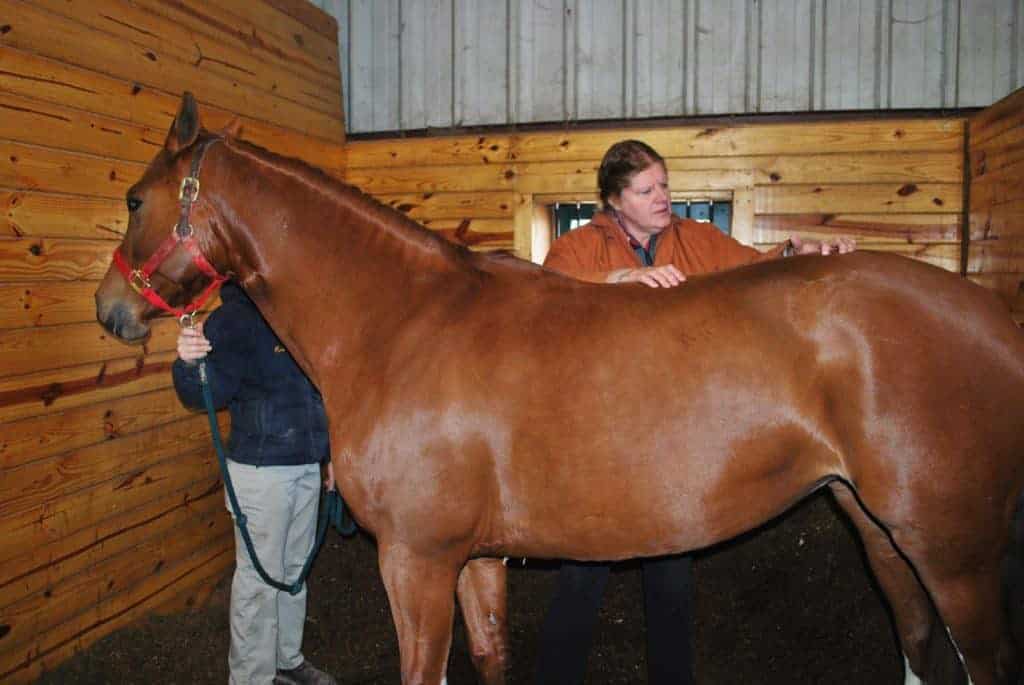
Most readers said they’ve incorporated at least one complementary therapy into their horses’ care.
New Hope for Horses with Fibrotic Myopathy

Laser surgery might soon be a high-tech treatment option for horses with gait-altering fibrotic myopathy.
Quarter Horse Cloning Lawsuit Heads to Court
A lawsuit challenging AQHA rules preventing registration of cloned horses heads to court this week.
Equine Veterinarian Voss Dies at 79
Equine reproduction authority James L. Voss, DVM died July 12 following a long illness. He was 79.
Potomac Horse Fever Cases Confirmed in Virginia

Several cases of Potomac horse fever have been confirmed in central Virginia, prompting an outbreak alert.
Scientists Question Clenbuterol Regulations for Racehorses
Some veterinarians expressed concerns over the proposed clenbuterol withdrawal time and testing levels.
Snakebite in Horses
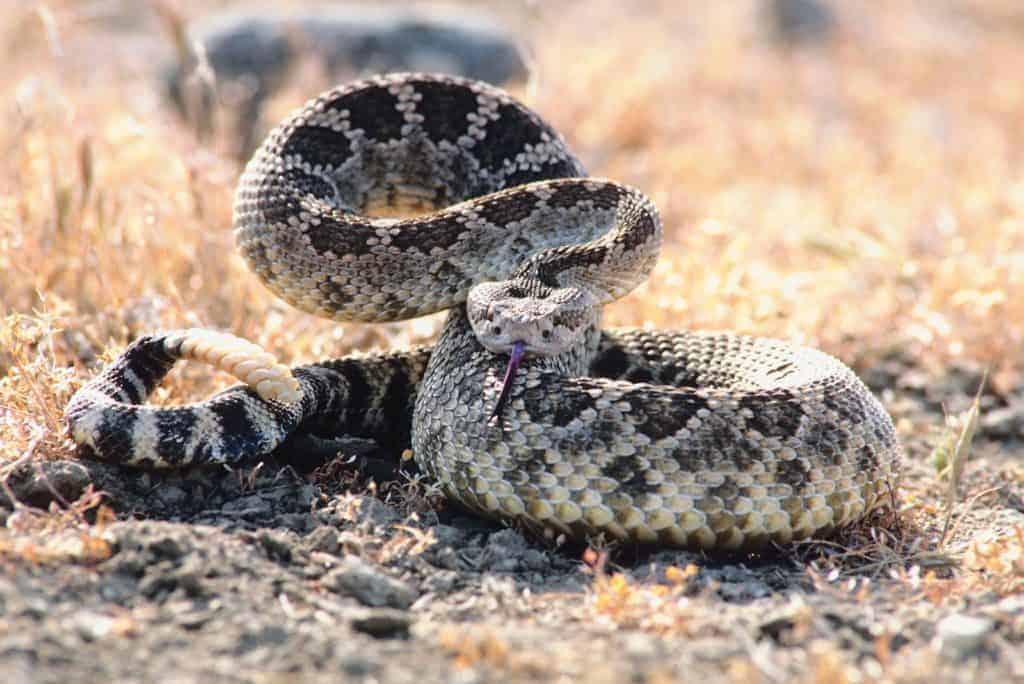
Learn about the clinical signs of snakebites and treatment options that could help affected horses recover.
: Only an Opportunist?
S. zooepidemicus is frequently isolated in the respiratory tract of weanling and yearling horses.
More Than 750 Stallions Gelded with UHC’s Operation Gelding
More than 750 horses have been castrated in 26 different states since the program?s inception in August 2010.
Turnout Time’s Impact on Grass Consumption and Fecal pH

Researchers showed that reduced time on pasture increases consumption rate and decreases fecal pH in horses.
Streptococcus zooepidemicus: Only an Opportunist?
S. zooepidemicus is the most frequently isolated bacterial pathogen of the respiratory tract of weanling and yearling horses.
Conducting a Scientific Survey of an Equine Population

Reliable data on a state’s equine industry is important for veterinarians and business owners, among others.