The Science Behind Rehab Therapy
In the right hands, these physical therapy methods can help rehabilitate injured horses.


In the right hands, these physical therapy methods can help rehabilitate injured horses.

One study evaluated the effects of needle size and clipping hair on debris found in joints after injection.
Like many of our own ancestors, horses had no choice when they were called upon to serve in the World Wars.
Research has shown that performing carrot stretches can strengthen the muscles that stabilize a horse’s back.

Bracelets and leg weights strengthen and activate certain muscles to help improve hind end gait abnormalities.
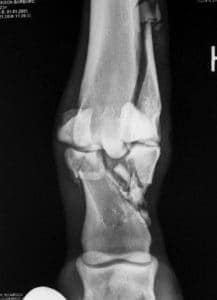
Using computational modeling, researchers can examine “what if” scenarios related to equine injuries.
Equine disease research results could be used to investigate similar health conditions in humans.

Reliable equine pain models are required for testing the effectiveness of new or existing pain-killing drugs.
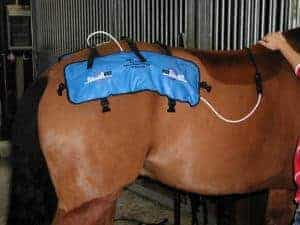
Sheila Schils, PhD, discusses electrotherapy’s place in physical therapy and the different devices available.

Research has shown that some dietary changes have a beneficial effect on semen quality and stallion fertility.
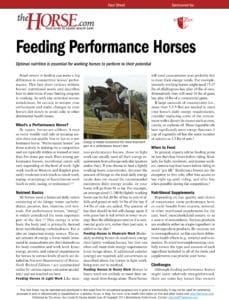
Small errors in feeding can make a big difference in competitive horses’ performance. This fact sheet reviews athletic horses’ nutritional needs and describes how to determine if your feeding program is working.

A green-lipped mussel-derived product could be useful for combating some signs of osteoarthritis in horses.

Objective methods to help veterinarians address horses’ quality of life have yet to be developed.
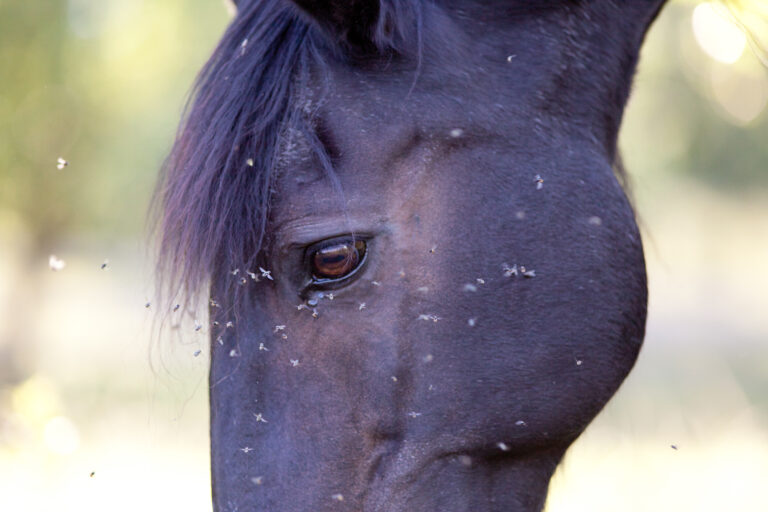
A new product–the mosquito laser–could help protect horses from infectious mosquito-borne diseases.
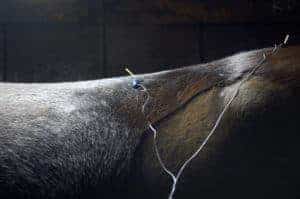
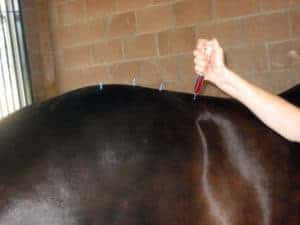
Exploring the evidence regarding the use of acupuncture in equine medicine.
Alternative medicine coursework in equine veterinary education has increased about 30% in the past decade.