New World Screwworm Confirmed in Texas Horse

This marks the first equine case of New World screwworm as part of the current outbreak.
Share
Favorite
Please login to bookmark Close
ADVERTISEMENT

On Sept. 10, the USDA confirmed New World screwworm (NWS) in a horse in Presidio County, Texas. According to the United States Equestrian Federation, NWS was found on the hind limb of a working ranch horse. This is the first equine case in the United States this century.

EDCC Health Watch is an Equine Network marketing program that utilizes information from the Equine Disease Communication Center (EDCC) to create and disseminate verified equine disease reports. The EDCC is an independent nonprofit organization that is supported by industry donations in order to provide open access to infectious disease information.

About New World Screwworm

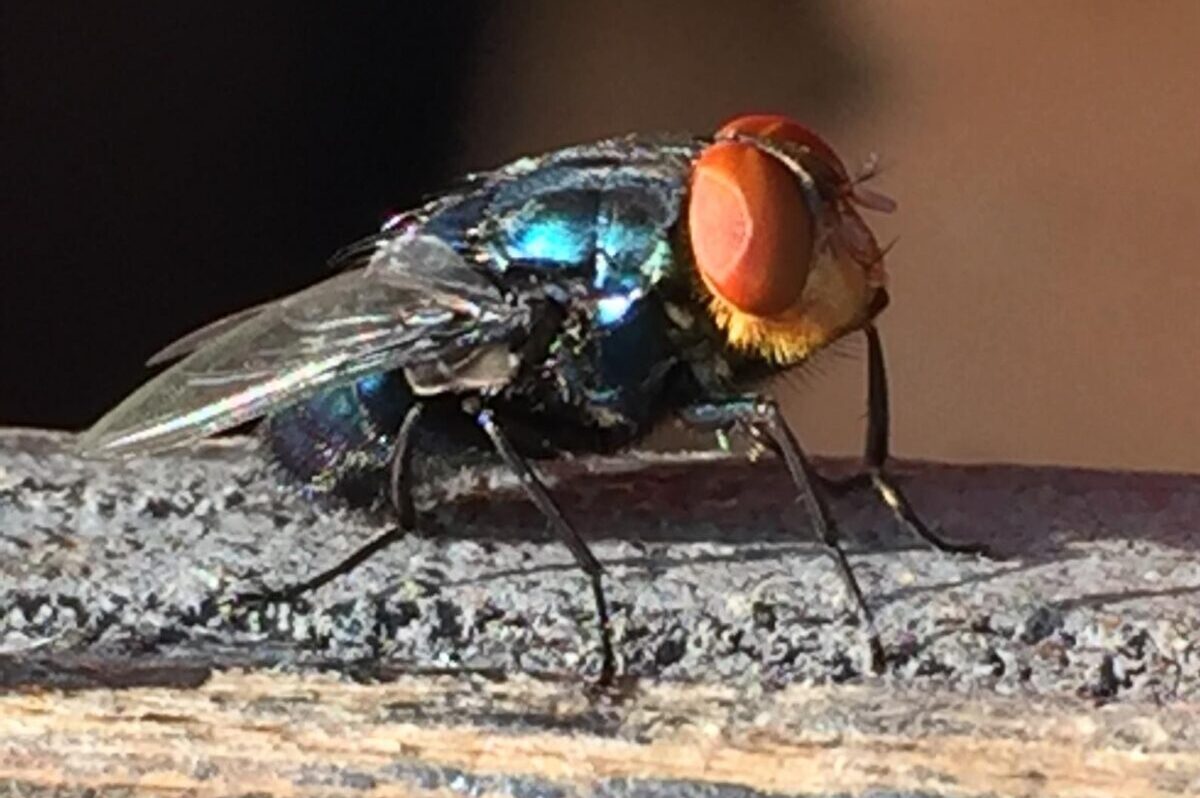
New World screwworm (NWS) is not actually a worm, but the larvae of blow flies (Cochliomyia hominivorax) that feed on the living tissue of horses and other warm-blooded animals. Adult flies do not bite. Females lay their eggs in open wounds or mucous membranes, and even a tick bite can attract them.

Clinical signs include painful, rapidly growing wounds containing maggots; extensive tissue damage; foul odor; secondary bacterial infection; reduced appetite; and weight loss. Larvae in limb wounds can burrow into synovial structures such as tendon sheaths and joints.

Animal health officials eradicated NWS from the United States in the 1960s and pushed it back to Panama, but the parasite steadily marched north, and the USDA began reporting cases in early June 2026. Officials reported NWS in cattle, goats, sheep, and a dog before it was detected in a horse in early September 2026.

If you suspect New World screwworm, contact your veterinarian immediately. Veterinarians must report suspected cases to state animal health officials and the USDA. Affected horses need prompt examination and treatment, and larvae must not fall to the ground, where they can mature and continue the life cycle.

Share

Written by:

Sign Up for EDCC Health Alerts

Don’t miss an important EDCC Health Alert! Get alerts delivered straight to your inbox by signing up for The Horse’s newsletter.

"*" indicates required fields

This field is for validation purposes and should be left unchanged.
Name*

Additional Offers

Weekly Newsletters
Monthly Newsletters
Other Newsletters

More Alerts

Stay on top of the most recent Horse Health news with

FREE weekly newsletters from TheHorse.com

Sponsored Content

Weekly Poll

sponsored by:

Readers’ Most Popular

Sign up for EDCC Health Watch text alerts to get notified when an equine disease outbreak is reported in your state or region.

Sign In

Don’t have an account? Register for a FREE account here.

Create a free account with TheHorse.com!

The Horse
Privacy Overview

This website uses cookies so that we can provide you with the best user experience possible. Cookie information is stored in your browser and performs functions such as recognising you when you return to our website and helping our team to understand which sections of the website you find most interesting and useful.