

UK Researcher Awarded $2.9 Million for EAV Research
Udeni Balasuriya, BVSc, MS, PhD, will study genetic factors related to the EAV carrier state in stallions.

Selecting the Best Joint Therapy Approach
One veterinarian reviews different non-steroidal joint medications commonly used in equine joint therapy.

Florida EHV-1: One Farm Released from Quarantine
A quarantine on a Wellington horse farm due to EHV-1 has been released; the case count in Ocala holds steady.

EHV-1 Horse Health Alert
Special Edition: We address current EHV-1 cases in North America and offer information to protect your horses.

Breeders’ Cup Will Not Expand Furosemide Ban in 2013
As in 2012, Salix use is prohibited in Breeders’ Cup races for 2-year-olds but allowed in all other races.
UK Equine Programs Career Fair Scheduled for March 5
The event provides college students the opportunity to meet prospective equine industry employers.
UC Davis Expands Equine Dentistry Service
The UC Davis Equine Medicine and Dentistry Service is now able to offer more advanced techniques.
RMTC Calls Nikethamide ‘Very Dangerous Drug’ for Horses
It’s the first in more than a decade, but a recent positive nikethamide test has racing regulators’ attention.

Meloxicam vs. Phenylbutazone: Effects on Horses’ Gastric Mucosa Studied
A recent study showed that some newer NSAIDs could have fewer adverse GI effects on horses than older drugs.
Penn Vet Announces Equine Short Course Schedule
The upcoming short courses will cover topics including stallion handling and equine behavior.
CANTER Transitions 1,000+ Ex-Racehorses in 2012
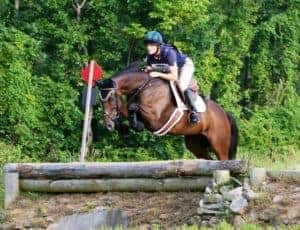
CANTER is celebrating a milestone year for transitioning ex-racehorses into second careers.

GI Drug Could be Useful for Equine Eye Exams (AAEP 2012)
N-butylscopolammonium bromide could be useful for helping veterinarians examine horses’ eyes.
Lecture on Worrisome Equine Wobbling Scheduled
The presentation will cover what owners should do if they think their horse might be neurologic and more.
Don’t Ignore Drug-Resistant Equine Parasites
Over the years, parasites have developed resistance to certain commonly used anthelmintic classes.

Tests: How Do They Measure Up? (AAEP 2012)
Researchers tested the usefullness of four blood serum tests in detecting L. intracellularis.

Lawsonia intracellularis Tests: How Do They Measure Up? (AAEP 2012)
Researchers recently examined four types of blood serum tests to determine their usefulness in detecting L. intracellularis, the bacterium that causes a disease of weanlings called equine proliferative enteropathy.


