Equine Neurologic Disease
The accurate diagnosis of equine neurologic disease is important for several reasons.

The accurate diagnosis of equine neurologic disease is important for several reasons.

This equine herpesvirus outbreak serves as an excellent reminder of the importance of good biosecurity practices.
Officials have lifted the restrictions placed on one barn at the Campbellville Training Centre in Ontario.
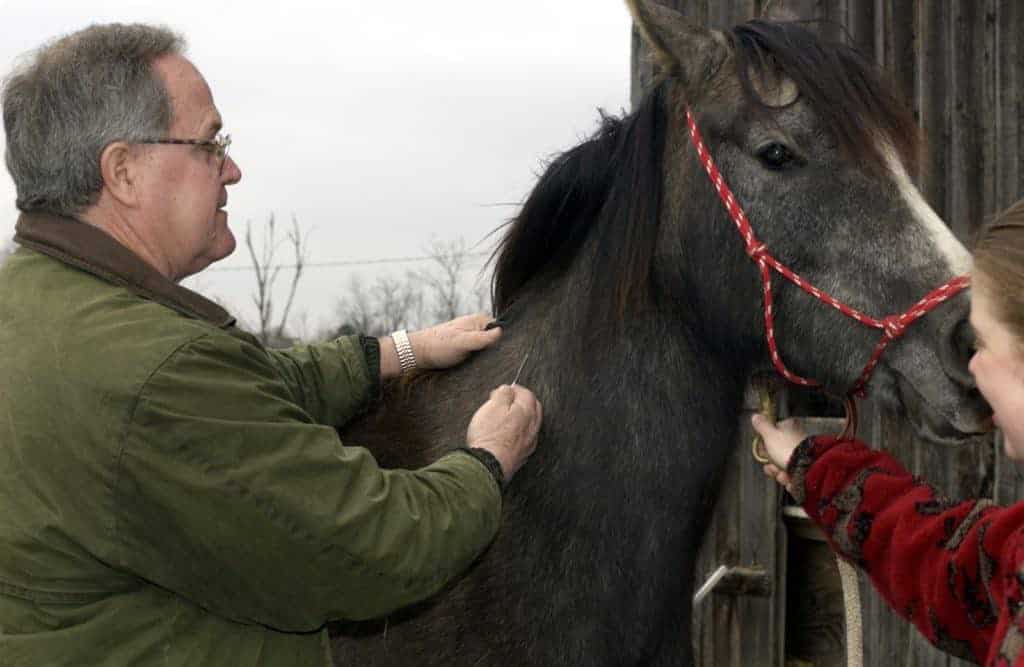
Brad LeaMaster, DVM, PhD, advised owners to protect their horses against WNV and EHV-1 this spring.
Two Standardbred horses have tested positive for equine herpesvirus-1 (EHV-1).

Researchers say not all biosecurity protocols owners use will protect horses from infectious diseases.
One of three EHV-1 positive horses at Vernon Downs has been euthanized, a May 8 statement said.

Laboratory tests indicate at least four horses stabled at Vernon Downs are positive for EHV-1.

Officials implemented a quarantine at Vernon Downs in New York after confirming a case of EHV-1 on May 4.
Neurotrophic equine herpesvirus-1 (EHV-1) was recently confirmed in Wellington County, Ontario, Canada.
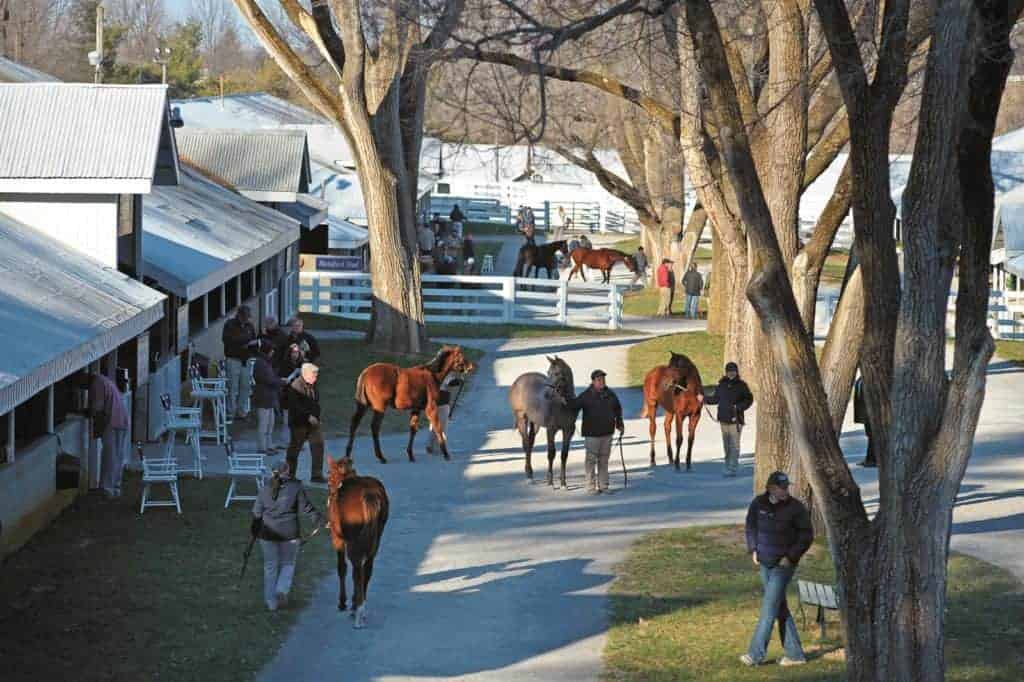
Remember to employ good biosecurity practices to help prevent infectious disease spread.
The organizations are leading the charge to track and provide information on equine disease threats.
Reported diseases include contagious equine metritis, strangles, influenza, equine herpesvirus, and more.
A single horse in Clark County, Nev., has tested positive for equine herpesvirus-1 (EHV-1).
The last of the quarantines imposed on several farms due to a recent EHV-1 outbreak were released April 10.
Officials reported the gelding had tested positive for EHV-1 on March 25.