Protein Primer
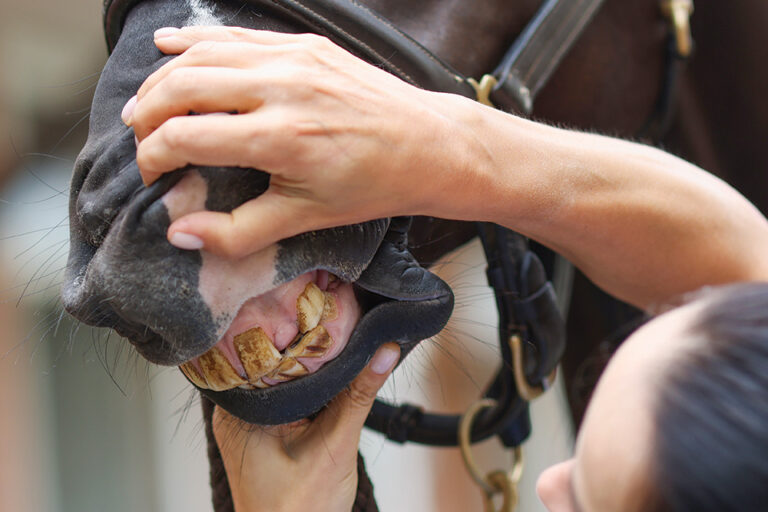
Proteins and the amino acids that form them play important roles in the horse’s body, from muscle building and function to neurotransmission and hormone synthesis.

Proteins and the amino acids that form them play important roles in the horse’s body, from muscle building and function to neurotransmission and hormone synthesis.

When will your mare foal? Learn the signs of impending foaling and what prognostic tools can help.

Because NSAIDs can interfere with ovulation, researchers investigated whether Bute use affects egg quality or embryo development during assisted reproductive procedures.

How to decide if your older mare is a good candidate for breeding and improve her chances of success.

How veterinarians navigate 4 common scenarios, from dehydration to the postpartum period, that increase colic risk.

Foal rejection can jeopardize the foal’s health—and even life—due to failure of passive transfer of immunity or risk of severe injury.
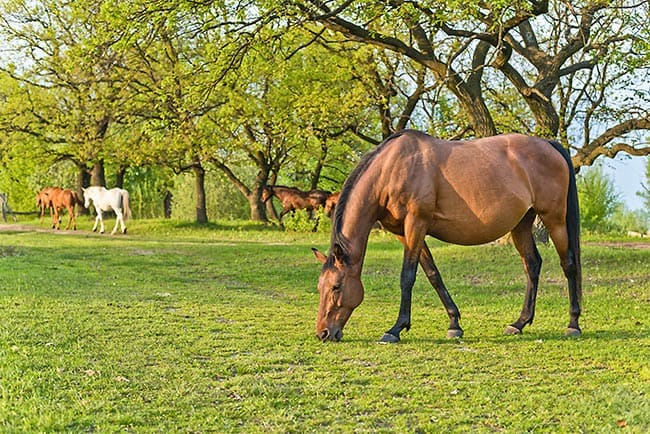
With careful management and feed selection, owners can provide broodmares the nutrients they need to support foal growth. Here’s what one equine nutritionist recommends.

How to ensure the late-gestation mare is getting enough nutrients to meet both her needs and those of the developing fetus.

Equine veterinarians break down equine herpesvirus-1 transmission, testing, neurologic disease, and prevention.

Take a closer look at what’s new in assisted equine reproduction and what that means for horses and humans.

Fevers flag a health problem in horses, but what should you do when you can’t determine the cause? Here’s how veterinarians handle this frustrating problem.

Here’s what you need to know about stopping the spread of this highly contagious virus.

Learn more about equine herpesvirus (EHV) and how to protect your horse.
Learn about this highly contagious equine virus and how to curb its spread.

Late in pregnancy, mares’ abdominal space is limited, and they can experience colic.
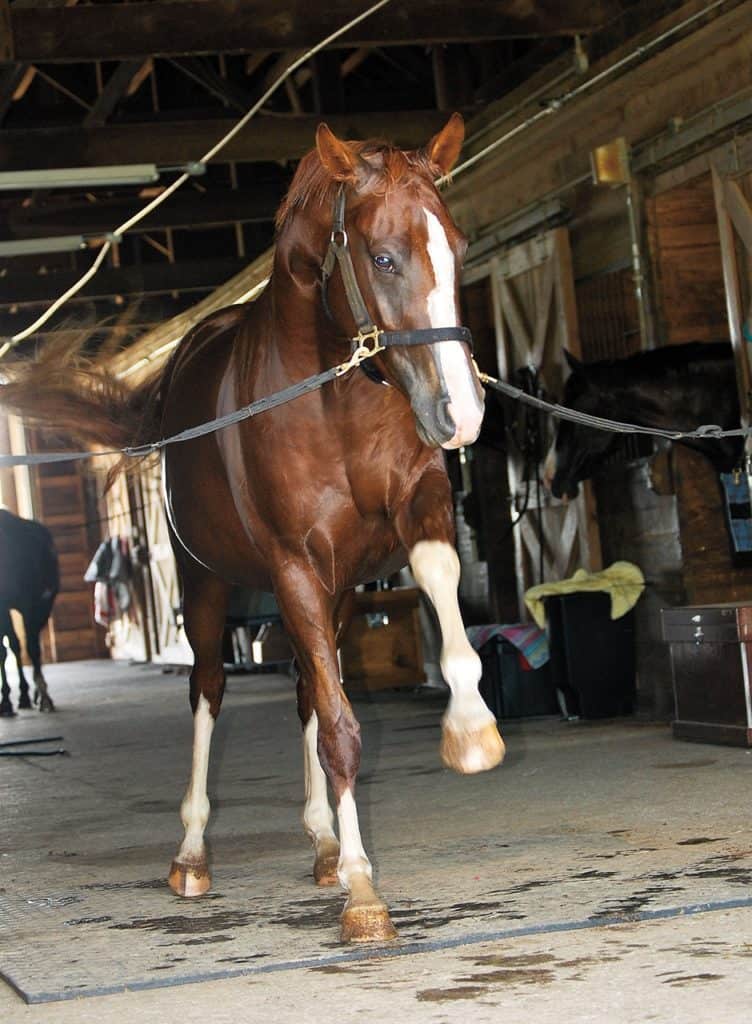
Dr. Carleigh Fedorka explains which mare behaviors are normal and which are cause for concern in this Ask TheHorse Live excerpt.