Older Horse: From Too Fat to Too Thin
A once-heavy senior horse is struggling to hold condition after dental work. Our nutritionist weighs in.

A once-heavy senior horse is struggling to hold condition after dental work. Our nutritionist weighs in.

Born to forage all day, horses constantly secrete stomach acid. Acid-buffers can help meal-fed horses, but will they create future problems? Find out from our equine nutrition expert.

How often should you feed your horses each day? Our nutrition expert weighs in with advice.

Learn about the importation process and how your horse will eat during quarantine before entering the United States.

How do you choose between plain white salt blocks, red mineralized blocks, and rock salt on ropes? One nutritionist offers advice on adding salt in your horse’s diet

A nutritionist offers ideas for getting a pre-Cushing’s horse to eat his supplements while maintaining his special diet.

An equine nutritionist breaks down how horses use dietary fat and provides current recommendations for feeding omega-3 and omega-6 fatty acids.

A horse owner asks how omega-3s might help her hives-afflicted horse and if adding a fat supplement will unbalance his diet.

Learn how to avoid combustion and barn fire caused by your stored hay.
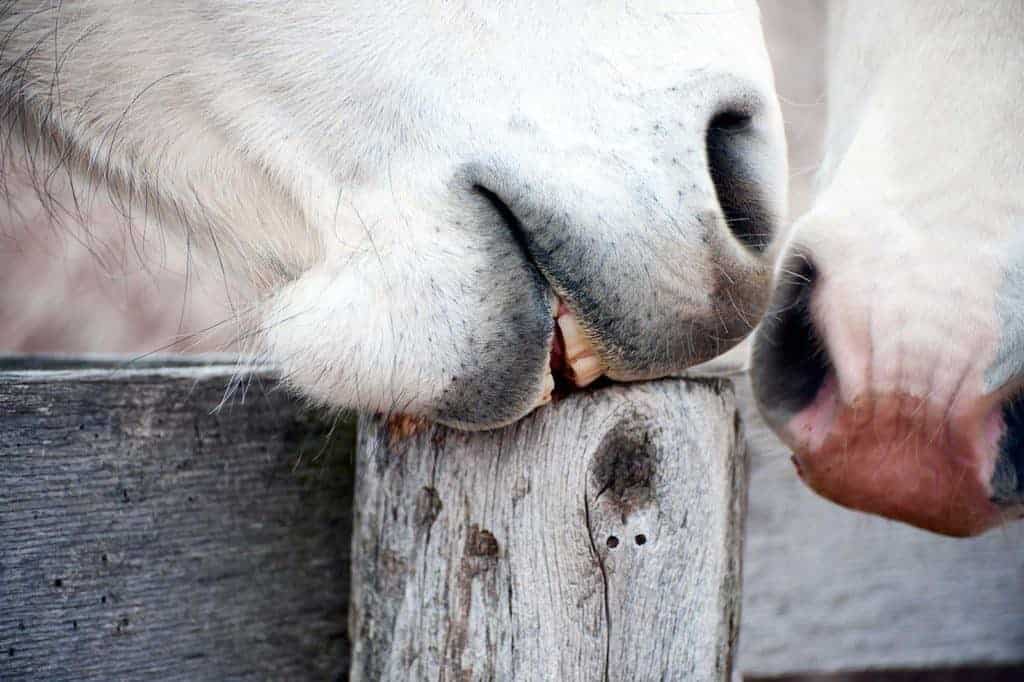
Our equine nutrition expert offers advice to keep horses from chewing on barn wood and fence posts.

Get tips for helping prepare beet pulp for horses even when it’s cold outside.
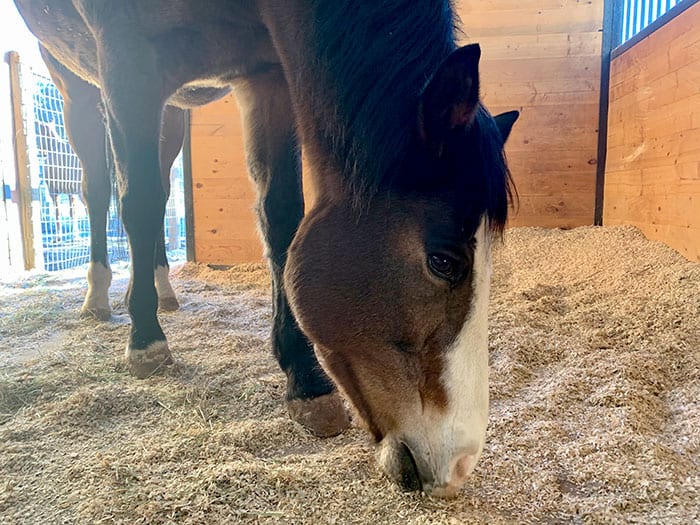
An easy keeper began eating bedding after his owner started soaking his hay. A nutritionist describes possible reasons for this behavior and suggestions to solve it.

Texas experienced record-breaking winter weather and power outages in February 2021 that forced owners to get creative to ensure their horses had access to water. Read about their solutions in this reprint.
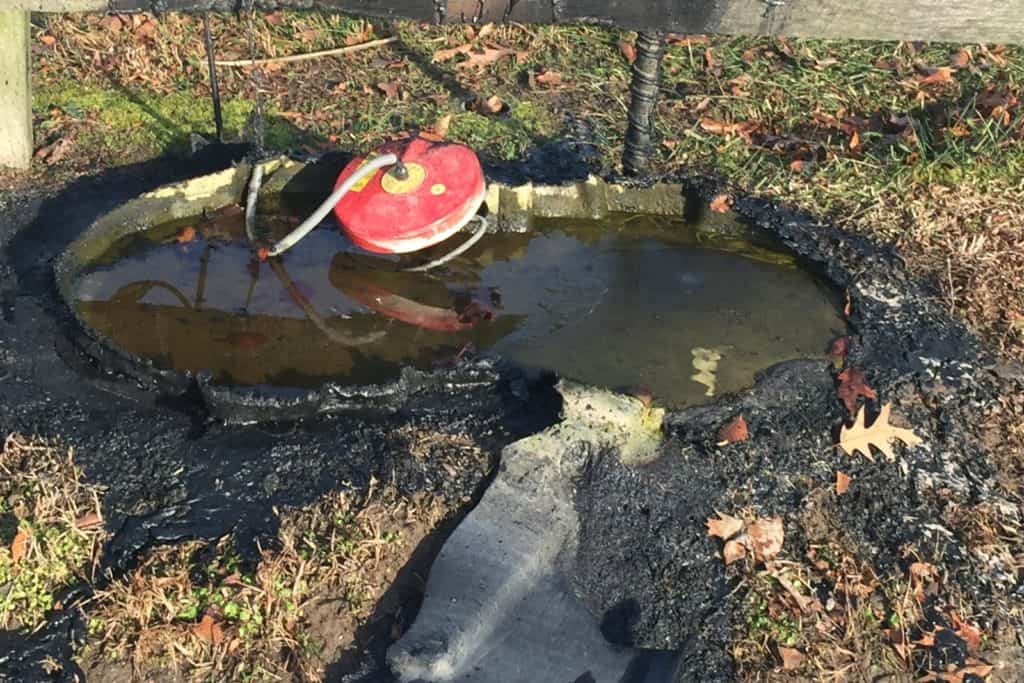
Are you using heated water buckets or troughs this winter? Stay safe with these tips.
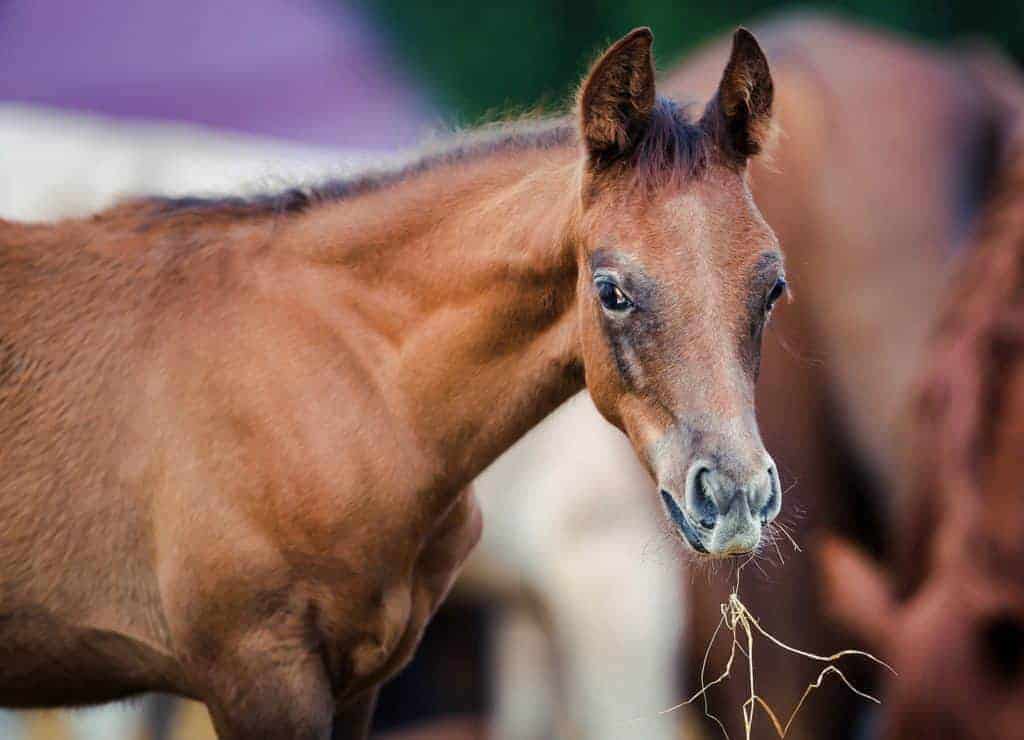
Our nutritionist offers advice on feeding foals both before and after they’re weaned from their dams.

Our equine nutritionist and physiology expert offers advice on managing horses that have stopped sweating.