Antioxidant Status in Three-Day Eventing Horses Studied
A recent study shows that antioxidant levels appear to be challenged during the competition.

A recent study shows that antioxidant levels appear to be challenged during the competition.
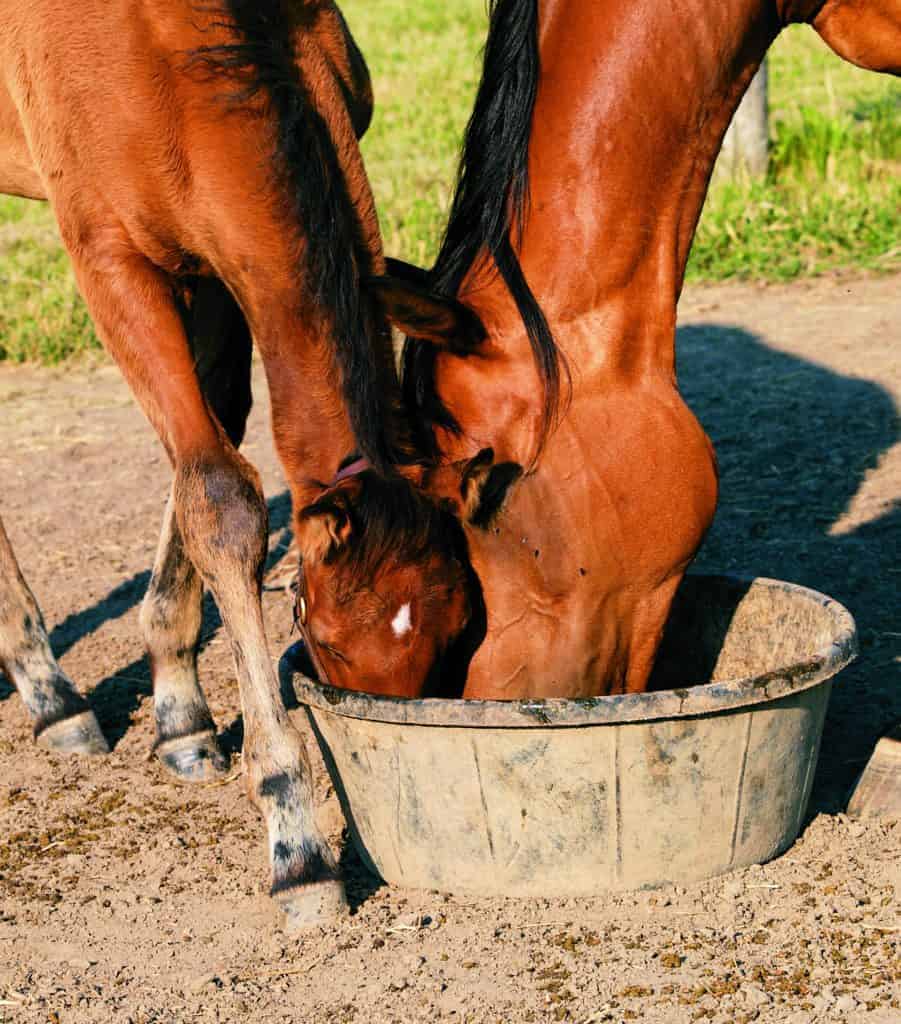
Understanding broodmares’ nutrient requirements can make developing a feeding program a less daunting task.
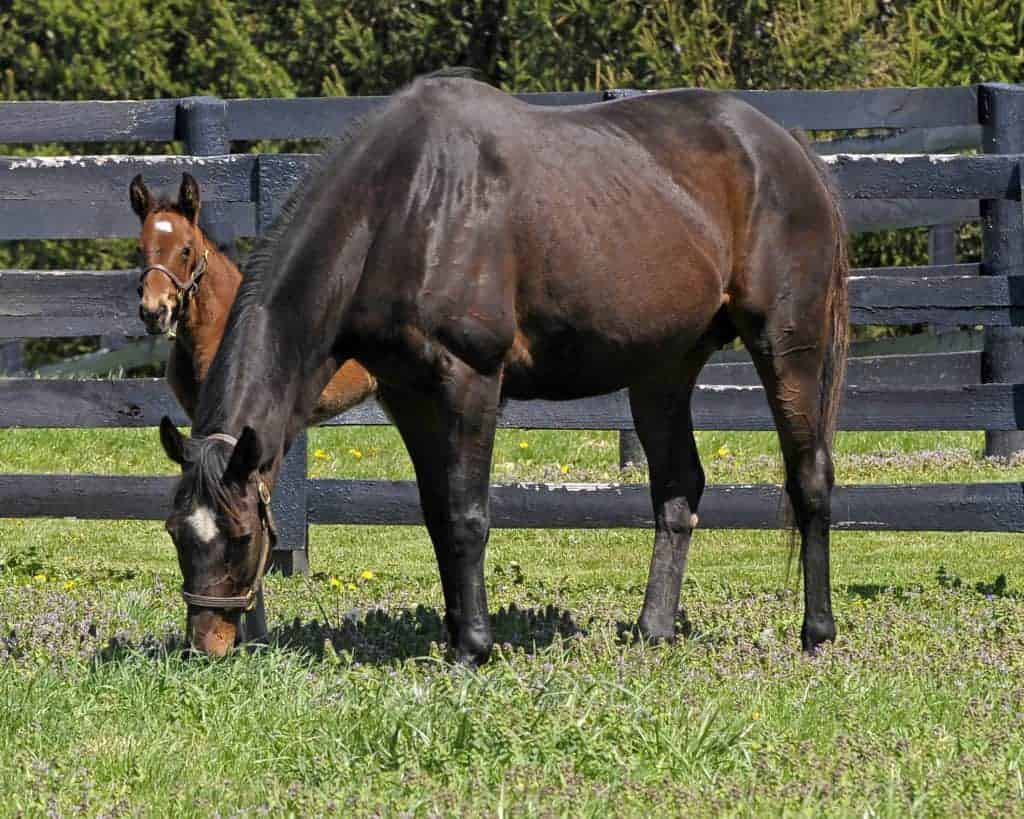
Foals of mares consuming organic selenium had higher blood selenium concentrations than other foals.

Appropriate forage, forage alternatives, and/or concentrates can keep aged horses at a healthy body condition.
Selenium and vitamin E work together to alleviate muscle damage and signs of tying up in horses.

If a horse eats an adequate diet there might be no need for supplementation without a specific deficiency.
Topics of discussion will include vitamin and mineral supplementation, managing hay, and ration balancing.

Which equine nutritional supplements have the research to back up their claims?
Ensuring your horse maintains a balanced calcium and phosphorus ratio in his diet is critical, as horses with
Science has shown us that horses require magnesium to keep their bodies functioning properly, so should owners
A lack of scientific research in equine nutrition makes it difficult to base a feeding program solely on
Horses with neurologic disease often receive oral vitamin E supplementation.
A particular form of vitamin K could be a potential candidate for increasing equine bone density while decreasing breakdown. However, veterinarians caution that this is not a viable supplementation route to pursue until further research on the effect
The immune system allows humans and animals including horses to survive in a complex world filled with harmful bacteria and viruses that can use our bodies for nourishment and reproduce within us. The immune system protects us from those organisms
Research indicates that supplementing essential fatty acids in horses’ diets is useful and might be required.

When it comes to designing diets, knowing the basics of how horses digest food is half the battle. It’s important to consider each horse’s energy requirements before developing a feeding schedule.