The Equine Liver in Health and Disease
The liver is a complex organ tasked with many vital functions that maintain and sustain a horse’s health and life.

The liver is a complex organ tasked with many vital functions that maintain and sustain a horse’s health and life.

Foaling rates one and two years after successful cyst removal via laser photoablation were 74% and 65%, respectively.

Epiploic foramen entrapments and gastrosplenic ligament entrapments are similar, but have some key differences.
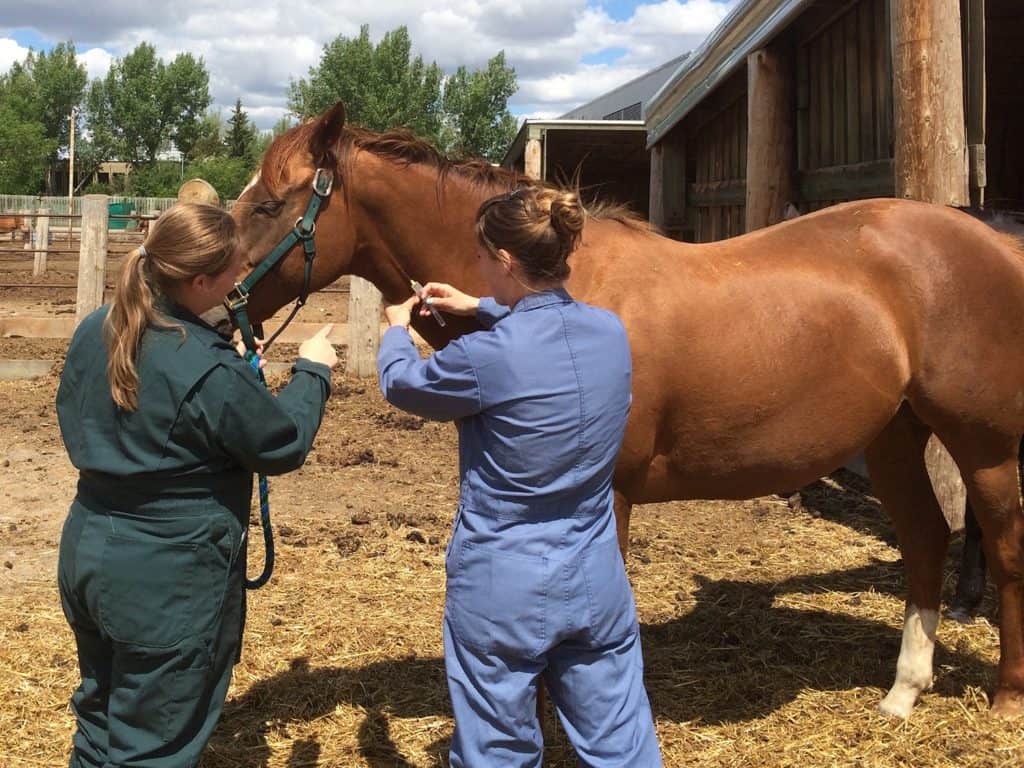
A vet student shares her experience studying equine neutrophil function at various incubation temperatures.

MicroRNA, a small nonprotein coding gene, holds potential as a novel way to diagnose various diseases in the horse.
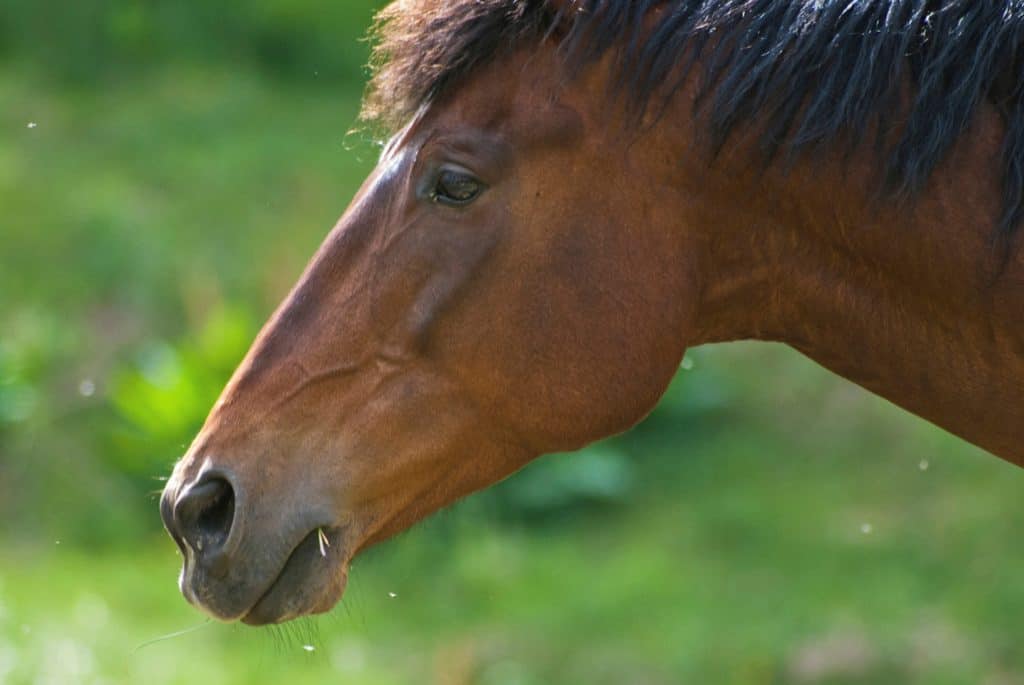
Researchers found a “strong association” between horses developing asthma after contracting a rhinitis virus.
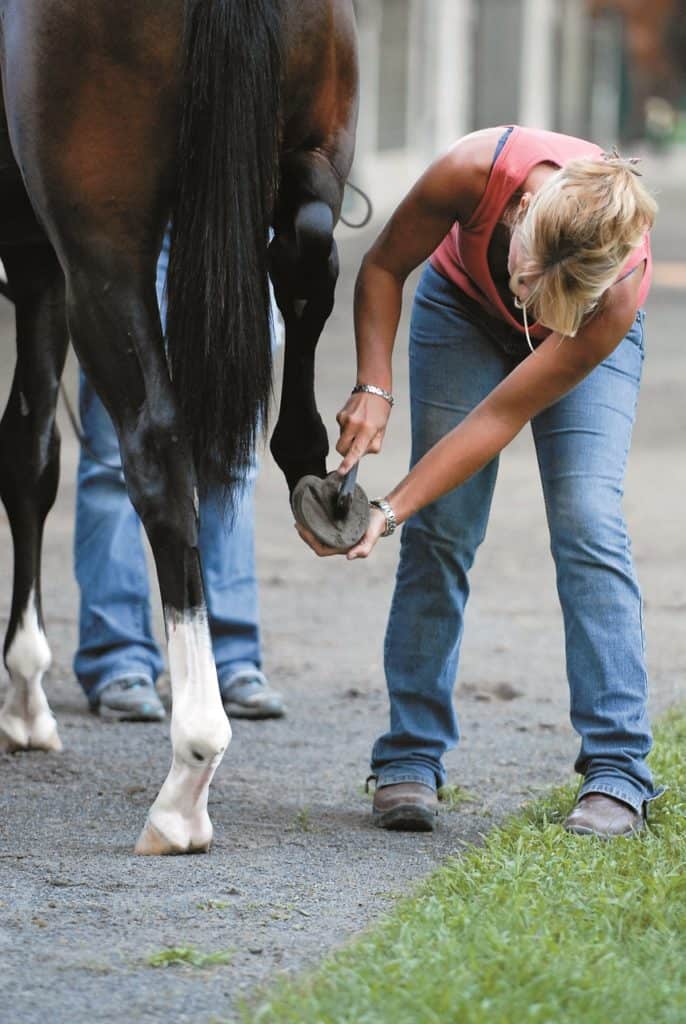
Our behavior expert looks at the reasons punishment often doesn’t work with horses and offers alternative solutions.
Seminar topics include imaging the equine neck, reproduction, and soft-tissue injuries in performance horses.
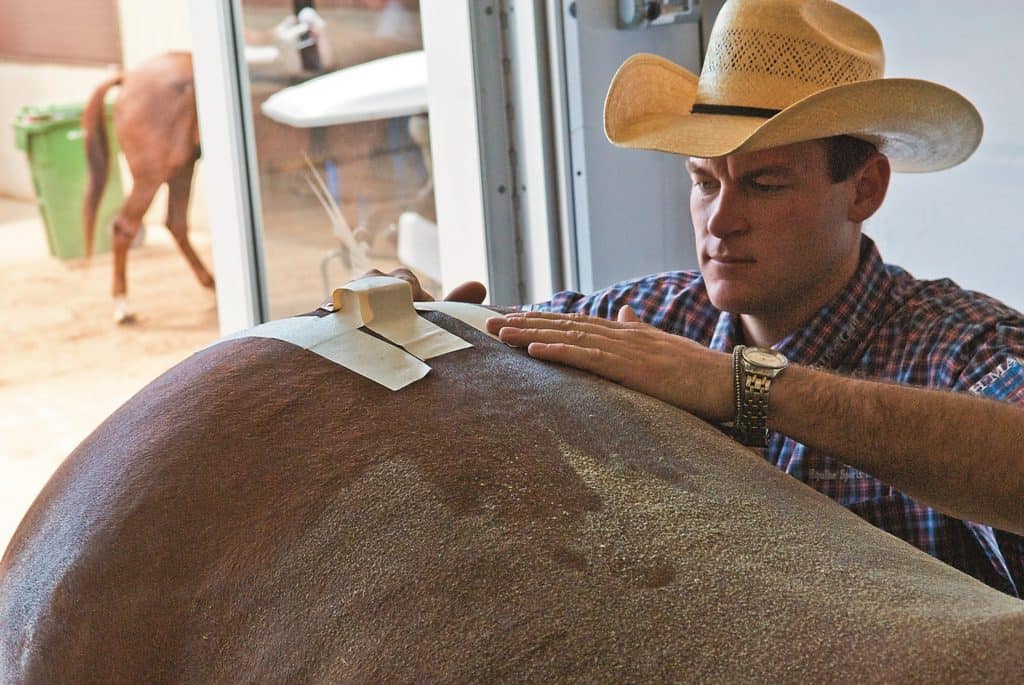
There was a strong correlation between vet and inertial sensor system when evaluating lameness change post-nerve-block.
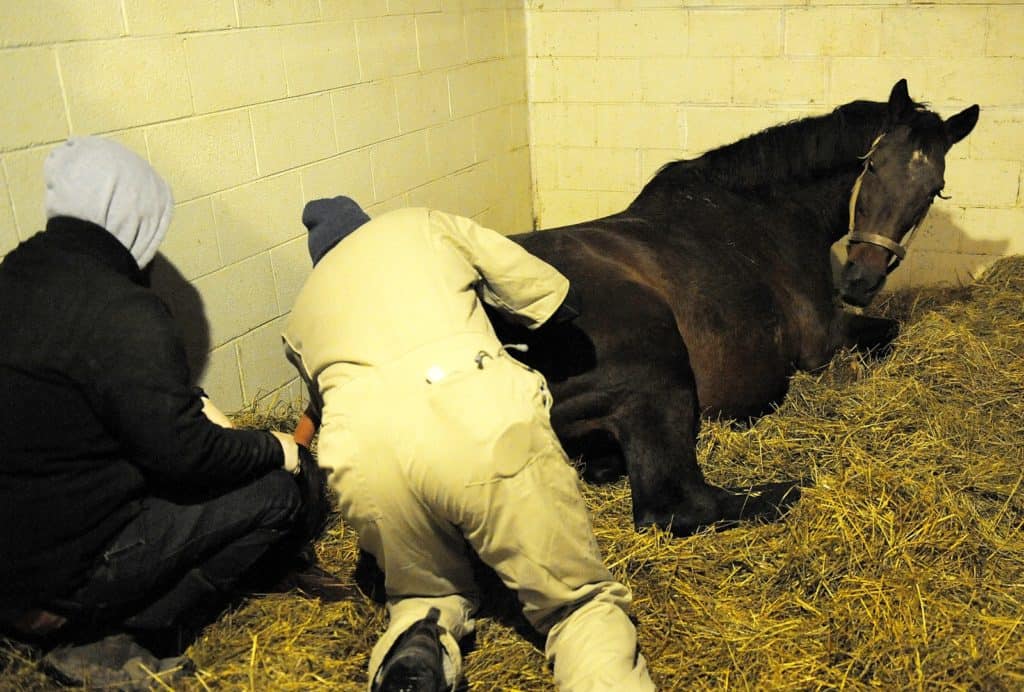
Eighty-one percent of mares survived with treatment and 77% of mares bred the subsequent year carried a foal to term.
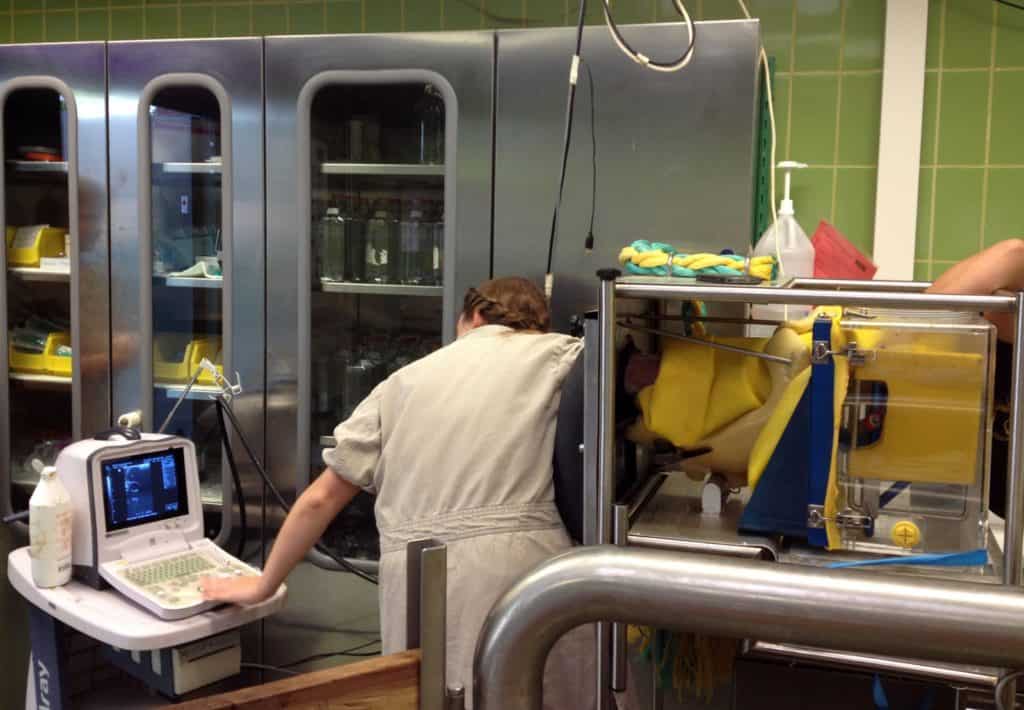
Researchers recently tested an equine gynecological exam simulator for its suitability in veterinary training programs.
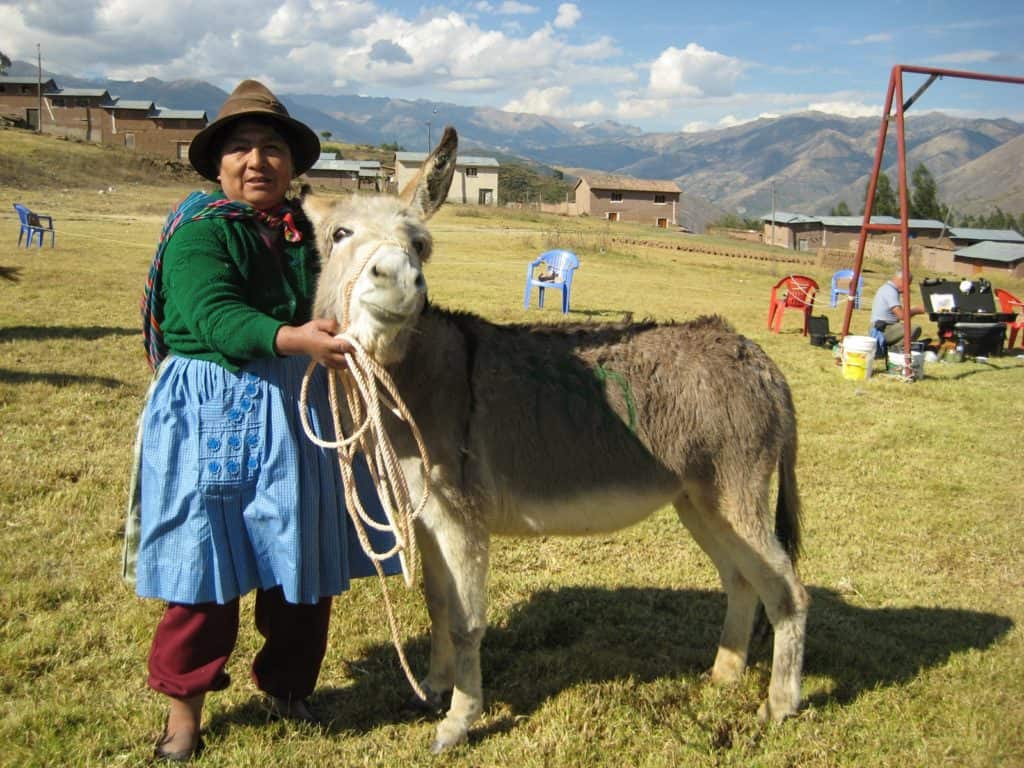
Researchers recently confirmed that in poor and rural communities, equid health is intrinsically linked to human health.
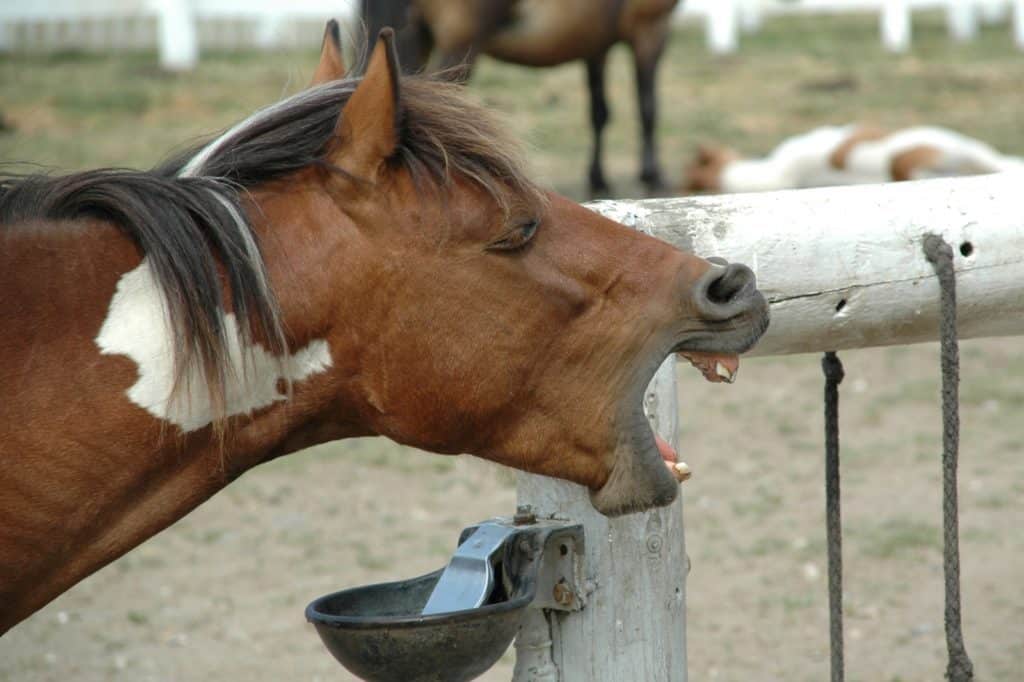
From behavioral changes to yawning, signs of neurologic problems in horses can be challenging to decipher.

The new scanner is wider than the standard size, which should allow most of a horse’s neck to be examined.

Veterinarians should be familiar with what’s normal and what’s not normal on a foal’s blood sample test results.

Some horses respond to insect bites with inflammation and itching; others react with cellular-level defense mechanisms.