Tracking Down (and Preventing) Emerging Equine GI Diseases
Learn what GI diseases to watch for, how veterinarians detect them, and how to avoid them in the first place.

Learn what GI diseases to watch for, how veterinarians detect them, and how to avoid them in the first place.

For years veterinarians’ options were limited, but new products are helping them control horses’ pain better than ever.
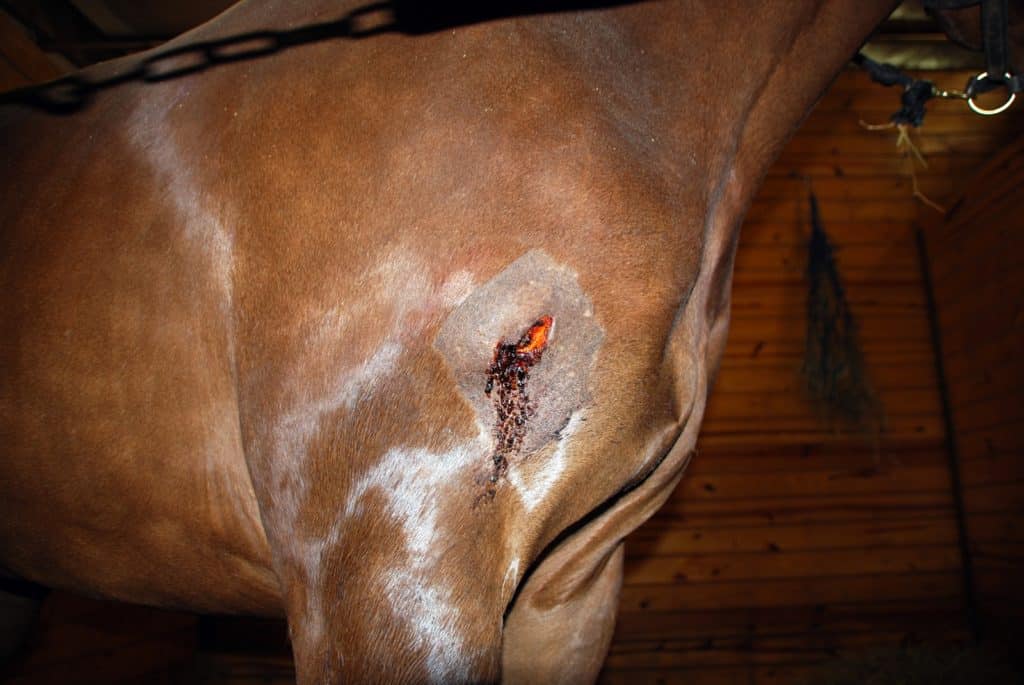
Chronic infected wounds are challenging for vets to manage, not to mention distressing and costly for the horse owner.

MRI can identify telltale changes in horses’ pars intermedia, which are responsible for the debilitating condition.

Not all grafts are created equal, and some are better-suited for certain areas of the body than others.

Learn how a vet becomes licensed and why, even after nearly a decade or more of schooling, he or she keeps learning.

Though the overall prognosis isn’t great, some foals with incomplete ossification can race if managed properly.
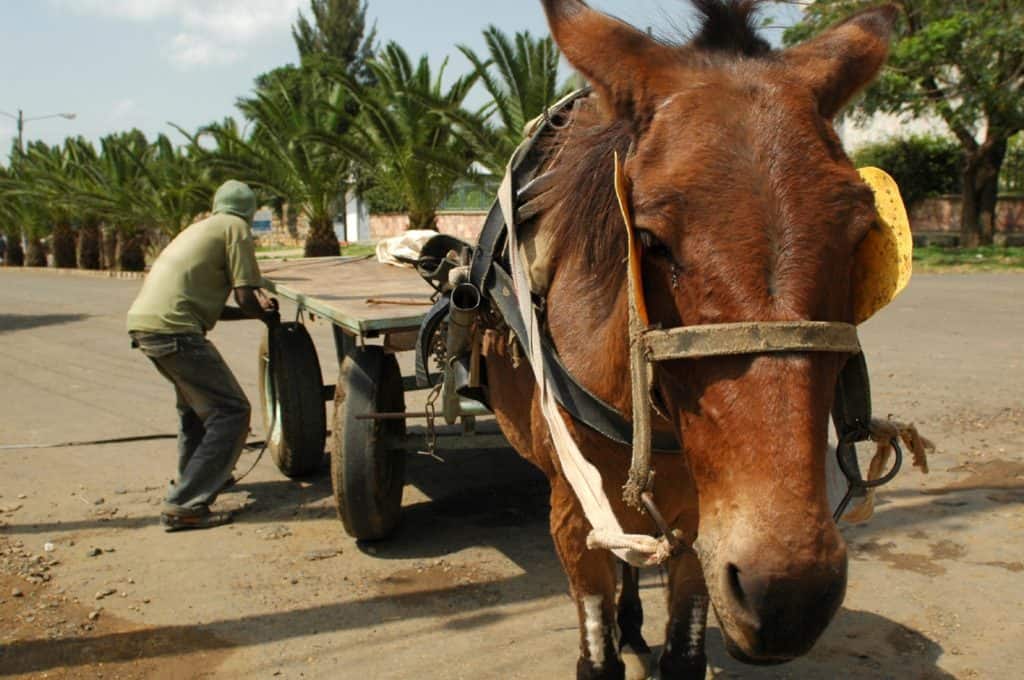
Trips to provide health care for working equids are beneficial but are not without unique organizational challenges.

Horses treated with regenerative therapy healed eight-and-a-half months faster than those undergoing surgery alone.

Recaps of studies on colic outcomes, treatments for joint problems, respiratory surgery, and more.
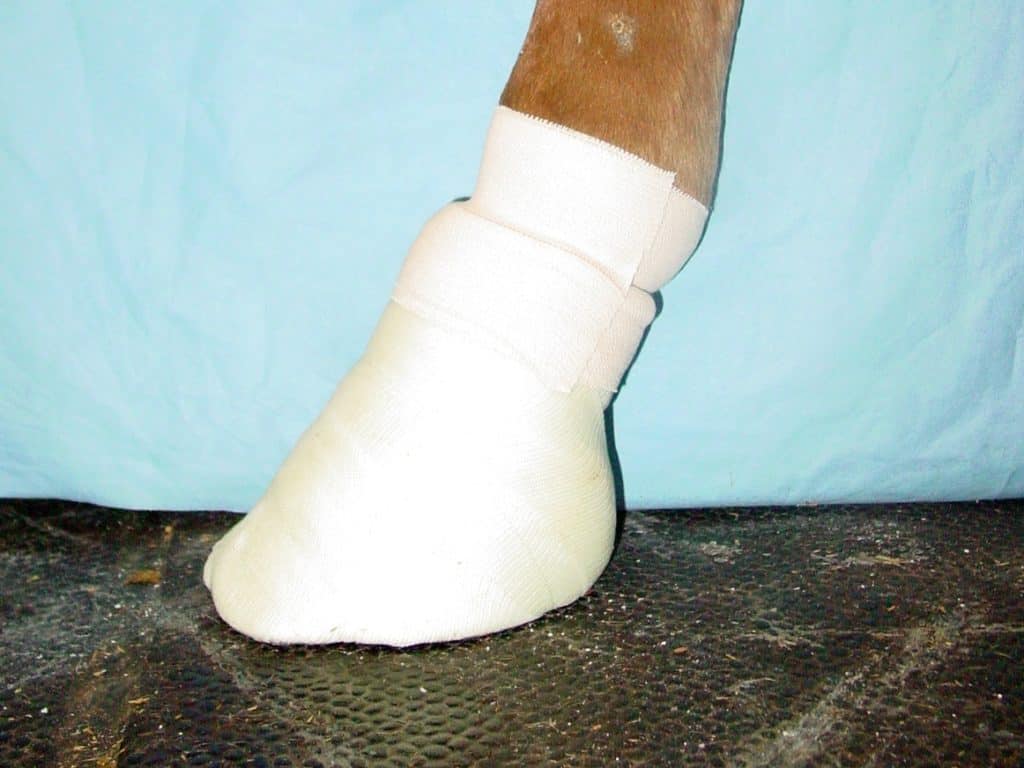
Hoof casts immobilize joints, maintain the hoof-pastern axis, reduce the need for frequent bandage changes, and more.

A recap of studies on topics ranging from prostaglandin treatment of mares to semen quality in stallions.
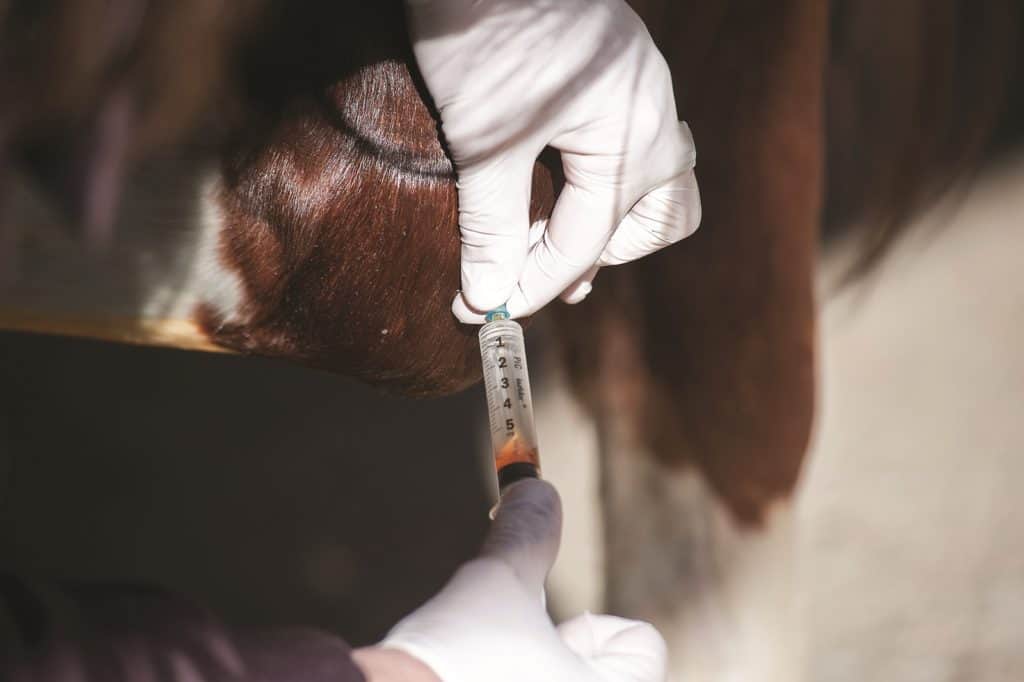
Using one stall-side SAA test to evaluate synovial fluids can be a useful adjunct to diagnosis, researchers found.

Learn about colic, joint health, nutrition, and more from our 2015 World Equine Veterinary Association Congress coverage.

An ever-present threat to equine industries worldwide, presented by University of Kentucky’s Dr. Peter Timoney.

While it’s not yet commercially available, vets recently constructed and tested a CPAP machine for equine neonates.