Veterinary Students Receive Scholarships at AAEP Convention
Eight students committed to careers in equine medicine received $2,500 scholarships from the AAEP Foundation and Markel.

Eight students committed to careers in equine medicine received $2,500 scholarships from the AAEP Foundation and Markel.

Tweets from the Kester News Hour and sessions on wound management, neonatal care, rehabilitation, and more.

Top tweets and take-homes from the equine podiatry workshop and more at the 2015 AAEP Convention.

Day 1: Our regular veterinary contributor shares her game plan for getting the most out of the 2015 AAEP Convention.

Longer light exposure appears to have numerous effects, from prompting coat shedding to increasing bone mineral density.

Get an insider’s look at the world’s largest gathering of equine veterinarians.
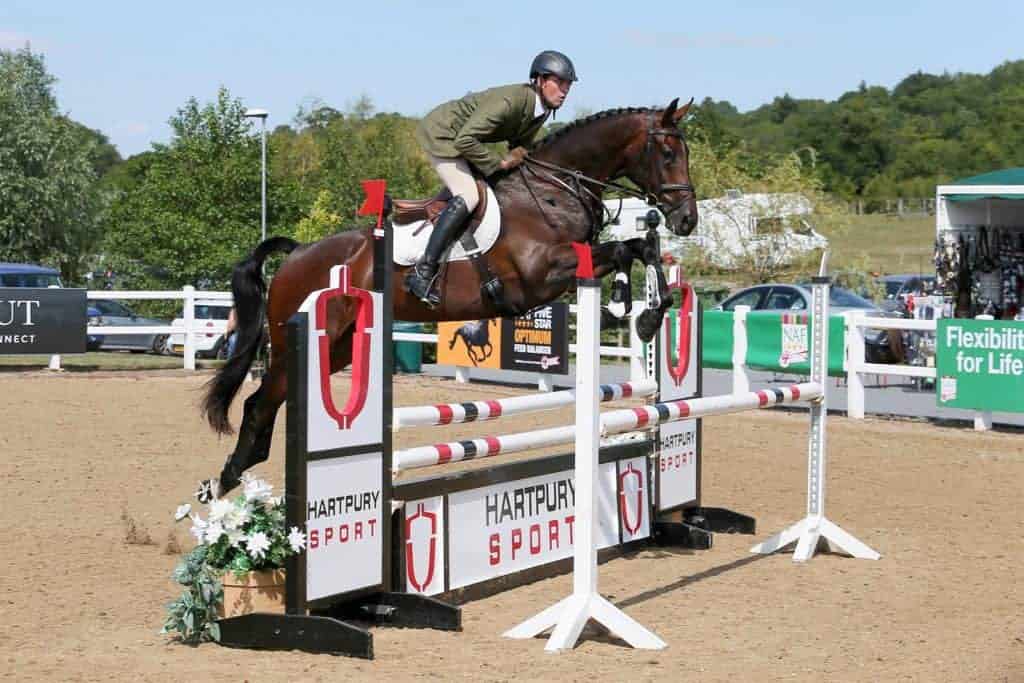
Knowing if sleep patterns affect performance could prompt interest in sleep as an important horse management factor.
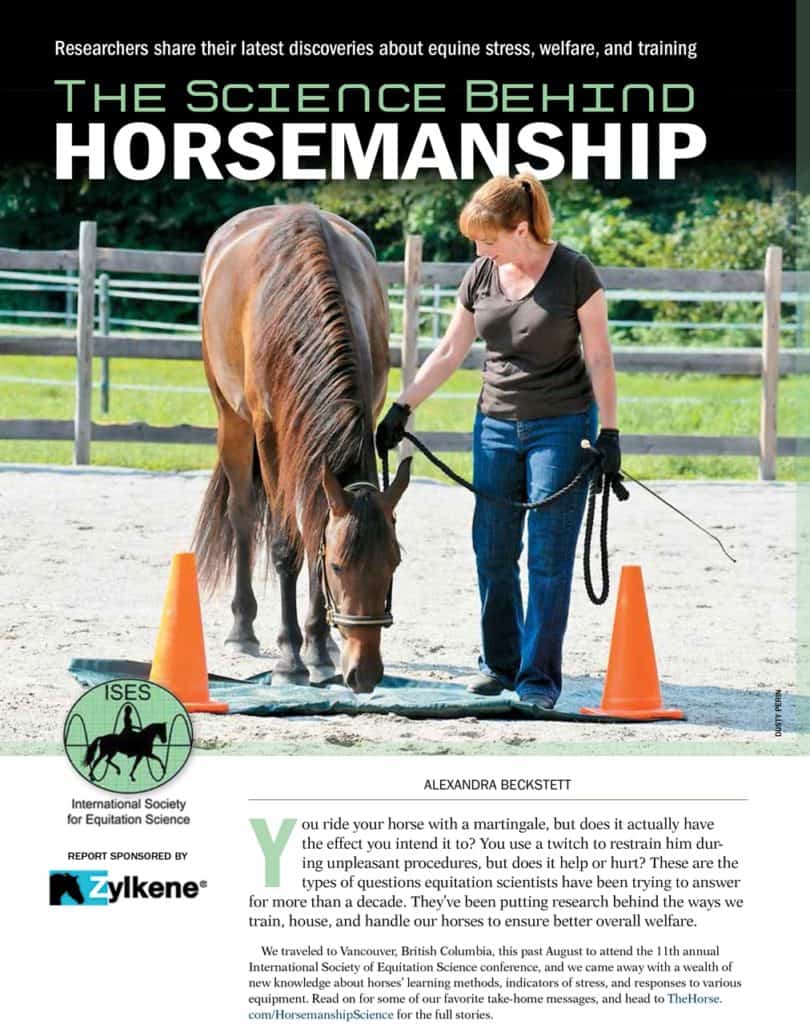
Read our in-depth coverage of the 2015 International Society of Equitation Science conference, where researchers shared their latest discoveries about equine stress, welfare, and training.

Improved diagnostics and more promising treatments are putting many foot-sore horses back to work.

Beginning treatment during the acute phase helps give the horse the best chance of recovery. Here’s what to know.

Learn about the steps vets and stallion managers can take to help improve the quality of cooled and frozen semen.

Adding supplementary fibrolytic enzymes to horses’ diets could help maximize digestibility and nutrient utilization.

Understanding which factors hinder sperm production can help managers and vets take steps to help improve fertility.
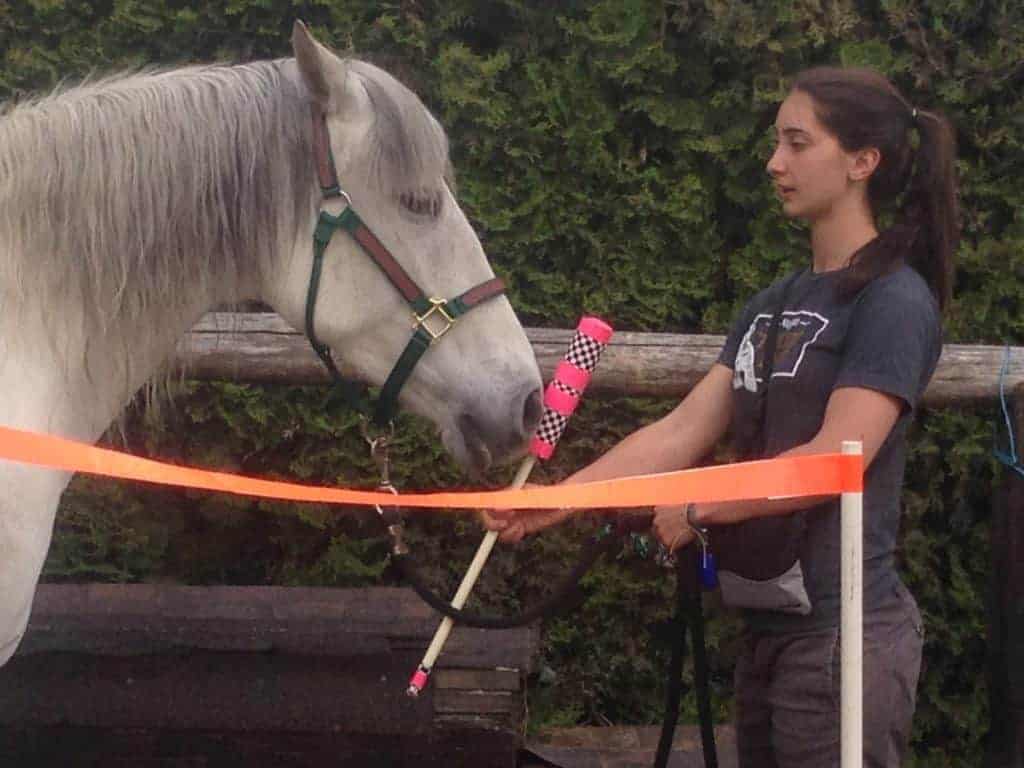
Researchers found no differences in horses’ stress levels in high-stress situations before and after training.

Penn Vet researchers recently examined different methods for diagnosing strangles.

Scientists found that two blood tests were able to distinguish between healthy horses and those with myocardial disease.